

Complete Guide to Customizable Plastics for Automotive Interiors | Materials & Welding

The Ultimate Guide to Customizable Plastics for Automotive Interiors: Materials, Joining Technologies, and Advanced Manufacturing Solutions
Modern automotive interiors represent a complex balance of aesthetics, functionality, durability, and sustainability. At the heart of this evolution are customizable plastics---thermoplastics engineered to meet precise requirements for appearance, performance, and manufacturing efficiency. From soft-touch dashboard surfaces to lightweight door panels with integrated acoustic properties, these materials enable designers to create interiors that enhance user experience while meeting stringent automotive standards.
However, achieving these sophisticated interior systems presents significant engineering challenges. Material selection must balance conflicting demands: lightweighting for fuel efficiency versus structural integrity, cost-effective production versus premium aesthetics, and sustainable material sourcing versus long-term durability. Furthermore, the joining technologies used to assemble these components directly impact quality, appearance, and longevity.
This comprehensive guide provides automotive engineers, designers, and manufacturing professionals with actionable insights for selecting, processing, and joining customizable plastics for interior applications. We explore material properties, compare joining technologies, provide decision frameworks, and examine advanced solutions for complex manufacturing challenges.
1. Understanding Customizable Plastics in Automotive Interiors
Material Fundamentals: Beyond Basic Polymers
Customizable plastics in automotive interiors extend beyond commodity resins to include engineered materials with specific performance characteristics:
- Polypropylene (PP) and PP Compounds: The workhorse of automotive interiors, offering excellent chemical resistance, low density (0.9-0.95 g/cm³), and cost-effectiveness. Modified versions include talc-filled PP for improved stiffness and low-shrinkage grades for dimensional stability in large panels.
- Acrylonitrile Butadiene Styrene (ABS): Valued for its superior surface finish, high gloss potential, and good impact resistance. Often used for visible components like instrument panels, center consoles, and decorative trim.
- Polycarbonate (PC) and PC/ABS Blends: Provide exceptional impact strength and thermal resistance, making them ideal for applications requiring both durability and aesthetic appeal. PC/ABS blends balance the heat resistance of PC with the processability of ABS.
- Thermoplastic Polyolefins (TPO) and Thermoplastic Polyurethanes (TPU): Used for soft-touch surfaces, flexible components, and areas requiring enhanced haptic feedback. These materials offer excellent compression set resistance and can be formulated for specific hardness ranges (typically 60-90 Shore A).
- Advanced Composites: Glass-fiber reinforced plastics (GFRP), natural fiber composites, and bio-based polymers that address sustainability goals while maintaining mechanical performance.
Customization extends beyond material selection to include:
- Color and Pigmentation: Integration of colorants directly into the polymer matrix for consistent coloration throughout the material thickness
- Surface Texture: Molded-in grain patterns ranging from fine leather-like textures to coarse technical finishes
- Functional Additives: UV stabilizers, flame retardants, anti-static agents, and antimicrobial compounds incorporated during compounding
- Multi-Material Integration: Co-molding of different plastics or integration with fabrics, foams, and decorative films
Key Interior Components and Material Requirements
Different interior components demand specific material characteristics:
| Component | Primary Requirements | Common Material Solutions | Critical Considerations |
|---|---|---|---|
| Instrument Panel/Dashboard | Dimensional stability, scratch resistance, UV stability, gloss control | ABS, PC/ABS, modified PP | Thermal expansion management, elimination of sink marks, Class-A surface requirements |
| Door Panels and Trim | Impact resistance, acoustic damping, integration with mounting features | PP compounds, TPO, natural fiber composites | Warpage control during assembly, compatibility with attachment methods, weight optimization |
| Center Console | Wear resistance, aesthetic appeal, integration with electronic components | ABS, PC/ABS, high-gloss PP | Surface finish consistency, resistance to cleaning chemicals, EMI shielding requirements |
| Pillar and Header Trim | Weight minimization, airbag deployment compatibility | Low-density PP, structural foam composites | Controlled tear patterns for airbag deployment, secure attachment to vehicle structure |
| Seating Components | Durability, comfort, stain resistance | Reinforced PP, TPU, advanced composites | Long-term fatigue resistance, compatibility with cushioning materials, flame retardancy |
Emerging Trends: Sustainability and Smart Materials
The automotive interior landscape is evolving rapidly, driven by regulatory pressures and consumer expectations:
- Sustainable Material Integration: Post-consumer recycled (PCR) content targets of 25-30% by weight are becoming standard for interior components. Bio-based plastics derived from renewable sources (castor oil, cellulose) offer carbon footprint reductions of 40-60% compared to petroleum-based alternatives.
- Lightweighting Imperatives: Every 10% reduction in vehicle weight translates to approximately 6-8% improvement in fuel efficiency. Advanced composites and foaming technologies enable weight reductions of 15-25% for interior components without compromising performance.
- Integrated Functionality: Plastics with inherent conductive properties enable integration of touch controls, heating elements, and lighting without separate components. In-mold electronics (IME) technology allows seamless integration of capacitive switches and displays.
- Enhanced User Experience: Materials engineered for specific haptic responses, acoustic damping (3-5 dB reduction in cabin noise), and thermal management contribute to premium interior experiences.
2. Joining Technologies for Automotive Interior Plastics
The Role of Welding in Interior Assembly
Welding offers significant advantages over mechanical fastening and adhesive bonding for plastic interior components:
- Structural Integrity: Properly executed welds achieve 80-95% of base material strength
- Aesthetic Quality: Eliminates visible fasteners and adhesive lines for seamless appearance
- Process Efficiency: Cycle times typically range from 1-30 seconds depending on method
- Material Compatibility: Maintains chemical resistance and other material properties at joints
- Cost Effectiveness: Eliminates consumables (adhesives, fasteners) and reduces part count
Comparative Analysis of Plastic Welding Methods
| Method | Working Principle | Optimal Applications | Key Advantages | Limitations | Cycle Time | Equipment Cost |
|---|---|---|---|---|---|---|
| Ultrasonic Welding | High-frequency (15-40 kHz) vibrations create frictional heat | Small to medium components: switch panels, sensor housings, connectors | Very fast (< 2 sec), minimal flash, excellent for automation | Limited to thermoplastics, part size constraints, requires energy director design | 0.5-3 seconds | Medium |
| Vibration Welding | Linear oscillation (100-250 Hz) generates interfacial friction | Large components: instrument panels, door panels, console assemblies | Excellent for large areas, handles complex geometries, strong hermetic seals | Higher equipment cost, more flash generation, larger footprint | 5-20 seconds | High |
| Hot Plate Welding | Contact with heated tool followed by joining under pressure | Complex 3D components: ducting, fluid reservoirs, multi-plane assemblies | Excellent for dissimilar materials, handles thick sections, no vibration marks | Slower cycle times, tool maintenance, visible weld bead | 10-60 seconds | Medium |
| Infrared/Laser Welding | Radiant energy absorption at joint interface | Clear components, decorated surfaces, medical-grade assemblies | Non-contact, excellent for delicate components, minimal particulate generation | Higher capital cost, material transparency requirements | 2-15 seconds | High |
| Spin Welding | Rotational friction between components | Circular components: knobs, caps, cylindrical housings | Simple equipment, excellent for circular joints, high strength | Limited to rotational symmetry, alignment critical | 2-10 seconds | Low-Medium |
Technology Selection Criteria
The optimal welding method depends on multiple factors:
- Material Compatibility: Some methods work better with specific polymers (ultrasonic for amorphous plastics, vibration for semi-crystalline materials)
- Joint Design: Accessibility, geometry, and size constraints influence method suitability
- Production Volume: High-volume applications (>100,000 units/year) favor faster, more automated processes
- Quality Requirements: Aesthetic standards, strength specifications, and regulatory compliance dictate process controls
- Economic Factors: Equipment investment, operating costs, and maintenance requirements impact total cost of ownership
Industry data indicates that 30% of welding-related quality issues originate from method misapplication rather than process parameter errors.
3. Advanced Welding Solutions for Complex Interior Applications
Overcoming Standard Method Limitations
While standard welding methods address most applications, complex interior designs present unique challenges:
- Multi-Material Assemblies: Joining dissimilar materials (plastics to fabrics, plastics to composites) with different thermal properties and melting behaviors
- 3D Contoured Surfaces: Maintaining consistent pressure and energy delivery across complex curvatures, particularly for Class-A surfaces
- Integrated Electronics: Welding near or around embedded sensors, connectors, and circuitry without damaging sensitive components
- Sustainable Material Challenges: Processing recycled content materials with variable melt flow characteristics and potential contamination
- High-Volume Production Demands: Achieving consistent quality at rates exceeding 60 parts per hour with near-zero defect targets
Engineered Welding Systems for Automotive Interiors
Advanced welding solutions incorporate several key technologies to address these challenges:
- Adaptive Process Control
- Real-time monitoring of weld parameters (energy, time, distance, pressure)
- Closed-loop adjustment based on material batch variations and environmental conditions
- Predictive maintenance algorithms that identify tool wear before quality is affected
- Robotic Integration
- Multi-axis robotic positioning for complex joint paths
- Force-controlled end effectors that maintain consistent pressure across contoured surfaces
- Vision systems for pre-weld alignment verification and post-weld inspection
- Custom Tooling Design
- Finite Element Analysis (FEA) optimized horn designs for uniform energy distribution
- Multi-zone temperature control for hot plate welding of dissimilar materials
- Specialized fixtures that accommodate part variation while maintaining alignment
- Quality Assurance Integration
- In-process monitoring with statistical process control (SPC) limits
- Non-destructive testing methods (ultrasonic inspection, leak testing) integrated into production flow
- Complete digital traceability with weld parameter logging for each component
Case Study: Premium Instrument Panel Assembly
Challenge: A luxury vehicle manufacturer required joining a multi-material instrument panel consisting of:
- ABS substrate with molded-in mounting features
- PC/ABS decorative surface with integrated wood grain film
- Soft-touch TPO sections for enhanced haptic experience
- Metal inserts for structural reinforcement
Traditional welding methods produced visible lines, inconsistent bond strength, and thermal damage to decorative surfaces.
Engineered Solution: A hybrid welding approach incorporating:
- Infrared pre-heating of joint areas to reduce thermal stress
- Servo-controlled hot plate welding with multi-zone temperature control
- Real-time pressure profiling based on material thickness variations
- Integrated cooling system to minimize cycle time while preventing warpage
Results:
- Bond strength increased by 40% compared to standard methods
- Surface quality achieved Class-A standards with no visible joint lines
- Cycle time reduced by 25% through optimized heating and cooling profiles
- Process capability (Cpk) of 2.1 achieved, exceeding automotive quality requirements
- First-pass yield improved from 87% to 99.5%, eliminating rework operations
This approach demonstrates how engineered solutions can transform welding from a production constraint to a value-added process that enables innovative interior designs.

4. Decision Framework: From Concept to Production
Phase 1: Requirements Definition and Material Selection
- Functional Requirements Analysis
- Structural load requirements (static and dynamic)
- Environmental exposure (temperature, humidity, UV, chemicals)
- Acoustic and thermal performance targets
- Regulatory compliance (flammability, fogging, VOC emissions)
- Service life expectations and warranty requirements
- Aesthetic and Ergonomic Specifications
- Surface finish requirements (gloss, texture, color matching)
- Haptic feedback preferences (softness, resilience, temperature feel)
- Integration with lighting, displays, and control interfaces
- Brand-specific design language implementation
- Manufacturing and Economic Constraints
- Production volume and rate requirements
- Available capital investment for tooling and equipment
- Target component cost and total cost of ownership
- Factory floor space and utilities limitations
- Skilled labor availability and training requirements
Phase 2: Joining Method Evaluation and Selection
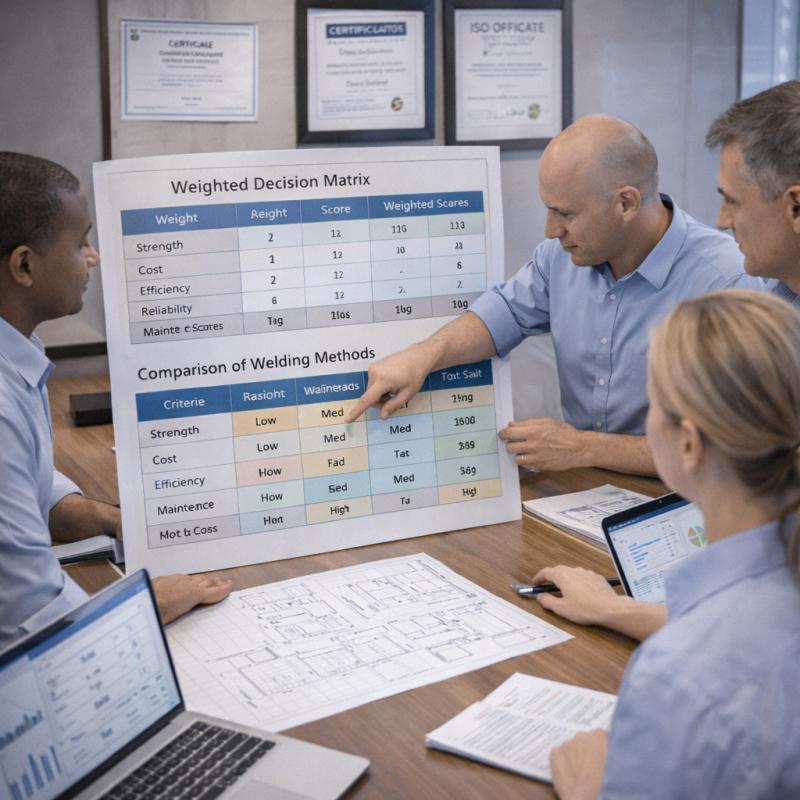
Utilize a weighted decision matrix to objectively compare joining options:
| Evaluation Criteria | Weight | Ultrasonic Welding | Vibration Welding | Hot Plate Welding | Adhesive Bonding |
|---|---|---|---|---|---|
| Joint Strength | 25% | 8 | 9 | 9 | 6 |
| Aesthetic Quality | 20% | 9 | 8 | 7 | 5 |
| Process Speed | 15% | 9 | 7 | 5 | 3 |
| Equipment Cost | 15% | 7 | 5 | 6 | 9 |
| Material Flexibility | 10% | 6 | 8 | 9 | 10 |
| Automation Potential | 10% | 9 | 8 | 7 | 4 |
| Environmental Impact | 5% | 8 | 7 | 8 | 4 |
| Weighted Score | 100% | 8.1 | 7.7 | 7.3 | 5.6 |
*Scoring: 1-10 scale, with 10 representing optimal performance*
Phase 3: Process Development and Validation
- Design for Manufacturing (DFM) Review
- Joint design optimization for selected welding method
- Energy director design (ultrasonic) or shear joint design (vibration)
- Draft angles, wall thickness uniformity, and rib placement
- Gate location analysis to minimize weld line effects
- Prototype Tooling and Process Development
- Rapid tooling for design validation
- Design of Experiments (DOE) to establish robust process windows
- Material compatibility testing with production-equivalent samples
- Failure mode analysis and design refinements
- Production Tooling and Process Validation
- Production tool fabrication with appropriate steel grades and coatings
- Process capability studies (Cpk ≥ 1.67 typically required)
- Environmental stress testing (thermal cycling, humidity, vibration)
- Long-term durability testing simulating 10+ years of service
Phase 4: Production Implementation and Continuous Improvement
- Operator training and certification programs
- Statistical process control implementation with real-time monitoring
- Preventive maintenance schedules and spare parts management
- Regular process audits and capability re-verification
- Technology watch for emerging joining methods and material innovations
5. Addressing Key Challenges in Automotive Interior Welding
Sustainable Material Processing
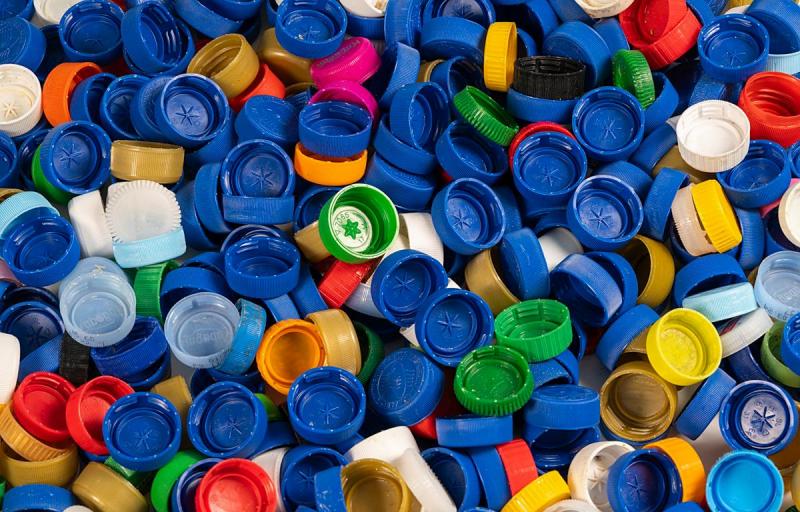
The increasing use of recycled content and bio-based materials presents specific welding challenges:
- Material Consistency: PCR materials exhibit greater batch-to-batch variation in melt flow, requiring adaptive process control
- Contaminant Management: Potential contaminants in recycled streams can create weak points in welded joints
- Processing Temperature Optimization: Bio-based polymers often have different thermal characteristics than petroleum-based equivalents
Solutions: Implement material testing protocols for each batch, utilize welding processes with wider processing windows (hot plate welding), and develop material-specific parameter sets validated through extensive testing.
Lightweight Design Considerations
Weight reduction strategies impact welding process selection and execution:
- Thin-Wall Design: Components with wall thicknesses below 2.0mm require precise energy control to prevent burn-through
- Foam-Core Structures: Sandwich constructions demand specialized welding approaches that bond surface layers without collapsing the core
- Hybrid Material Systems: Combining plastics with metals or composites requires joining methods that accommodate different thermal expansion coefficients
Solutions: Utilize welding methods with precise energy delivery (laser welding), implement sequential welding processes for complex structures, and employ FEA simulation to predict and mitigate thermal distortion.
Aesthetic Requirements and Class-A Surfaces
Premium interiors demand flawless surface quality:
- Visible Joint Lines: Traditional welding methods often leave witness marks unacceptable for visible surfaces
- Gloss Matching: Different materials and processing conditions can create gloss variations at weld joints
- Texture Continuity: Maintaining consistent grain pattern across welded joints presents significant challenges
Solutions: Employ non-marking welding methods (infrared welding), implement in-mold decoration that survives the welding process, and utilize robotic path programming that optimizes tool approach angles to minimize surface contact.
Regulatory Compliance and Quality Assurance
Automotive interior components must meet stringent regulatory requirements:
- Flammability Standards: FMVSS 302 and equivalent global standards dictate material selection and joint design
- Fogging Requirements: Interior materials must not release volatile compounds that cloud windows or create odors
- Emissions Compliance: VOC emissions from materials and processes must meet increasingly strict limits
- Quality Documentation: Complete traceability of materials, processes, and inspections is mandatory
Solutions: Implement material certification protocols, conduct pre-production compliance testing, establish comprehensive quality management systems (IATF 16949), and maintain complete digital records for each production batch.
6. FAQ: Common Questions on Automotive Plastics
Here, we tackle frequent queries from pros like you. These draw on our expertise to clarify choices and spark ideas.
What Are the Best Materials for Durability?
ABS and PC stand out for high impact resistance. Welding boosts bonds to last 10+ years, per our tests. For EVs, pair with vibration methods for extra strength.
How Does Welding Improve Aesthetics?
Ultrasonic creates seamless joins, hiding seams in panels and trim. It avoids marks on glossy surfaces, enhancing appeal without extras.
What Sustainable Materials Are Trending for Automotive Interiors in 2026?
PCR and bio-composites lead, cutting emissions. Our welding adapts to them, supporting recycling while maintaining durability---ideal for eco-goals.
How Do Customizable Plastics Reduce Vehicle Weight?
Lightweight PP trims fuel use by 10%. For limousines, composites like these slash mass without losing strength, per industry reports.
What Are the Challenges in Plastic Welding for Cars?
Warping from heat is common. Mitigate with precise controls like AFT---adjust frequency 20-35 kHz for even results.
How to Choose Between Ultrasonic and Hot Plate Welding?
Ultrasonic for speed on small parts; hot plate for large ones. Compare via our guide: check cycle times and costs.
How Does Wall Thickness Affect Ultrasonic Welding Parameters?
Thicker walls (over 2mm) need higher energy (300-600 J). Thin ones risk burns---use lower pressure (0.2 MPa) for balance, as our tests show.
What Key Maintenance for Vibration Welding Machines Ensures Quality?
Regular checks: Horn wear, alignment, and calibration per IATF 16949. Clean daily; test monthly for consistent bonds.
Can You Weld Recycled Plastics to Virgin Materials? What Adjustments?
Yes, but match MFI (10-20 g/10min range). Adjust energy up 15% for consistency---our custom setups handle this seamlessly.
What to Look for in a Welding Supplier for IATF 16949 Compliance?
Seek SPC monitoring, case studies, and certifications. We offer full traceability---request our audit checklist for details.

Conclusion: Next Steps for Your Project
You've now gained a clear view of customizable plastics in automotive interiors---from material basics and welding science to comparisons, decision tools, and custom fixes. This guide equips you to tackle challenges like sustainability and durability head-on.
By now, you should have:
- A solid grasp of material-welding interactions for reliable designs.
- An objective framework to compare technologies and select the best fit.
- Insights into solving non-standard issues with tailored solutions.
If you're in research mode, revisit our comparison table and decision steps. For ready specs, check our standard ultrasonic or vibration welders. Facing complex designs? Our team can review your details for a free technical assessment.
At Dizo Sonics, we partner with automotive leaders to fuse innovation, quality, and efficiency into every interior component. Let's discuss your project.
More Reading
- Automotive Intelligent Manufacturing Guide: Precision Welding for EVs 2025
- Automotive Plastic Welding Guide: DIY & Professional Solutions
- Plastic Welding Guide for Automotive Interiors: Durable, Flawless Assembly
- Top Automobile Manufacturing Companies in 2025
- Automotive Robotic Ultrasonic Welding: Precision & Performance
- Automotive Plastic Parts: Types, Benefits, and Future Trends
- Expert Guide to Ultrasonic Plastic Welding for Automotive Interiors | Dizo Sonics