



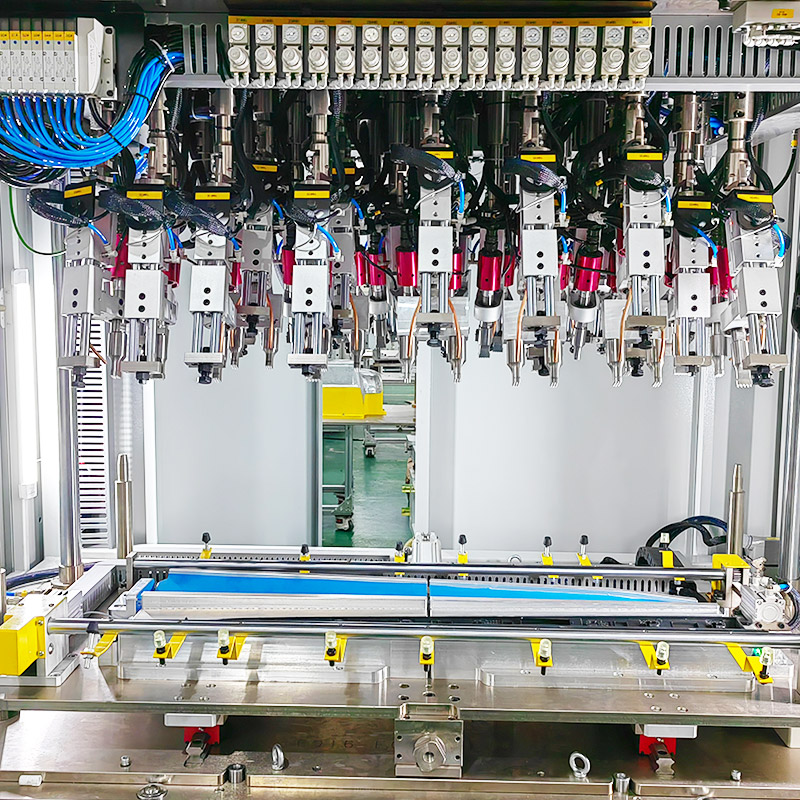
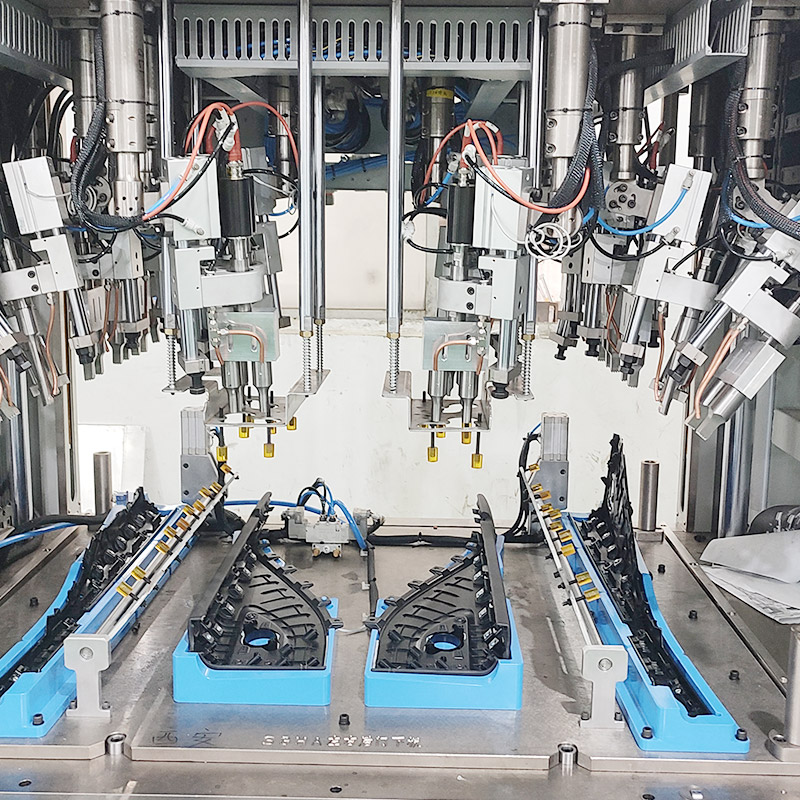
Custom Auto Exterior Multi-head Ultrasonic Welding Machine
● Intelligent Workpiece Verification:
Multi-head ultrasonic welders feature CMOS sensors (0.05mm accuracy) with PLC logic detect misalignment in 15ms, triggering alarms and stopping production to prevent defective welds.
● Adjustable Welding Units:
Each welding unit incorporates a buffer stop mechanism and 360° positioning system, enabling operators to precisely calibrate voltage (20-40kHz), pressure (50-500N), and timing (0.1-5s) parameters for optimal material-specific performance across varying thicknesses (0.5-10mm).
● Monolithic System Architecture:
Rigid single-frame design minimizes vibrations (<0.01mm displacement), maximizes energy efficiency (95%+), and maintains stable temperatures (±1°C), supporting reliable 24/7 production.
● Precision Articulating Heads:
Servo-controlled welding heads provide ±0.25° angular adjustment with real-time force feedback, guaranteeing uniform energy coupling across complex 3D contours and multi-plane components.
● Adaptive Process Optimization:
AI-driven amplitude modulation maintains ±2% frequency stability during high-speed operation (up to 12 cycles/minute), achieving peel strengths exceeding 40N/mm² while preventing flash formation on Class-A surfaces.
Request Your Free Welding Test & Proposal- Description |
- Advantages |
- Technology |
- Appilications |
- Customer Reviews/ Related Products
What Is a Multi-head Ultrasonic Welding Machine?
Modern multi-head ultrasonic welding systems use high-frequency vibrations (20-40kHz) to create frictional heat at plastic interfaces, forming molecular-level bonds with tensile strengths exceeding 50N/mm². This clean, energy-efficient process (consuming 40% less power than thermal alternatives) produces zero VOCs and achieves cycle times as fast as 0.5 seconds, aligning with sustainable automotive production requirements under ISO 14001 standards.
Specifically engineered for large, complex automotive components, these multi-head systems simultaneously process 4-8 weld points on challenging geometries like bumper assemblies, full-size door panels, and multi-curve lighting housings - overcoming traditional welding limitations through synchronized, computer-controlled actuation (±0.1mm repeatability). The simultaneous multi-point welding capability increases throughput by 60% compared to single-head systems while maintaining consistent weld quality across all points (tested to SAE J1488 vibration standards).
The technology's adaptability stems from its quick-change welding head system (90-second changeover) and AI-driven parameter optimization, enabling seamless transitions between applications - from delicate electronic housings to structural underbody components. With IoT-enabled real-time monitoring of 15+ process variables and self-adjusting amplitude control (±2% stability), these systems have become indispensable for automotive Tier 1 suppliers manufacturing next-generation EV battery enclosures, ADAS sensor arrays, and lightweight interior modules requiring micron-level precision.
Request Industry-Specific Case StudiesWhy Choose Dizo Custom Machine

Custom Solutions
Tailored solutions customized to your specific needs, backed by a team of 21 engineers ready to assist you anytime.

Save Your Time
Full project oversight - from initial requirements to final delivery - ensuring maximum efficiency and time savings.

Guaranteed Quality Assurance
Compliance with ISO standards ensures consistent and reliable quality throughout the process.

Professional Service Team
Our professional 20-member service team ensures seamless plastic welding machine installation and complete customer satisfaction.
Get Transparent Pricing & Custom Solutions for Your Production Needs
Every automated welding system we build delivers rapid ROI through three core advantages: ✓ Precision Engineering (±0.1mm repeatability ensuring consistent weld quality across all production runs), ✓ Customized Integration (tailored tooling, automation interfaces, and material-specific parameters), and ✓ Production-Ready Performance (cycle times 80% faster than manual welding processes)
"24/7 Technical Support | Price Match Guarantee | Onsite Installation | ISO 9001 Certified"
Request Your Custom Quote
Multi-head Ultrasonic Welding Techniques in the Automotive Industry
Ultrasonic welding has emerged as a critical joining technology in modern automotive manufacturing, utilizing high-frequency vibrations (20-40kHz) to create precise, high-strength bonds between thermoplastic components. This process generates localized frictional heat at the joint interface, achieving tensile strengths of 50-70N/mm² while maintaining dimensional accuracy within ±0.1mm - essential for today's lightweight vehicle designs. The technology's rapid cycle times (as fast as 0.3 seconds), energy efficiency (30% savings versus thermal welding), and clean operation (zero VOC emissions) make it particularly valuable for EV battery housings, ADAS sensor mounts, and interior trim assemblies that must withstand rigorous vibration testing (SAE J1488 compliant).
The automotive industry leverages ultrasonic welding across three key application areas: structural components like bumper reinforcements requiring impact-resistant joints, e-mobility solutions demanding IP67-rated hermetic seals for battery systems, and precision assemblies for advanced driver assistance systems where micron-level alignment is critical. Modern systems incorporate adaptive control algorithms that automatically adjust parameters for dissimilar material combinations, while integrated quality monitoring verifies 100% of welds in real-time. This combination of versatility and reliability has made ultrasonic welding indispensable for both conventional and electric vehicle production.
With the integration of Industry 4.0 capabilities, ultrasonic welding systems now offer predictive maintenance through IoT connectivity and AI-driven process optimization. These advancements, coupled with the technology's inherent sustainability benefits - including 40% reduced energy consumption and compatibility with recycled materials - position ultrasonic welding as a future-proof solution for next-generation automotive manufacturing. As vehicle architectures continue evolving toward multi-material designs and smarter production processes, ultrasonic welding techniques are expected to play an expanding role in meeting the industry's demanding quality, efficiency, and environmental standards.
Schedule a Technical Consultation + Free Application Analysis
Other Ultrasonic Plastic Welding Applications
With continuous improvements in joining dissimilar materials and smart factory integration, ultrasonic welding is poised to revolutionize production across even more industries, from consumer goods to industrial equipment manufacturing.

Medical Device Industry
In medical device production, this technology creates hermetic seals for surgical instruments, IV components, and implantable devices that meet ISO 13485 standards. The particulate-free process maintains sterility, essential for Class II and III devices contacting tissues or bloodstream where contaminants could cause adverse reactions.

Consumer Electronics Industry
Electronics manufacturers use ultrasonic welding for smartphones, wearables, and microelectronics for its precision. It joins materials without heat damage, maintaining ±0.05mm tolerances and preserving sensitive components and electrical conductivity—essential for high-density circuit boards requiring both structural integrity and functionality.

Home Appliance Industry
Appliance manufacturers use this process for watertight seals in dishwashers, washing machines, and refrigerator systems, creating IP67-rated protection that endures thousands of cycles. Production lines deliver consistent quality with sub-3-second cycle times, meeting consumer demand while ensuring reliability.

Packaging Manufacturing Industry
Flexible packaging lines employ this technology for tamper-evident and sterile medical packaging, creating 25N/15mm+ peel strength seals at 200+ cycles per minute. These seals maintain product integrity during distribution while complying with FDA and ISO 11607 standards. Precision controls ensure consistent quality across varying materials and conditions.

New Energy Industry
In renewable energy systems, ultrasonic welding joins battery tabs and creates PV panel frames that withstand 20+ years of UV exposure. The technique maintains structural integrity through extreme temperatures (-40°C to 85°C) and forms moisture-proof seals that enhance energy efficiency and extend component lifespan.

Aerospace Industry
Aerospace joining technology integrates lightweight composites for cabin structures while meeting FAA requirements. This approach combines strength with weight reduction and safety compliance. The joints maintain integrity during flight while reducing aircraft weight by 15% compared to traditional fasteners, enhancing fuel efficiency and reducing emissions.
Customer Reviews
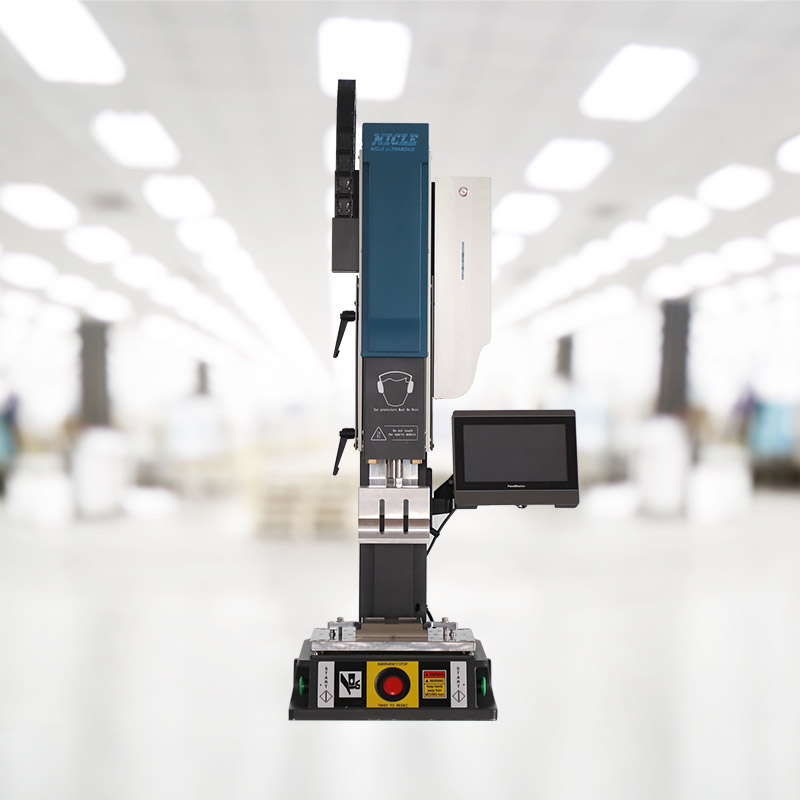
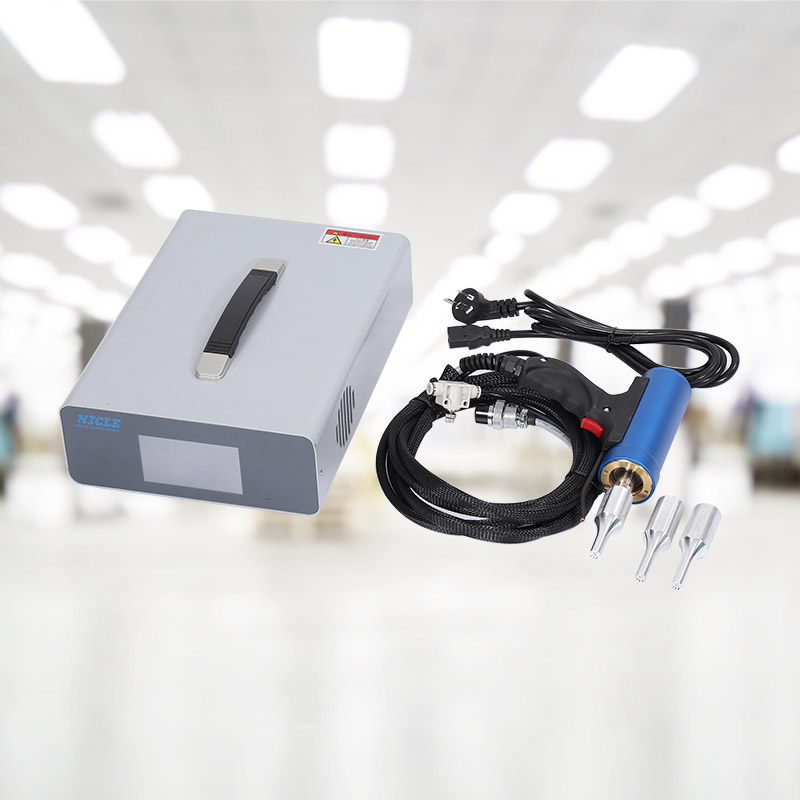
Related Products


Ready to Transform Your Plastic Welding Process?
Get Expert Guidance, Custom Solutions, and Competitive Pricing - All in One Place
-

Free Application Analysis
Not sure which technology fits your needs?
"Get a professional assessment of your materials, joint design, and production requirements." -

Expert Solution Consultation
Need technical guidance?
"Schedule a one-on-one consultation with our senior welding engineers." -

Custom Quotation
Ready for precise pricing?
"Receive a detailed proposal with specifications and delivery timeline."
Free Technical Consultation & Application Analysis
Leave Your Inquiry - Customized solutions for your specific applications
- Email: sales@dizo-global.com
- Whatsapp: +86 18121506765