

Tailored Precision, Industry-Specific Excellence
Custom Ultrasonic Welding Solutions
Our custom ultrasonic welding machines address unique production needs across medical, automotive, packaging, textile, and other sectors, offering end-to-end customization from design to production.
-
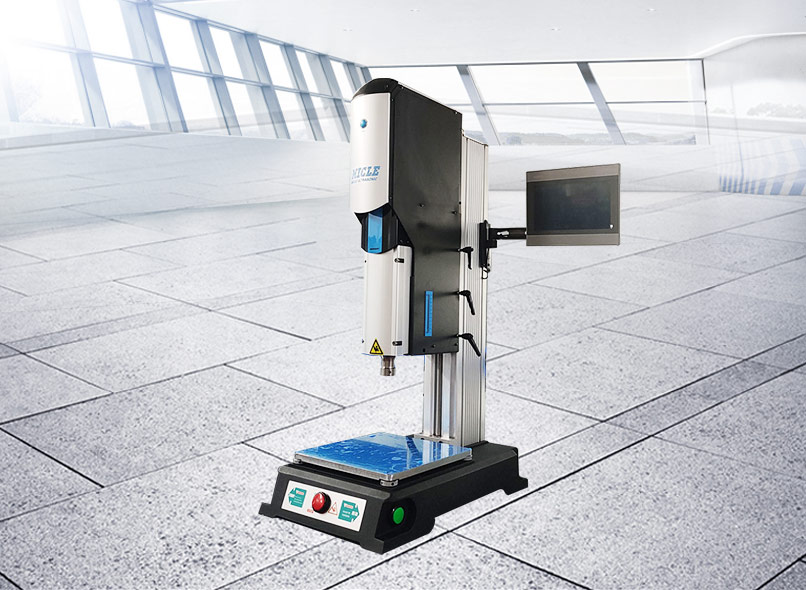
Servo Plastic Ultrasonic Welder
These servo-controlled plastic ultrasonic welding machines feature a precision servo control system that ensures consistent, high-accuracy welding results. Operating at 20 kHz and 35 kHz, they rank among the most advanced high-precision ultrasonic welders in China.
View More -
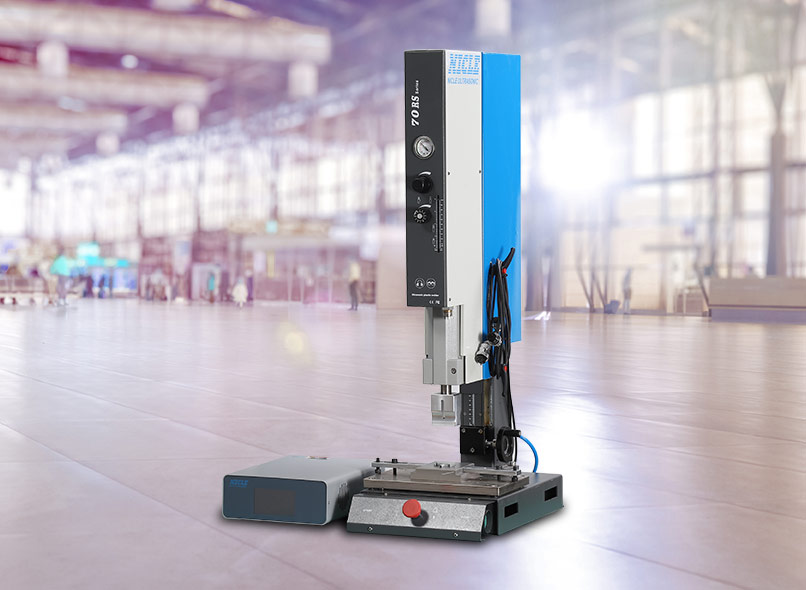
Pneumatic Plastic Ultrasonic Welder
These 15 kHz and 20 kHz pneumatic plastic ultrasonic welders are Dizo's entry-level plastic ultrasonic welding machines, known for their strong market demand. They are easy to operate, eco-friendly, and energy-efficient, thanks to their quick-response pneumatic ultrasonic welding system.
View More -
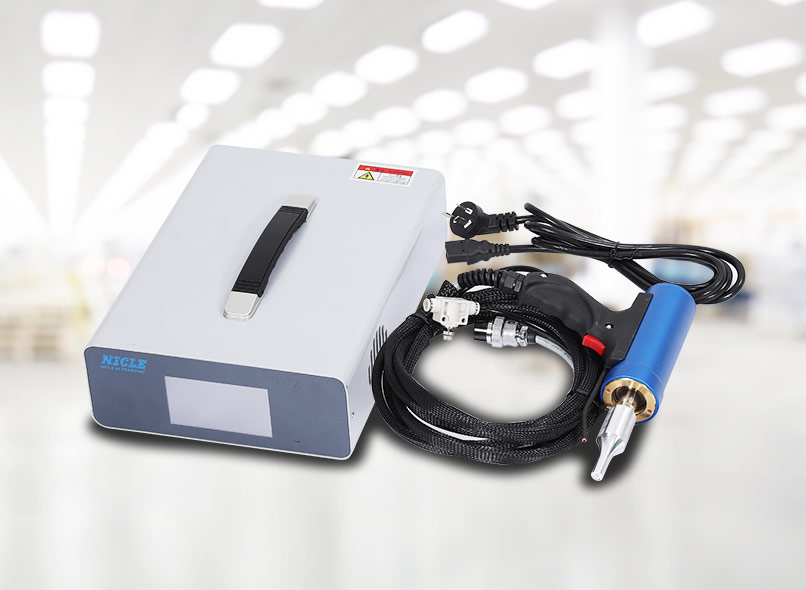
Handheld Ultrasonic Spot Welder
This 28 kHz/35 kHz portable plastic ultrasonic spot welder includes an ultrasonic generator, welding head, and transducer. It features low energy consumption, high efficiency, no deformation, pollution-free operation, strong weld integrity, and user-friendly controls.
View More -
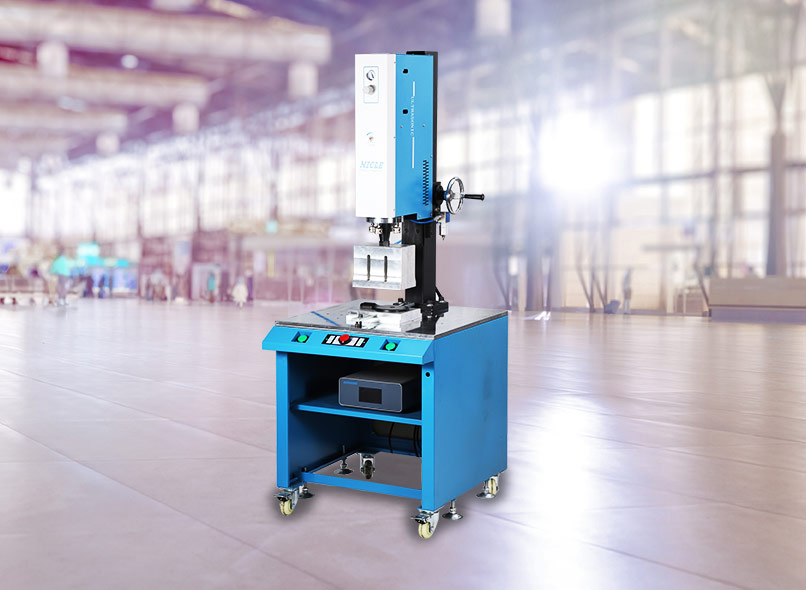
Desktop Ultrasonic Welder
The 15 kHz desktop plastic ultrasonic welder is particularly suitable for small-scale production. Models equipped with protective shields offer enhanced operational safety by effectively reducing noise levels, preventing material splatter, and ensuring better operator protection during the welding process.
View More
-

Auto Bumper Ultrasonic Welding & Punching Machine
Dizo Sonics's advanced Auto Bumper Ultrasonic Welding & Punching Machine integrates cutting-edge technology to deliver precision, efficiency, and sustainability in automotive bumper production.
View More -

Auto Interior Automatic Ultrasonic Welding Machine
Dizo’s automatic ultrasonic plastic welding machines utilize high-frequency vibrations (20-40kHz) to create precise, durable bonds between thermoplastic components through localized frictional heating.
View More -

Auto Exterior Multi-head Ultrasonic Welding Machine
Modern multi-head ultrasonic welding systems use high-frequency vibrations (20-40kHz) to create frictional heat at plastic interfaces, forming molecular-level bonds with tensile strengths exceeding 50N/mm².
View More -

Auto Robotic Ultrasonic Welding Workstation
Robotic ultrasonic welding systems deliver exceptional joining performance for complex automotive plastic assemblies through high-frequency (20-40kHz) vibrational energy transmission.
View More
Ultrasonic Welder Parameters
| Model | Frequency | Power | Input Voltage | Weight | Dimensions |
|---|---|---|---|---|---|
| DZ-2020E | 20 kHz | 2000 W | 220 V | 120 KGS | 70*80*130 CM |
| DZ-1526E | 15 kHz | 2600 W | 220 V | 120 KGS | 70*80*130 CM |
| DZ-1532E | 15 kHz | 3200 W | 220 V | 300 KGS | 80*100*220 CM |
| DZ-1542E | 15 kHz | 4200 W | 220 V | 350 KGS | 90*100*220 CM |
| DZ-3512F | 35 kHz | 1200 W | 220 V | 150 KGS | 70*50*140 CM |
| DZ-2020F | 20 kHz | 4000 W | 220 V | 150 KGS | 70*50*140 CM |
| DZ-3512E | 35 kHz | 1200 W | 220 V | 10 KGS | 45*35*20 CM |
| DZ-2808E | 28 kHz | 800 W | 220 V | 10 KGS | 45*35*20 CM |
| DZ-1555E | 15 kHz | 5500 W | 220 V | 400 KGS | 90*100*220 CM |
Ultrasonic Welding Industry Applications
Our ultrasonic plastic welding solutions bond parts of all sizes with high quality. We serve automotive, appliances, electronics, toys, medical, and textile industries, specializing in various thermoplastics including ABS, PS, PP, PA, PC, PE, PVC, PMMA, POM, and PPS.
Automotive
Dizo Sonics provide fast and efficient welding services for automotive components, including bumpers, lights, dashboards, door panels, center consoles, fuel tanks, coolant reservoirs, and wheel covers.
Request Industry Case Studies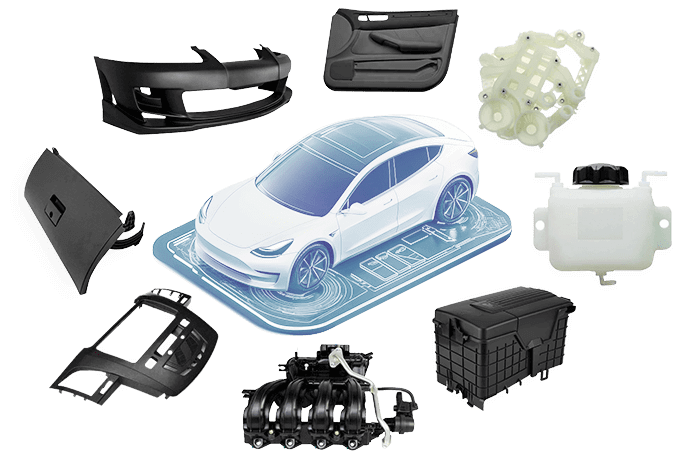
-
Home Appliances
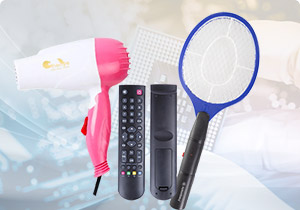
Creates durable, invisible joints for home appliance parts—eliminating adhesives. Ideal for refrigerators, washing machines, and dishwashers, it ensures leak-proof, vibration-resistant bonds with a factory-finish look.
-
Medical Devices
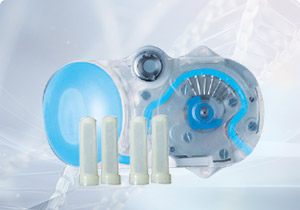
Delivers rapid, airtight seals for medical devices and reduces production costs. Ideal for catheters, surgical tools, and diagnostic equipment, it ensures FDA-compliant, particulate-free joints with repeatable results.
-
Toys
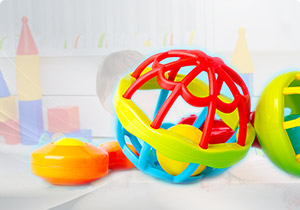
Creates safe, durable toy assemblies with smooth joints free from adhesives or small fasteners. Perfect for plastic toys and educational kits, meeting EN71 and ASTM F963 safety standards efficiently.
-

Packaging
Creates airtight, tamper-proof seals for premium cosmetics. Preserves product freshness, extends shelf life, and enhances appearance while cutting production time by 40% versus adhesives.
Get Transparent Pricing & Custom Solutions for Your Production Needs
Every automated welding system delivers rapid ROI through: ✓ Precision Engineering (±0.1mm repeatability for consistent weld quality), ✓ Customized Integration (tailored tooling and material-specific parameters), and ✓ Production-Ready Performance (cycle times 80% faster than manual welding)
Join 1,200+ manufacturers worldwide who trust our ultrasonic welding solutions for their most critical plastic assembly applications.
Tips For Why Choosing The Ultrasonic Welding Machines
Here are some key tips to help you choose ultrasonic welding machines. It's important to consider factors beyond just the price.
What is ultrasonic welding machine?
An ultrasonic welding machine is specialized industrial equipment that uses high-frequency acoustic vibrations to join thermoplastics, metals, or dissimilar materials. The process converts electrical energy into high-frequency mechanical vibrations (typically 20-40 kHz) that are applied to materials under pressure.
These vibrations create frictional heat at the joint interface, melting the materials and forming a molecular bond as they cool.
This technology offers several advantages over traditional joining methods: faster cycle times (often under one second), no need for external heat sources or adhesives, environmentally friendly operation, and the ability to join different materials.
Ultrasonic welding is widely used in automotive, medical device, electronics, packaging, and textile industries where precise, clean, and strong joints are essential.
How ultrasonic welding machine works?
Ultrasonic welding machines convert electrical energy into mechanical vibrations through a streamlined process. First, an electronic generator transforms standard electricity into high-frequency electrical energy (typically 20-40 kHz).
A transducer with piezoelectric crystals then converts this energy into mechanical vibrations. These vibrations travel through a horn or sonotrode, which focuses them onto the materials being joined. Under pressure, the vibrations create localized heating at the joint interface through friction, melting the thermoplastic materials at their contact points.
When the vibrations stop, the melted material solidifies immediately, forming a strong molecular bond. This process takes less than a second and needs no external heat, adhesives, or consumables—making it efficient, clean, and environmentally friendly for industries from automotive to medical device manufacturing.
Various ultrasonic welding processes
Ultrasonic welding includes several distinct processes customized for different materials and applications. The most common types are:
- Plastic welding: Joins thermoplastic components through localized melting at the interface
- Metal welding: Works with thin materials like aluminum and copper
- Fabric welding: Used in the textile industry
Specialized variants include:
- Spot welding: Creates precise, localized joints
- Continuous seam welding: Forms hermetic seals
- Torsional welding: Applies rotational vibrations, particularly effective for circular joints
- Near-field welding: Works with components nearby
- Far-field welding: Accommodates larger distances between the horn and joint
Each process uses different frequencies (15-70kHz), amplitudes, and pressure settings. This allows manufacturers to optimize parameters based on material properties, joint geometry, and production requirements.
Choosing the appropriate process depends on material compatibility, joint design, production volume, and quality requirements.
What plastics can be welded ultrasonically?
Ultrasonic welding is most effective with amorphous thermoplastics because of their excellent energy absorption and melting properties. ABS, polycarbonate, polystyrene, and acrylics commonly work well with ultrasonic vibrations.
Semi-crystalline thermoplastics such as nylon, polyethylene, and polypropylene can also be welded, but need higher energy levels and precise parameter control.
Material compatibility is essential—plastics with similar melting points create the strongest welds. Joint design critically affects weldability, often incorporating energy directors (small triangular ridges) to focus vibration energy.
Glass or carbon fiber reinforced plastics present challenges due to their abrasiveness, which can accelerate tool wear.
PMMA, PVC, polysulfone, and polyetherimide are particularly suitable for ultrasonic welding. In contrast, thermosets and elastomers generally cannot be ultrasonically welded because of their molecular structure. Material thickness is also important, with optimal results typically limited to components less than 3mm thick.
Advantages of ultrasonic welding machines for plastic
Ultrasonic welding machines provide numerous key advantages for plastic joining applications. With cycle times under one second, they deliver exceptional production efficiency and throughput.
The process creates strong molecular bonds without adhesives, fasteners, or solvents—eliminating both inventory costs and chemical handling concerns.
Energy efficiency is a major benefit, as heat is generated only at the joint interface rather than throughout the entire component. The technology produces consistent, repeatable results with precise parameter control, significantly reducing quality variations.
These machines can handle complex geometries and often join dissimilar materials successfully. The process is environmentally friendly with no fumes or waste materials. The hermetic seals created are perfect for water or airtight applications.
From an operational standpoint, ultrasonic welding machines integrate easily into production lines and require minimal maintenance compared to alternative joining technologies.
These combined advantages make ultrasonic welding invaluable across industries that demand high-quality, consistent plastic joining solutions.
How much do ultrasonic plastic welding machines cost?
Ultrasonic plastic welding machine prices vary widely based on specifications, capabilities, and manufacturers. Entry-level handheld or benchtop systems cost between $500 and $2,000, ideal for small-scale operations or laboratories.
Mid-range industrial machines with moderate power and automation features typically range from $2,000 to $5,000. High-end systems featuring servo-controlled precision, digital interfaces, data logging, and customized tooling can cost from $5,000 to $20,000 or more.
Specialized systems for specific industries (automotive, medical, etc.) or those with robotic integration may exceed $100,000.
Price is also affected by power output (in watts), frequency range, control sophistication, and included custom fixtures or tooling are included. Most manufacturers offer maintenance contracts and warranty options that add to the total investment cost.
How to choose an ultrasonic welding machine?
Selecting the right ultrasonic welding machine requires careful consideration of several key factors. Begin by assessing your specific application needs—what materials you'll be joining, their thickness, and the joint complexity.
Match power requirements (100W to 5000W) to your application, with higher power needed for thicker or more difficult materials. Choose appropriate frequency options: 20kHz works best for thicker materials, while 40kHz is ideal for precision work.
Decide between a portable handheld unit or a stationary system based on your workspace needs. Consider your automation requirements—from a simple manual press to a fully automated system with robotic integration.
Examine the control interface; modern machines feature digital controls with programmable weld profiles and data logging. For critical applications, prioritize quality assurance features like weld monitoring and process validation.
Lastly, evaluate the manufacturer's reputation, after-sales support, spare parts availability, and warranty terms. While budget matters, investing in a quality machine with appropriate specifications offers better long-term value than choosing based on price alone.
What are the maintenance requirements for ultrasonic welding machines?
Proper maintenance of ultrasonic welding machines is crucial for optimal performance and longevity. Regular upkeep includes:
- Inspecting and cleaning the horn/sonotrode for wear or damage every 8-10 operating hours
- Checking and tightening mounting bolts weekly according to manufacturer specifications
- Examining transducer components every 3-6 months for signs of wear or overheating
- Performing regular tuning checks on acoustic stacks (transducer, booster, and horn assembly) to ensure correct frequency
- Conducting quarterly inspections of control systems and electrical connections for loose components or damage
- Changing filters and checking for leaks monthly in pneumatic models' air pressure systems
- Calibrating force, amplitude, and timing parameters semi-annually to maintain weld quality
A preventive maintenance schedule based on operating hours rather than calendar time is most effective. Keeping detailed maintenance logs helps track machine performance trends. Most manufacturers provide maintenance training and service contracts to ensure equipment reliability.
What's the lifespan of a ultrasonic horn?
An ultrasonic horn (or sonotrode) has a variable lifespan that depends on several key factors. In standard applications, a well-maintained horn typically lasts between 500,000 and 1,000,000 cycles. This lifespan is influenced by material hardness, operating frequency, amplitude settings, and application type.
Horns used with abrasive materials such as glass-filled plastics wear down faster, sometimes lasting only 250,000 cycles.
Regular inspection is crucial because performance deterioration happens gradually. Common signs of wear include visible surface damage, reduced weld quality, and shifts in resonant frequency. While titanium horns generally outlast their aluminum counterparts, they have a higher initial cost.
Proper maintenance—including avoiding overtightening, preventing exposure to contaminants, and careful handling—can significantly extend horn life.
Manufacturers generally recommend replacing horns when they display significant wear patterns or when weld quality begins to decline, regardless of the total cycle count.
Why Choose Dizo Welding Machine
-

High Efficiency
Ultrasonic welding requires no preheating, enabling fast, mass production while boosting efficiency.
-

Reliable & Stable
Precisely controlled ultrasonic welding delivers strong, consistent welds for reliable products.
-

Eco-Friendly
Solvent-free ultrasonic welding saves energy and meets environmental standards.
-

Easy Operation
Highly automated for simple operation and maintenance, reducing labor costs.
Internationally Certified
Our plastic ultrasonic welders are CE, ISO, and RoHS certified, ensuring they meet all international standards.




Unparalleled Ultrasonic Welding Training and Support
-

Free Consultation
Complimentary Ultrasonic Welding Technology Consultation: Our experts provide model selection advice along with free design support and on-site technical guidance.
-

Technical Training
Customized Ultrasonic Welding Technical Training: We offer tailored training solutions aligned with user requirements, complemented by ongoing product improvements.
-

Manufacturing Transparency
Open Manufacturing Process: Customers have full visibility into their ultrasonic welder's manufacturing journey, from material selection to final testing. This transparency builds confidence in equipment quality.
-

Quality Assurance
Comprehensive Inspection Documentation: We provide inspection standards and test reports covering material verification, dimensional accuracy, and performance testing under various conditions.
-

Lifetime Commitment
Lifetime Support with One-Year Warranty: Includes unlimited technical assistance, full one-year warranty coverage, and 24/7 engineer support with guaranteed 8-hour response time.
Our Customers
We collaborate with industry-leading brands and have successfully completed welding projects across diverse sectors. Our ultrasonic plastic welding solutions feature advanced controls and flexible configurations, delivering exceptional performance for businesses that require high-quality joining capabilities.




















Customers Feedbacks
When you are looking for a plastic ultrasonic welding machine manufacturer, we stand as the clear choice, where your satisfaction is not just promised, but guaranteed.

I highly recommend Dizo for projects that require ultrasonic plastic welding technology. Their team excels at delivering valuable products and services, making them a strong choice for your needs.
John Smith
The ultrasonic welding system integrates seamlessly with our automation ultrasonic welding equipment. We are delighted to collaborate with you.
Emily Johnson
We are thrilled to have found an plastic ultrasonic welding machine manufacturer like Dizo, offering excellent service. We will establish a long-term cooperation with them.
David LeeFAQs
Here are frequently asked questions to consider before choosing an plastic ultrasonic welder for thermoplastics products.