

What is Hot Plate Welding?
Hot plate welding is a thermal joining technology for thermoplastic materials that uses a temperature-controlled heated plate to melt joining surfaces. The process follows these steps:
First, thermoplastic components are secured in specialized fixtures on opposite sides of a heated plate (at temperatures between 230°C and 400°C, varying by material). When these components contact the hot plate, their surfaces begin to melt. Once adequate melting occurs (determined by measuring melt displacement or following preset timing), the components are briefly pulled away from the plate. The hot plate is then quickly removed, and the molten surfaces are pressed together under precise pressure. As the materials cool, polymer chains from both components intertwine at the microscopic level, creating a strong molecular bond that often matches or exceeds the strength of the original material.
This joining method provides several key advantages: exceptional structural integrity, superior hermetic sealing for fluid or gas containment, and minimal flash formation for aesthetically pleasing results. Hot plate welding is widely used in automotive assembly, medical device production, and household appliance manufacturing. It excels at creating durable, leak-proof joints in medium to large thermoplastic components where both structural strength and visual appeal are essential.
Request Industry-Specific Case Studies- Hot Plate Welder Classification |
- Parameters |
- Applications |
- Why Choose Dizo |
- Certification |
- Packaging & Delivery |
- FAQs
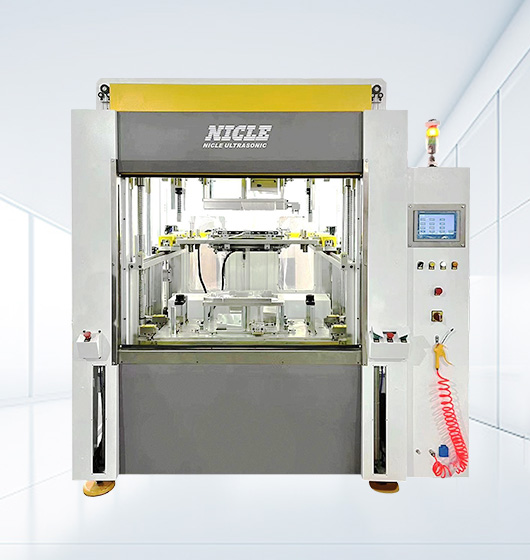
Pneumatic Thermoplastic Hot Plate Welding Machine
Key Features:
- ● Precision Welding Performance:
- Titanium heating plates with 0.1mm positioning accuracy | 99.8% repeat accuracy at 200+ cycles/hour | Auto-adjusting capabilities for consistent weld quality.
- ● Advanced Engineering Design:
- Integrated linear bearing system minimizes misalignment | Dual clamping: vacuum adsorption & pneumatic fixation | Anti-vibration structure ensures operational stability.
- ● Intelligent Control System:
- PLC-based automation with multi-level security protocols | 10-second rapid heating system | 68% reduction in idle power consumption.
- ● Enhanced Safety Features:
- Pneumatic button protection mechanism | Full-perimeter safety light curtains | ISO/CE certified safety standards.
- ● Industrial Application Versatility:
- Processes automotive, medical and industrial parts | Works with multiple thermoplastics | Adapts to complex shapes through programmable settings.
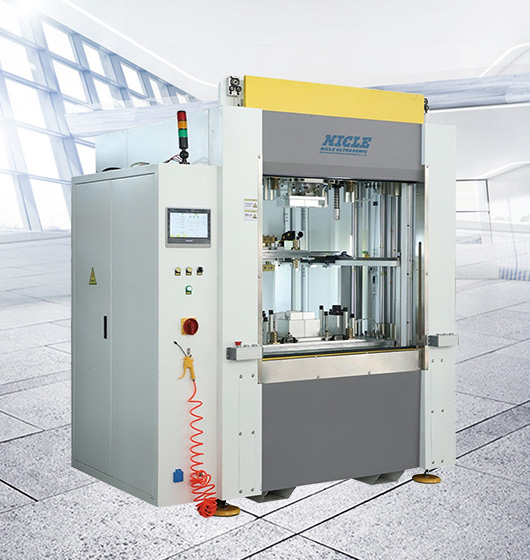
Servo Plastic Hot Plate Welding Machine
NC-S Hot Plate Welder Series
Key Features:
- ● Precision Performance & Certifications:
- ISO/CE certified with 200+ cycles/hour capacity | Servo-driven system ensures ±0.05mm repeatability | Passes ISO 13061 strength testing standards.
- ● Advanced Thermal Control:
- 280°C max temperature with multi-zone heating | High-precision temperature modules (±1°C) | 12-second rapid cycle time.
- ● Efficient Production Design:
- 30% reduced energy consumption | 15-minute quick mold change system | Real-time defect monitoring with smart alarms.
- ● Safety & Compliance:
- Integrated safety light curtains | Door interlock sensors | Pneumatic button protection.
- ● Material & Application Versatility:
- Handles automotive plastics (PP, ABS, PC) and medical-grade polymers | Multi-mode heating for complex geometries | Customizable for specialized part requirements.

Custom Tooling for Hot Plate Welding Machines
Key Features:
- ● Custom Mold Solutions:
- Precision-engineered molds tailored to your specific part geometry and material requirements | CAD/CAM optimized designs for optimal heat transfer and weld quality.
- ● Rapid Production & Delivery:
- Industry-leading lead times (typically 2-4 weeks depending on complexity) | Expedited turnaround available for urgent projects.
- ● Comprehensive Quality Control:
- CMM inspection validates ±0.05mm dimensional accuracy | Full material certification for tool steel | Pre-shipment trial welds conducted.
Custom-Engineered Hot Plate Welding Machine for Plastic Pallets
Key Features:
- ● Customized Solutions:
- Our welding systems are specifically tailored to meet unique production requirements, offering adjustable mold configurations for pallet sizes ranging from 800mm to 1500mm with material compatibility for PP, PE, and HDPE.
- ● High-Efficiency Performance:
- Our machines maintain a 99.9% weld success rate at 300 pallets/hour through precise temperature control (±1°C) and automated operation.
- ● Quality Assurance:
- Every system undergoes rigorous testing and comes with ISO certification, featuring durable surface treatments including electrostatic spraying and hard chrome plating for long-term reliability, backed by a comprehensive 2-year warranty.
- ● Advanced Technology Integration:
- The PLC/HMI touchscreen interface with dual temperature control systems ensures optimal welding parameters, while precision linear guides and high-performance cylinders guarantee uniform weld quality across all production runs.
- ● Sustainable Operations:
- Our energy-efficient design cuts power use and eliminates VOC emissions, while full automation delivers 60% labor savings for better production economics.

Hot Plate Welder Parameters
| Type | 200-Type Hot Plate Welder | Standard Pneumatic Hot Plate Welder | Servo Hot Plate Welder | Quick-Change Servo Hot Plate Welder | |||||
|---|---|---|---|---|---|---|---|---|---|
| Model | DZ-200 | DZ-350 | DZ-500 | DZ-500S | DZ-800S | DZ-1000S | DZ-500SF | DZ-800SF | DZ-1000SF |
| Equipment Dimension | W870*L700*H2400 mm | W1400*L1500*H2100 mm | W1500*L1500*H2500 mm | W1500*L1500*H2500 mm | W2000*L2200*H2600 mm | W2200*L2400*H2800 mm | W1500*L1500*H2500 mm | W2000*L2200*H2600 mm | W2200*L2400*H2800 mm |
| Voltage | 380 V | 380 V | 380 V | 380 VAC | 380 VAC | 380 VAC | 380 VAC | 380 VAC | 380 VAC |
| Air Pressure | 6-10 Bar | 6-10 Bar | 6-10 Bar | 6-10 Bar | 6-10 Bar | 6-10 Bar | 6-10 Bar | 6-10 Bar | 6-10 Bar |
| Maximum Weld Size | 250*150 mm | 350*200 mm | 500*300 mm | 500*300 mm | 800*450 mm | 1000*600 mm | 500*300 mm | 800*450 mm | 1000*600 mm |
| Upper and Lower Plate Dimensions | / | 540*400*12 mm | 760*400*12 mm | 760*400*12 mm | 1000*700*14 mm | 1170*720*14 mm | 760*400*12 mm | 1000*700*14 mm | 1170*720*14 mm |
| Cylinder Bore & Stroke | / | 250 mm | 350 mm | 350 mm | 350 mm | 350 mm | 350 mm | 350 mm | 350 mm |
| Mold Opening Stroke | / | 450 mm | 720 mm | 720 mm | 980 mm | 980 mm | 720 mm | 980 mm | 980 mm |
| Temperature Control Range | below 400 ℃ | below 600 ℃ | below 600 ℃ | below 600 ℃ | below 600 ℃ | below 400 ℃ | below 600 ℃ | below 600 ℃ | below 400 ℃ |
| Temperature Tolerance | ±5 ℃ | ±5 ℃ | ±5 ℃ | ±5 ℃ | ±5 ℃ | ±5 ℃ | ±5 ℃ | ±5 ℃ | ±5 ℃ |
| Warranty | 1 Year | 1 Year | 1 Year | 1 Year | 1 Year | 1 Year | 1 Year | 1 Year | 1 Year |
| MOQ | 1 Unit | 1 Unit | 1 Unit | 1 Unit | 1 Unit | 1 Unit | 1 Unit | 1 Unit | 1 Unit |
Hot Plate Welding Case Study
Hot plate welding is compatible with numerous thermoplastics (PP, PE, ABS, etc.) and specializes in creating strong, leak-proof bonds for large, complex parts.
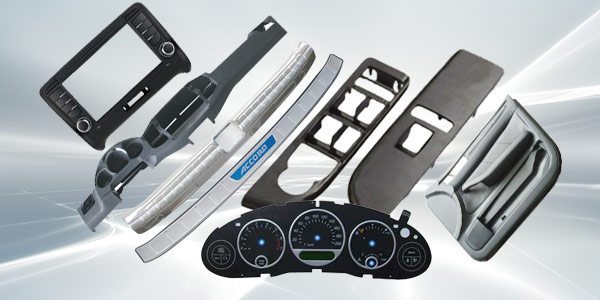
Hot Plate Welding Machine for Automotive Interior Components
Hot plate plastic welding machines play a vital role in automotive manufacturing by enabling precise joining of interior components. These machines effectively weld critical parts such as door panels, sound insulation boards, trim panels, dashboards, instrument panels, and glove boxes — all while ensuring structural integrity and compliance with stringent industry standards.
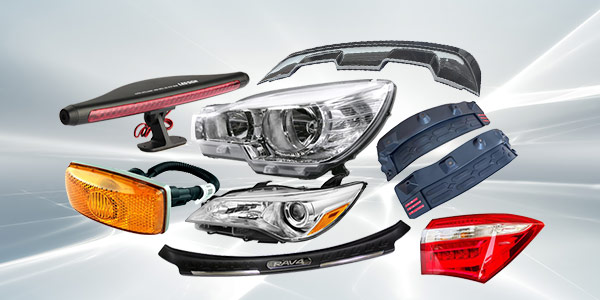
Hot Plate Welding Machine for Automotive Exterior Components
Our hot plate plastic welding process effectively joins critical safety components such as taillights, turn signals, and brake lights, while seamlessly integrating aerodynamic features (e.g., spoilers) and protective elements (e.g., mud flaps, rear panels). This technology guarantees both structural integrity and premium aesthetic quality, fully complying with industry standards.
Hot Plate Welding Machine for Automotive Functional Parts
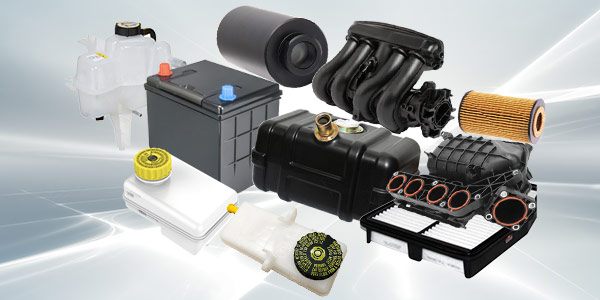
Our hot plate plastic welding technology is specifically designed for critical vehicle components, including fuel tanks, battery casings, expansion tanks, radiators, brake fluid reservoirs, filters (fuel, oil, and air), intake manifolds, and air intake pipes. Each welded component meets stringent requirements for structural integrity and long-term reliability.
Hot Plate Welding Machine for Household Appliances
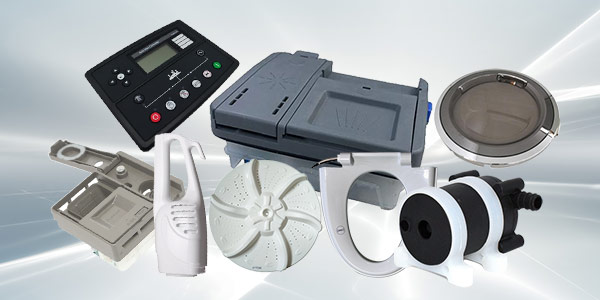
Hot plate plastic welding technology creates durable connections in appliance manufacturing for storage containers, control panels, multi-layer doors, and component installation. This method ensures structural integrity, reliable sealing, and aesthetic finish that meets industry quality standards.
Why Choose Dizo Welding Machine

Works with Any Size
Hot plate welding accommodates plastic parts of all sizes without area limitations.

Any Surface Compatibility
Plastic hot plate welders can bond any surface type with ease.

Strong and Adaptable
The process adapts to diverse shapes while maintaining robust joint strength.

Customized for Each Material
Optimized for different materials, ensuring precision and user-friendly control.
Internationally Certified
Our plastic hot plate welders are CE, ISO, and RoHS certified, ensuring they meet all international standards.


Get Transparent Pricing & Custom Solutions for Your Production Needs
Every automated welding system delivers rapid ROI through: ✓ Precision Engineering (±0.1mm repeatability for consistent weld quality), ✓ Customized Integration (tailored tooling and material-specific parameters), and ✓ Production-Ready Performance (cycle times 80% faster than manual welding)
Join 1,200+ manufacturers worldwide who trust our hot plate welding solutions for their most critical plastic assembly applications.
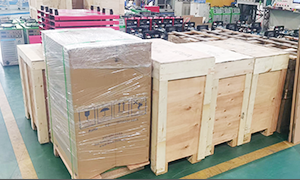
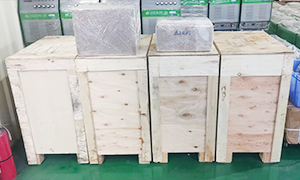
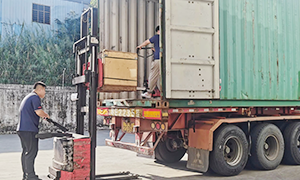
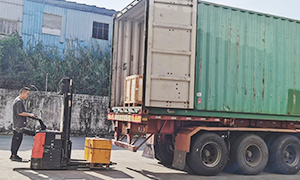
On-site Photo Record of Welding Machine Packaging Workflow
Dizo Sonics has always been committed to using eco-friendly packaging materials.
Tips For Why Choosing The Hot Plate Welding Machines
Here are some key tips to help you choose hot plate welding machines. It's important to consider factors beyond just the price.
How hot plate welding machine works?
A hot plate welding machine operates through a precise thermal joining process. First, the machine secures thermoplastic components in fixtures on opposite sides of a heated plate (typically 230-400°C). When the cycle begins, the parts press against the hot plate, causing their surfaces to melt. This melting continues until reaching a predetermined depth or displacement, monitored by position sensors.
Next, the parts briefly separate from the plate during a "heat soak" phase, allowing heat to penetrate deeper into the material. The hot plate then completely retracts from between the parts. In the final stage, the machine quickly brings the molten surfaces together under precisely controlled pressure. As the materials cool under pressure, polymer chains from both parts intermingle at the molecular level, forming a strong, permanent bond.
Modern hot plate welding machines use programmable control systems that precisely manage temperature, pressure, timing, and displacement parameters throughout this process, ensuring consistent, high-quality welds with minimal flash (excess material at the joint).
What thermoplastic materials can be hot plate welded?
Hot plate welding works with many thermoplastics. Semi-crystalline polymers such as polyethylene (PE), polypropylene (PP), polyamide (PA/nylon), and polyoxymethylene (POM/acetal) perform exceptionally well because of their clear melting points.
Amorphous thermoplastics like polycarbonate (PC), acrylonitrile butadiene styrene (ABS), polystyrene (PS), and polyvinyl chloride (PVC) are also effective candidates. High-temperature resistant materials—including polysulfone (PSU), polyetherimide (PEI), and polyether ether ketone (PEEK)—can be successfully welded but require higher plate temperatures.
This process yields the best results when joining identical materials, though compatible dissimilar materials with melting points within 40°C of each other can sometimes be joined. Glass-filled or reinforced thermoplastics can also be hot plate welded, but may need modified welding parameters to address their unique thermal properties and flow characteristics.
Why are the heater plates of hot plate welding machines coated?
Heater plates in hot plate welding machines are coated for several critical reasons. The main purpose is to prevent plastic from sticking to the heated surface during melting, which would contaminate future welds and damage parts.
These non-stick coatings—typically PTFE (Teflon), specialized metal alloys, or ceramic composites—create a release surface that maintains clean operation through thousands of cycles.
The coatings also distribute heat more uniformly across the plate, ensuring consistent melting and weld quality. They protect the underlying metal from corrosion and oxidation when exposed to high temperatures and plastic additives.
Quality coatings significantly extend the heating plates' service life, reducing maintenance costs and production downtime. The coating type depends on operating temperatures, the plastics being welded, and the durability required for the production environment.
Advantages of hot plate welding machines for plastic
Hot plate welding machines offer significant advantages for plastic joining applications. These systems create exceptionally strong bonds with hermetic sealing capabilities, making them ideal for water or air-tight joints. The process yields high-quality, aesthetically pleasing welds with minimal flash or waste.
Unlike adhesive joining, hot plate welding eliminates the need for additional materials or curing times, reducing both production costs and cycle times.
The technology is highly versatile, accommodating complex 3D joint geometries and a wide range of thermoplastics, including PE, PP, PA, PC, and ABS. Modern machines provide excellent process control with precise temperature, pressure, and timing parameters, ensuring consistent, repeatable results.
The process is environmentally friendly, producing no fumes or waste materials, and uses relatively little energy compared to alternative joining methods.
For manufacturers, hot plate welding delivers an excellent balance of joint strength, production efficiency, and cost-effectiveness, particularly for medium to large plastic components in automotive, medical, appliance, and consumer goods industries.
How much do hot plate plastic welding machines cost?
The cost of hot plate plastic welding machines varies by size, capabilities, and automation level. Entry-level manual or semi-automatic machines typically range from $5,000 to USD 15,000, making them suitable for small-scale operations or basic applications.
Mid-range systems with improved controls, larger plates, and higher production capacities generally cost between $15,000 and USD 20,000. Fully automated systems featuring robotic handling, advanced controls, and data logging can range from $20,000 to over USD 100,000.
When budgeting, also consider additional expenses: customized fixtures ($3,000-$20,000 depending on complexity), installation and training ($2,000-$10,000), and accessories like cooling systems or specialized plate coatings.
Despite this significant upfront investment, manufacturers typically achieve ROI within 1-2 years through improved production efficiency, reduced labor costs, and higher quality joints compared to alternative joining methods.
How to choose a hot plate welding machine?
When selecting a hot plate welding machine, first analyze your material requirements. Different thermoplastics need specific temperature ranges and heating capabilities, so ensure the machine can properly process your materials.
Next, evaluate part size and geometry—the machine should accommodate your largest components and handle any complex joint designs.
Production volume is another critical factor. High-volume manufacturing may justify investment in fully automated systems with quick cycle times, while lower volumes might be better served by more affordable semi-automatic machines.
Consider the control system's sophistication—modern machines offer programmable welding profiles, data logging capabilities, and precise parameter control for consistent results.
Finally, assess the manufacturer's reputation, after-sales support, and spare parts availability. Quality machines from established vendors typically offer better reliability, technical assistance, and longer service life, providing better value despite potentially higher initial costs.
What safety precautions are needed for hot plate welding machine?
Operating hot plate welding machines requires strict safety measures. Operators should wear appropriate PPE, including heat-resistant gloves, safety glasses, and flame-resistant clothing, to protect against burns from heated plates (typically operating at 230-400°C).
Machine guarding is essential—physical barriers with interlocked safety doors prevent access to heated components during operation. Emergency stop buttons must be visible and easily accessible.
The work area needs adequate ventilation to remove fumes generated from melting plastics. Clear warning signs should indicate hot surfaces, and thermal insulation should protect against accidental contact with heated elements. Proper electrical safety measures include grounding, insulated wiring, and regular inspection of electrical components.
Comprehensive operator training is crucial, covering proper machine operation, hazard recognition, and emergency procedures. Implement lockout/tagout procedures during maintenance to prevent accidental activation. Modern machines should feature dual-hand controls to keep operators' hands safely away from danger zones during the welding cycle.
FAQs
Here are some frequently asked questions to consider before selecting a plastic hot plate welder for your products.