

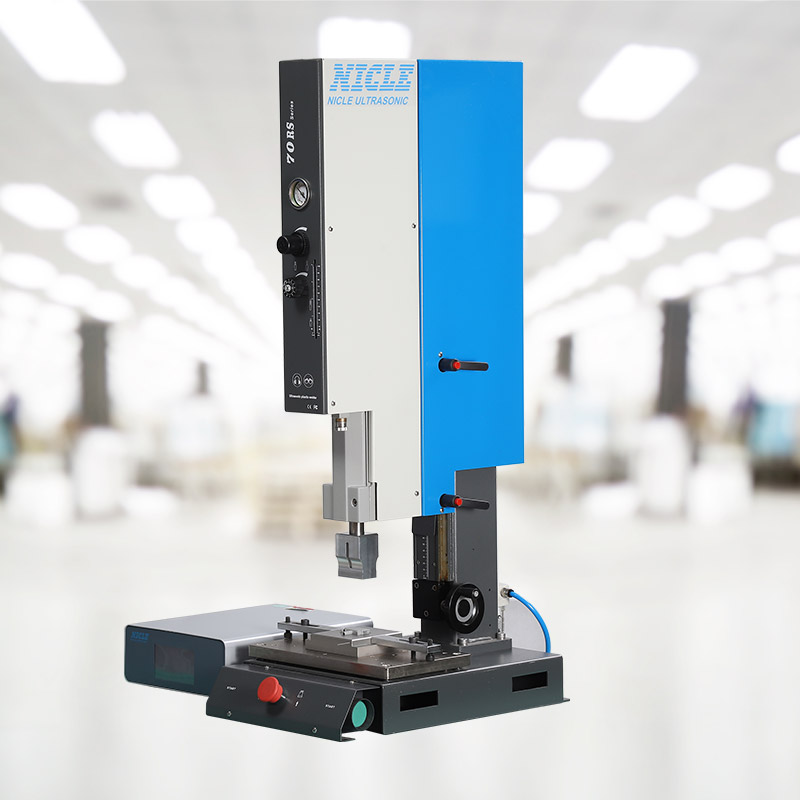
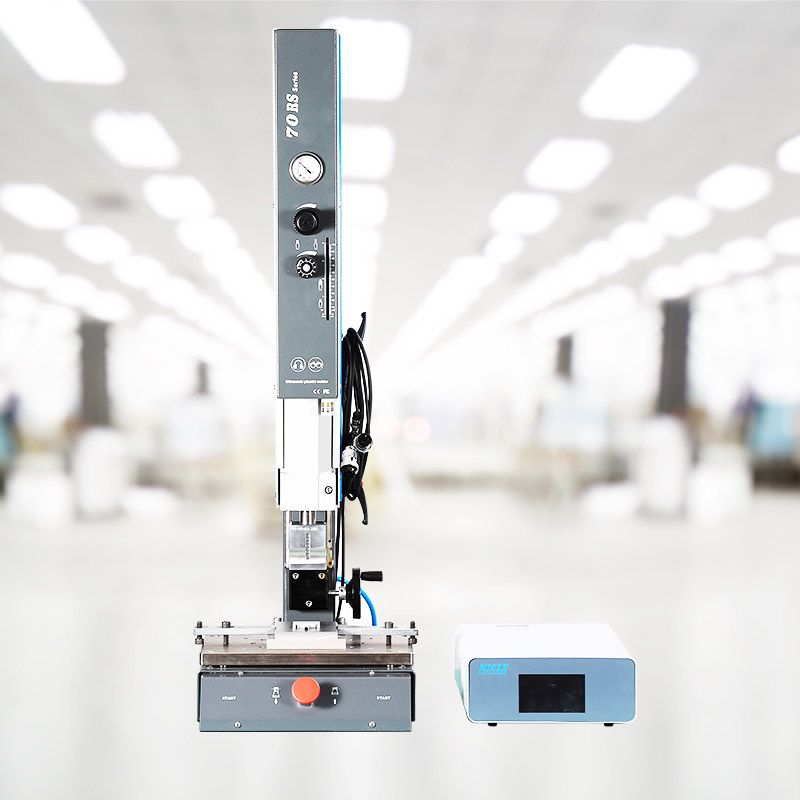
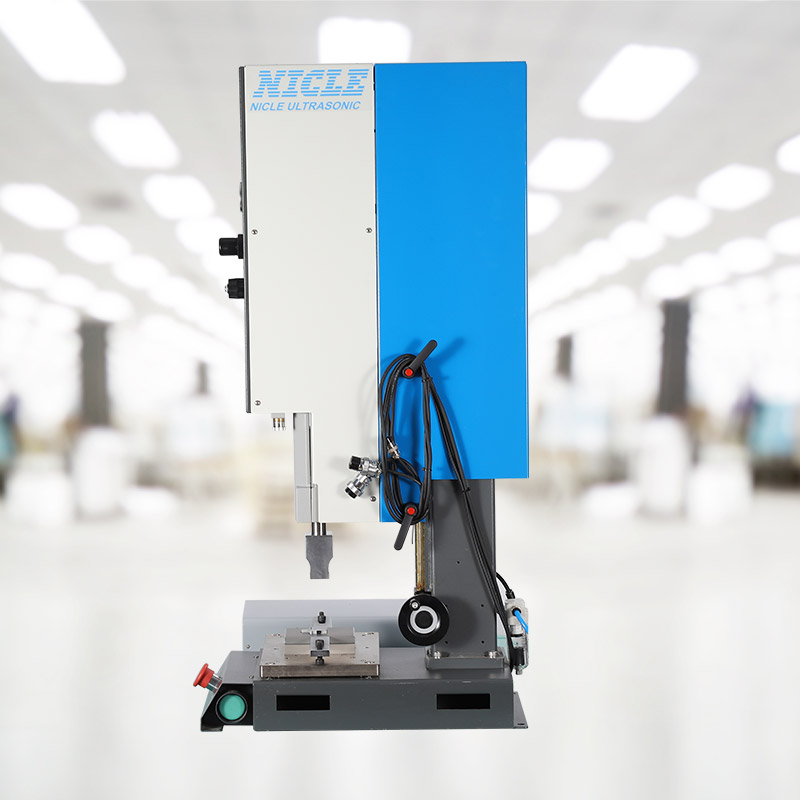
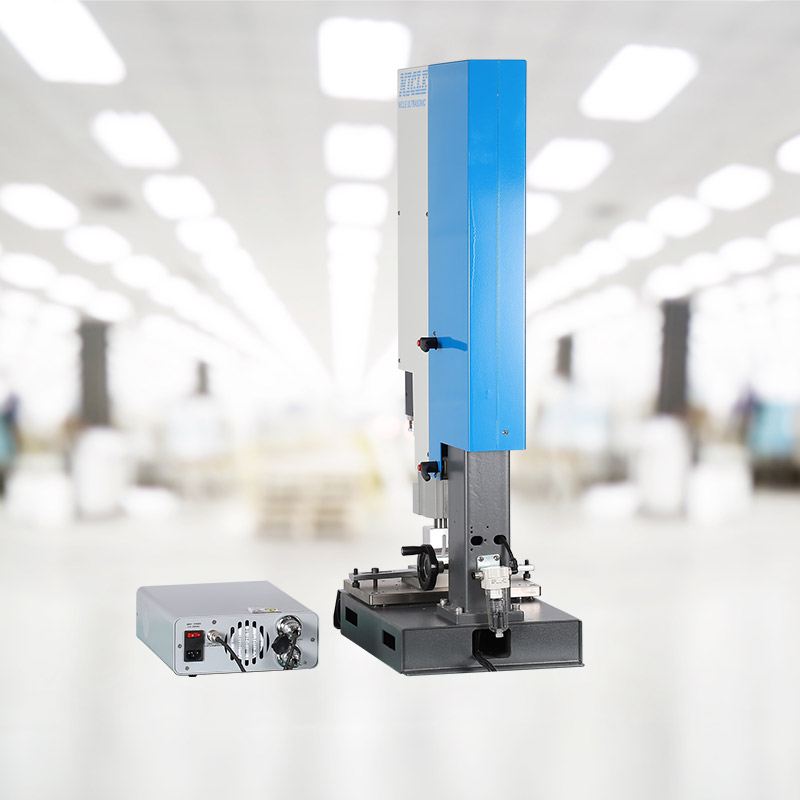
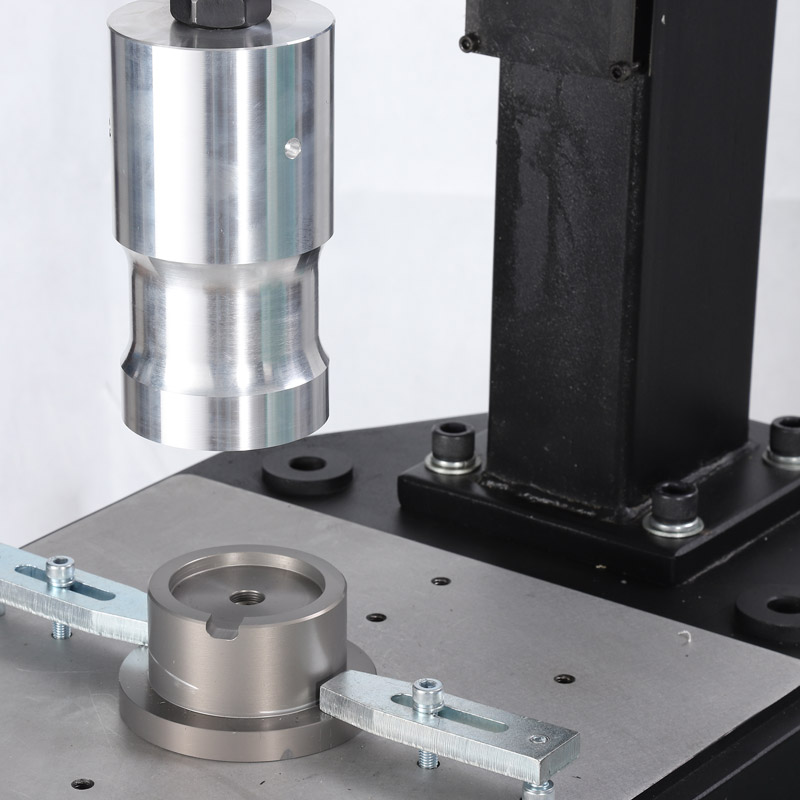
Pneumatic Plastic Ultrasonic Welding Machine
● Traceability System
Pneumatic plastic ultrasonic welders feature automated data logging that captures critical welding parameters (temperature, pressure, duration). This enhances quality control, improves process reliability, and minimizes material waste through early anomaly detection.
● Human-Machine Interface (HMI)
Featuring a full-touch interface with real-time monitoring, the intuitive HMI simplifies operation and maintenance. A high-resolution display provides clear visibility of all operational parameters and system status.
● Dynamic Frequency Tracking
Millisecond-level frequency adaptation maintains consistent energy output by continuously compensating for material and environmental variations, ensuring uniform weld quality.
● CNC-Machined Construction
Precision-engineered components manufactured via CNC machining and heavy-duty casting deliver exceptional structural rigidity. The vibration-damped design guarantees accurate part alignment during operation.
● Square Column Architecture
The reinforced square column framework eliminates lateral deflection during large-scale welding operations, enabling consistent precision across diverse product dimensions.
Request Your Free Welding Test & Proposal- Description |
- Parameters |
- Advantages |
- Appilications |
- FAQs |
- Reviews
What Is a Pneumatic Plastic Ultrasonic Welding Machine
The pneumatic plastic ultrasonic welding machine is automated equipment that uses high-frequency vibration energy for thermoplastic welding. Its key feature is a pneumatic system that drives welding head pressure, working with high-frequency mechanical vibrations from an ultrasonic generator to complete welds. Below is a detailed explanation of its characteristics and working principles:
1. Core Components
● Ultrasonic Generator: Converts 50/60Hz mains electricity into 15-40kHz high-frequency electrical energy.
● Transducer System: Transforms electrical energy into mechanical vibration energy through the piezoelectric effect.
● Pneumatic Drive System: Controls the welding head's vertical movement, providing stable welding pressure (typically 0.1-0.5MPa).
2. Welding Process
● The pneumatic system lowers the welding head, pressing plastic contact surfaces together tightly.
● Ultrasonic vibrations transfer to the contact surface, generating high temperatures (200-300°C) through molecular friction.
● The melted material bonds under pressure and forms molecular-level connections as it cools.
Pneumatic Ultrasonic Welder Parameters
| Parameters | |||||
|---|---|---|---|---|---|
| Model | DZ-1526E | DZ-2020E | DZ-1532E | DZ-1542E | DZ-1555E |
| Frequency | 15 kHz | 20 kHz | 15 kHz | 15kHz | 15 kHz |
| Rated Power | 2600 W | 2000 W | 3200 W | 4200W | 5500 W |
| Input Voltage | 220 V | 220 V | 220 V | 22V | 220 V |
| Amplitude Adjustment | Adjustable range: 10%–100%, Minimum adjustment increment: 1% | ||||
| Operating Temperature Range | -10℃ - 40℃ | -10℃ - 40℃ | -10℃ - 40℃ | -10℃ - 40℃ | -10℃ - 40℃ |
| Weight | 120 KGS | 120 KGS | 300 KGS | 350KGS | 400 KGS |
| Dimensions | 70*80*130 CM | 70*80*130 CM | 80*100*200 CM | 90*100*220 CM | 90*100*220 CM |
Advantages of Dizo Custom Pneumatic Ultrasonic Welding Machine
Ultrasonic welding has several advantages as below.
-

High Efficiency
Ultrasonic welding requires no preheating, enabling fast, mass production while boosting efficiency.
-

Reliable & Stable
Precisely controlled ultrasonic welding delivers strong, consistent welds for reliable products.
-

Eco-Friendly
Solvent-free ultrasonic welding saves energy and meets environmental standards.
-

Easy Operation
Highly automated for simple operation and maintenance, reducing labor costs.
Get Transparent Pricing & Custom Solutions for Your Production Needs
Every automated welding system we build delivers rapid ROI through three core advantages: ✓ Precision Engineering (±0.1mm repeatability ensuring consistent weld quality across all production runs), ✓ Customized Integration (tailored tooling, automation interfaces, and material-specific parameters), and ✓ Production-Ready Performance (cycle times 80% faster than manual welding processes)
"24/7 Technical Support | Price Match Guarantee | Onsite Installation | ISO 9001 Certified"
Request Your Custom Quote
Pneumatic Ultrasonic Welding Machine for Diverse Industrial Applications
Manual ultrasonic welding machines are extensively utilized across multiple industries for joining plastic components, including automotive, consumer electronics, medical devices, toys, and packaging sectors.
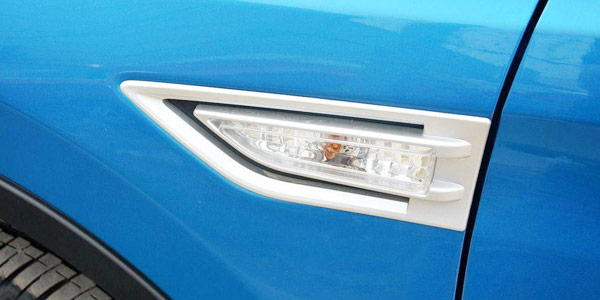
Ultrasonic Welding for Automotive Lighting
Ultrasonic welding forms durable, environment-resistant bonds for automotive signals using high-frequency vibrations that create molecular friction. This adhesive-free process delivers consistent quality for complex lighting components while minimizing waste. The resulting assemblies preserve optical clarity and structural integrity throughout the vehicle's service life, improving safety and aesthetics.
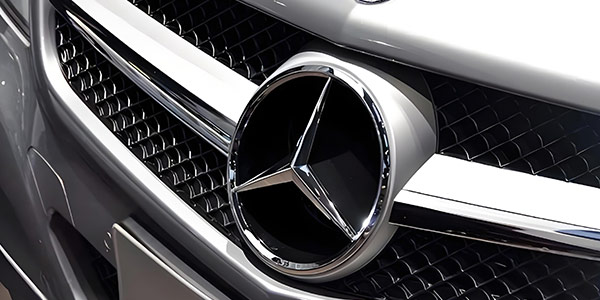
Ultrasonic Welding for Automotive Emblems
Ultrasonic welding technology preserves both the aesthetic appeal and structural integrity of automotive emblems while boosting production efficiency through quick assembly. This adhesive-free process offers an eco-friendly solution that prevents residue contamination. The outcome: durable, flawless emblems that reliably meet the strict quality standards of automotive manufacturers.
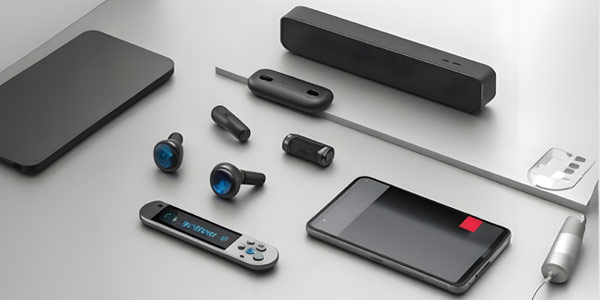
Ultrasonic Welding for Consumer Electronics
Our ultrasonic welding technology provides reliable bonding for critical electronic components such as smartphone housings, headphone cases, tablet/laptop assemblies, and smartwatch enclosures. This advanced process ensures strong structural integrity while delivering IP-rated water/dust resistance and preserving premium aesthetics—meeting the strict standards of modern portable device manufacturing.
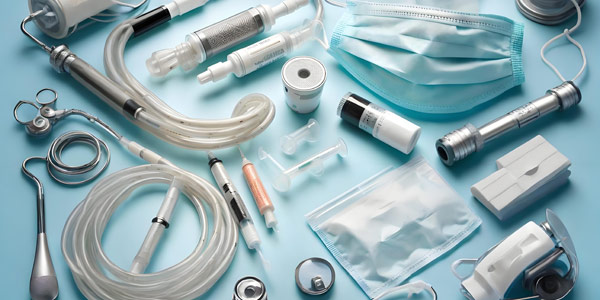
Ultrasonic Welding for Medical Devices
Our precision ultrasonic welding technology delivers sterile, biocompatible joining for medical components: catheters, respiratory masks, device enclosures, and surgical supplies. This energy-free process creates hermetic seals compliant with ISO 13485 standards. The vibration-free operation maintains material integrity, ensuring quality for critical medical applications.

Ultrasonic Welding for Packaging Applications
Our ultrasonic welding technology seals food, cosmetic, pharmaceutical, beverage, and household product packaging with hermetic, contaminant-free bonds that meet FDA and EU 10/2011 standards. This adhesive-free process creates tamper-evident closures, pressure-resistant seals, and maintains packaging integrity throughout distribution while fulfilling diverse quality requirements.
FAQs
Here are frequently asked questions to consider before choosing an pneumatic ultrasonic welding machine for your plastic products.

How can I select the right machine for my project?
-
Are manual ultrasonic welders user-friendly?
+
What technical support does Dizo provide?
+
What training is included?
+
What is the minimum order quantity?
+
How is quality assured?
+
What warranty is provided?
+
What are delivery timelines?
+
Customer Reviews
Related Products

Ready to Transform Your Plastic Welding Process?
Get Expert Guidance, Custom Solutions, and Competitive Pricing - All in One Place
-

Free Application Analysis
Not sure which technology fits your needs?
"Get a professional assessment of your materials, joint design, and production requirements." -

Expert Solution Consultation
Need technical guidance?
"Schedule a one-on-one consultation with our senior welding engineers." -

Custom Quotation
Ready for precise pricing?
"Receive a detailed proposal with specifications and delivery timeline."
Free Technical Consultation & Application Analysis
Leave Your Inquiry - Customized solutions for your specific applications
- Email: sales@dizo-global.com
- Whatsapp: +86 18121506765