

Automated Plastic Welding Solutions for Automotive
Modern automotive manufacturing demands advanced plastic welding technologies to accommodate the complex geometries and material requirements of vehicle components. Our welding systems integrate multiple precision joining methods - including ultrasonic welding, heat staking, hot plate welding, hot melt welding - each selected based on component specifications, material properties, and performance requirements.
Dizo's NC-series automatic automotive plastic welding machines have become industry-standard equipment for both exterior and interior applications. For exterior assemblies, our technology reliably joins critical components such as aerodynamic spoilers, lighting assemblies (headlights/taillights), impact-resistant bumpers, and protective mud flaps. Interior applications range from structural elements like door panels and pillars to cosmetic components including instrument clusters, trim panels, and storage compartments. Our engineering team specializes in developing customized welding solutions tailored to your specific part dimensions, production volumes, and quality standards. Contact our technical specialists today to discuss your project requirements and receive a competitive quotation for your custom automotive welding application.
Request Industry-Specific Case Studies- Custom Welder Classification |
- Techniques |
- Welding Cases |
- Why Choose Dizo |
- Certification |
- Packaging |
- Cooperate Steps |
- FAQs
/Robotic%20Ultrasonic%20Welding1-800x800.jpg)
Customized Auto Plastic Inner Parts Robotic Ultrasonic Welding Workstation
Key Features:
- ● Multi-Product Welding Capability:
- Adaptable for diverse component types with rapid mold-change functionality (≤3-minute changeover) for seamless production transitions.
- ● Optimized Thermal Management:
- Advanced cooling system minimizes part deformation while maintaining consistent performance (±1°C temperature stability) regardless of ambient pressure fluctuations.
- ● Engineered Welding Precision:
- Proprietary amplitude modulation technology improves energy focusing (90%+ conduction efficiency) and reduces acoustic impedance for micron-level accuracy.
- ● Dual-Sensor Positioning System
- Dual sensors (optical/mechanical) ensure ±0.05mm positioning precision for all welds.
- ● Intelligent Centralized Control
- PC-based HMI with recipe management enables one-touch operation while monitoring 15+ real-time process parameters for quality assurance.
Customized Auto Plastic Exterior Parts Multi-head Ultrasonic Welding Machine
Key Features:
- ● Multi-Axis Adjustable Welding Units:
- Each welding head features 360° positional adjustability with mechanical buffer stops and independent servo-controlled parameter settings (±0.1mm repeatability).
- ● Robust Monolithic Construction:
- Anti-vibration frame maintains <0.01mm stability in high-cycle production.on.
- ● Precision Articulating Heads:
- Individual welding heads offer ±0.5° angular adjustment for optimal contact with complex exterior geometries (e.g., spoilers, light housings).
- ● Smart Workpiece Verification:
- Laser triangulation sensors coupled with PLC logic instantly detect missing/misaligned components, triggering both visual and audible alarms within 50 ms.
- ● High-Velocity Production Mode:
- Achieves 15-20 welds/minute while maintaining >99% first-pass yield rates under automotive exterior durability standards (SAE J575 tested).
/Multi-head%20Ultrasonic%20Welding1-800x800.jpg)
/Automatic%20Ultrasonic%20Welding%20Machine02-800x800.jpg)
Customized Auto Plastic Interior Parts Automatic Ultrasonic Welding Machine
Key Features:
- ● Multi-Axis Adjustable Welding Units:
- Each welding head features 360° positional adjustability with mechanical buffer stops and independent parameter control for precision process management.
- ● Modular System Architecture:
- Self-contained single-system design ensures reliable operation with minimal maintenance requirements.
- ● Precision Articulating Heads:
- Welding heads adjust ±0.5° for optimal contact with complex geometries.
- ● Intelligent Workpiece Monitoring:
- Photoelectric sensors verify part presence and positioning, triggering alarms when placement exceeds tolerance limits.
- ● High-Speed Process Efficiency:
- Achieves consistent weld quality at production speeds up to 12 cycles/minute while maintaining ±0.1mm repeatability.
Customized Auto Plastic Interior Parts Heat Staking & Hot Plate Combo Welding Machine
Key Features:
- ● Multi-Axis Adjustable Welding Units:
- Each welding station features 360° positional adjustability with mechanical buffer stops and independent parameter programming for precise process control.
- ● Hybrid Welding Technology:
- Patented combination of heat staking and hot plate welding methods in a single system, optimized for complex interior component geometries.
- ● Independent Articulating Heads:
- Servo-controlled welding heads with ±0.5° angular adjustment capability for perfect alignment with contoured surfaces.
- ● Smart Workpiece Monitoring:
- Integrated photoelectric sensors and proximity detectors automatically verify part presence and positioning, activating visual/audible alarms for any placement deviations.
- ● High-Speed Precision Welding:
- Achieves cycle times under 8 seconds while maintaining consistent melt depth (±0.1mm tolerance) across all weld points.

Automatic Plastic Welding Techniques in the Automotive Industry
Automotive manufacturers require specialized automatic plastic welding techniques to meet stringent quality and production demands. Our expertise includes ultrasonic welding systems, hot plate welders, and vibration welding machines, with a focus on automated ultrasonic welding integration for assembly lines. We deliver precision welding solutions featuring custom-designed sonotrodes and robotic positioning systems, enabling flawless joining of complex components like instrument panels with superior surface finishes and tight gap control (±0.1mm tolerance).
All our automatic welding systems comply with IATF 16949 and ISO 9001 standards, ensuring reliable, repeatable results for automotive-grade thermoplastics and composites. Our solutions reduce cycle times by 30% while eliminating consumables, supported by a team of 21 welding engineers and 20 field technicians for seamless implementation. From initial design to production integration, we provide complete technical support and operator training for maximum productivity.
Schedule a Technical Consultation + Free Application Analysis
Welding Cases
We deliver specialized automatic plastic welding solutions for automotive parts, ensuring full compliance with production specifications.
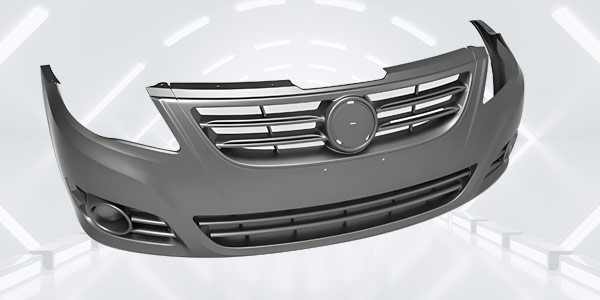
Automotive Bumper
Automotive bumpers, made of polypropylene plastic, protect both front and rear sections of vehicles. These essential components absorb collision impact and meet safety standards. Dizo's plastic welding and punching technology enhances manufacturing efficiency, product quality, safety performance, and aesthetics, creating seamless joints that satisfy OEM visual requirements while maintaining structural integrity.
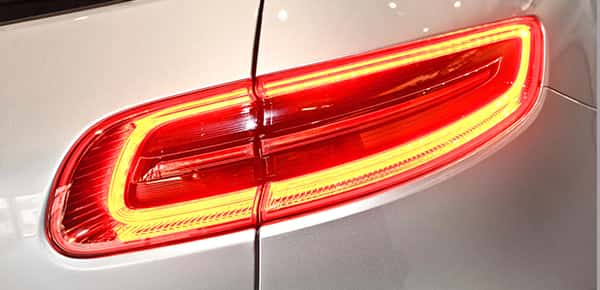
Automotive Lighting
Three plastic welding technologies for automotive lighting: hot plate welding creates hermetic headlight seals, vibration welding joins complex components, and ultrasonic welding handles delicate assemblies. These methods ensure watertight construction and durability, with each technique selected based on specific design requirements and materials.
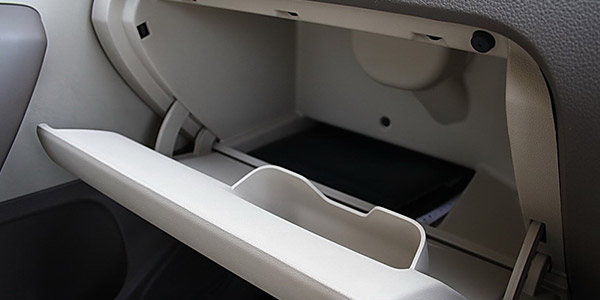
Automotive Glove Compartment
Automotive glove compartments often feature complex structures with specialized shapes and curves. Plastic welding technology is ideal for joining intricately designed components, as it can reach areas inaccessible to other methods. The process is easy to control, highly adaptable, and effectively bonds glovebox parts of varying shapes and complexities.
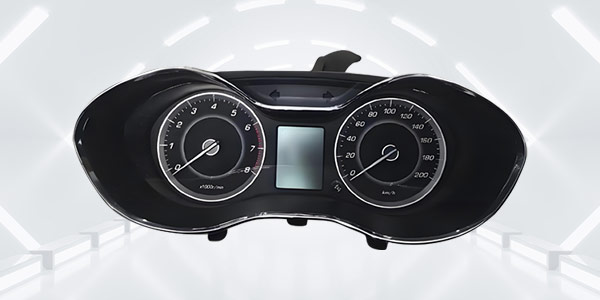
Dashboard Assembly
Vibration friction welding bonds dashboard components through controlled oscillation and pressure, creating molecular-level connections between plastic parts. The process enhances welding quality while meeting strict aesthetic and functional requirements. Resulting joints withstand temperature changes, vibrations, and daily use throughout the vehicle's lifespan.
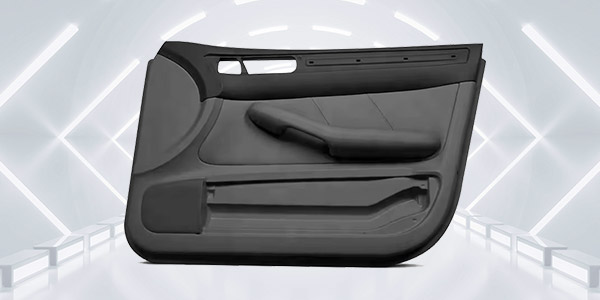
Door Trim Panel
Car door trim panel welding requires managing stress, temperature (-40°C to 85°C), vibrations, and quality consistency. Ultrasonic welding creates seamless, watertight joints that last throughout vehicle lifespan. This method cuts production time by 40% versus mechanical fastening while reducing costs through optimized parameters, less waste, and minimal downtime.
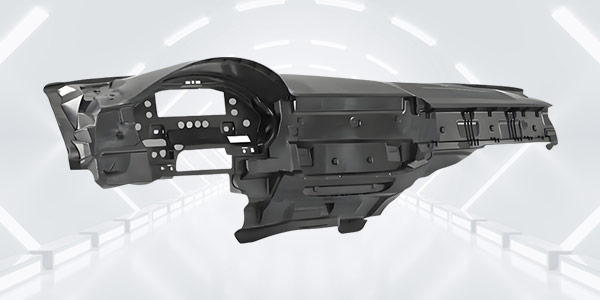
Dashboard
Dizo plastic welding technology offers superior corrosion resistance and bond strength for dashboard housings. Its polymer formulation withstands automotive fluids and cleaning agents. The technology meets industry environmental and safety standards for VOC emissions and recyclability. Implementation has reduced assembly time by 30% while improving durability metrics.
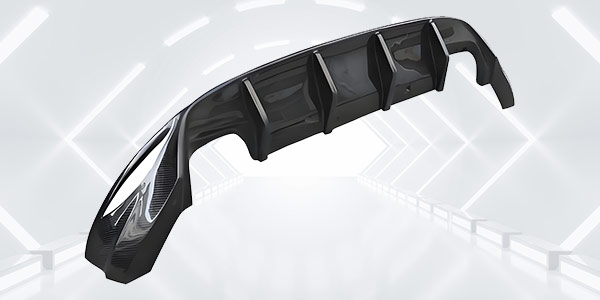
Automotive Spoiler
Ultrasonic welding excels in automotive spoiler production, delivering quality at mass production scale. It reduces costs through lower energy use and minimal maintenance. This clean process improves workplace safety and environmental compliance while maintaining consistent joint quality across production runs to meet automotive aesthetic standards.
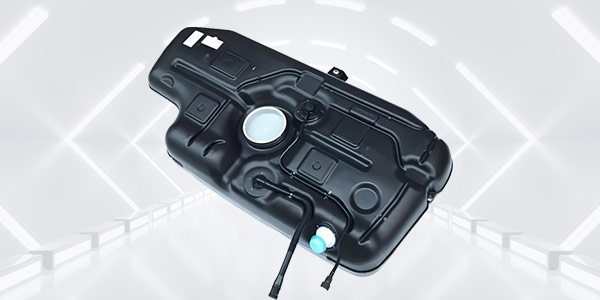
Automotive Fuel Tank
Dizo's plastic welding technology improves fuel tank production quality and efficiency. It provides superior weld strength for vapor-liquid separators and pressure relief valves, ensuring safety and reliability. Precision-controlled welds create hermetic seals that withstand temperature changes, vibration, and automotive fluids, reducing warranty claims and enhancing vehicle performance.
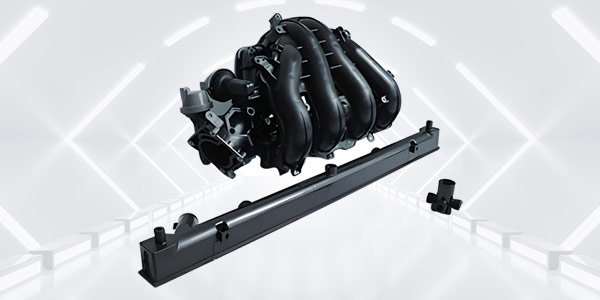
Intake Manifolds & Air Intake Ducts
Plastic has gradually replaced cast aluminum as the primary material for intake manifolds due to its lightweight properties, corrosion resistance, dimensional stability, smooth inner walls, and production efficiency. Current manufacturing technologies for plastic intake manifolds include hot melt welding and vibration friction welding.

Brake Fluid Reservoir
Brake fluid reservoirs need exceptional sealing to prevent leaks and ensure reliable braking. These safety components must contain fluid under varying pressures, temperatures, and vibration. Hot melt welding provides the precision needed for stringent specifications, creating bonds that withstand harsh conditions while meeting international safety standards.
Why Choose Dizo Custom Machine

Custom Solutions
Tailored solutions customized to your specific needs, backed by a team of 21 engineers ready to assist you anytime.

Save Your Time
Full project oversight - from initial requirements to final delivery - ensuring maximum efficiency and time savings.

Guaranteed Quality Assurance
Compliance with ISO standards ensures consistent and reliable quality throughout the process.

Professional Service Team
Our professional 20-member service team ensures seamless plastic welding machine installation and complete customer satisfaction.
Internationally Certified
Dizo custom automotive-grade automatic plastic welders are CE, ISO, and RoHS certified, guaranteeing strict adherence to global safety and quality standards.


Get Transparent Pricing & Custom Solutions for Your Production Needs
Every automated welding system delivers rapid ROI through: ✓ Precision Engineering (±0.1mm repeatability for consistent weld quality), ✓ Customized Integration (tailored tooling and material-specific parameters), and ✓ Production-Ready Performance (cycle times 80% faster than manual welding)
Join 1,200+ manufacturers worldwide who trust our plastic welding solutions for their most critical plastic assembly applications.
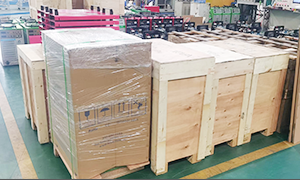
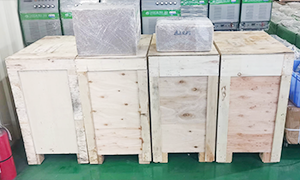
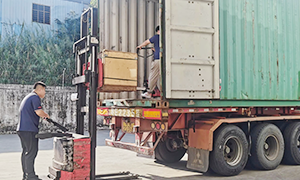
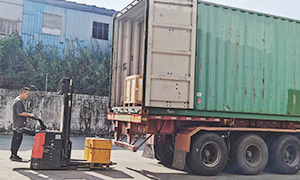
On-site Photo Record of Welding Machine Packaging Workflow
Dizo Sonics has always been committed to using eco-friendly packaging materials.
Tips for Choosing Custom Plastic Welding Machines for Automotive Components
Here are some key tips to help you choose the right custom plastic welding machine for automotive components. It's important to consider factors beyond just the price.
How can I determine which custom auto body plastic welder is suitable for my project?
To determine the most suitable custom auto body plastic welder for your project, evaluate these key factors. First, identify the specific plastic materials you're working with, as different polymers require different welding technologies and parameters. Next, consider the size and complexity of your automotive components—this determines the necessary working area and fixture requirements.
Production volume is crucial; high-volume operations benefit from fully automated systems with faster cycle times, while lower volumes may be better served by semi-automatic options. Quality requirements are paramount in automotive applications, so select machines with precise parameter controls and monitoring capabilities that ensure consistent structural integrity and aesthetic appearance.
Finally, conduct a thorough cost-benefit analysis that considers not just the initial purchase price, but also long-term operational costs, maintenance requirements, and expected service life. For best results, consult with experienced welding equipment suppliers who understand automotive industry standards and can provide application-specific guidance based on your unique requirements.
How do I choose plastic welding equipment?
Selecting the right plastic welding equipment for automotive applications requires careful consideration of several key factors. First, identify the specific thermoplastics you'll be working with (PP, ABS, PA, PC, etc.), as each material requires different welding technologies and parameters. Next, evaluate your production needs—including volume requirements, cycle time targets, and necessary precision levels.
The size and complexity of your automotive components will determine the appropriate machine specifications, including working area, fixture capabilities, and optimal welding method (ultrasonic, hot plate, vibration, laser, or infrared). For critical automotive applications, choose equipment with advanced control systems offering precise parameter management, data logging, and quality monitoring features.
Assess your factory environment constraints, such as available floor space, power supply, and integration with existing production lines. Finally, look beyond the initial investment to evaluate total ownership costs—including energy efficiency, maintenance needs, tooling expenses, and expected service life. Consulting with experienced welding equipment suppliers who understand automotive industry standards will help you find the optimal solution for your specific application.
What are the best ways for plastic welding?
The best plastic welding methods for automotive applications vary based on component requirements and production needs. Ultrasonic welding is ideal for small to medium parts that need precise, clean joins with cycle times under 3 seconds. Hot plate welding produces exceptionally strong, hermetic seals for larger components. Vibration welding effectively handles complex 3D geometries and larger assemblies while maintaining excellent structural integrity. Laser welding creates precise, aesthetically superior joins with minimal material disturbance, making it perfect for visible components. Infrared welding provides contamination-free bonds for sensitive applications.
Each method has specific advantages: ultrasonic for speed and precision, hot plate for strength and sealing, vibration for structural components, laser for aesthetic parts, and infrared for clean applications. The best choice depends on part size, material compatibility, production volume, quality requirements, and cost considerations. Many automotive manufacturers use multiple welding technologies to address various component needs throughout their production processes.
The best method depends on the specific automotive component, plastic type (PP, ABS, PA, etc.), production volume, and quality requirements. Modern vehicle manufacturing typically utilizes several complementary welding technologies to address different component needs throughout the assembly process.
What plastics are commonly used to manufacture interior automotive components?
Interior automotive components use various thermoplastics selected for their specific properties. Polypropylene (PP) is most common due to its excellent cost-performance ratio, chemical resistance, and moldability—typically used in door panels, consoles, and trim pieces. Acrylonitrile Butadiene Styrene (ABS) provides impact resistance and visual appeal for visible components like dashboard frames and control panels.
PC/ABS blends combine polycarbonate's strength with ABS's processability for durable structural elements. Polyamide (PA/Nylon) delivers superior thermal resistance and strength for mechanical components near heat sources. Other materials include Polyoxymethylene (POM) for precision mechanical parts, Thermoplastic Polyurethane (TPU) for soft-touch surfaces, and Thermoplastic Elastomers (TPE) for flexible components.
Material selection depends on mechanical requirements, appearance, weight, recyclability, and cost-effectiveness to meet modern automotive standards.
How do you guarantee the quality of your custom auto plastic welders?
At Dizo Sonics, we guarantee the quality of our custom auto plastic welders through a comprehensive quality assurance process. Each machine undergoes rigorous testing during production, with multiple quality checkpoints to ensure exceptional performance and reliability. Our welding systems meet or exceed IATF 16949 automotive quality standards, supporting the strict requirements of vehicle manufacturers worldwide.
We maintain detailed quality documentation, including calibration certificates and material traceability records. All critical components come from reputable suppliers with proven track records in automotive applications. Before shipment, every machine undergoes extensive testing with customer-specific parameters and materials to verify performance.
Our quality commitment continues after delivery through thorough installation validation, on-site training, and responsive technical support. We provide preventive maintenance programs and software updates to maintain optimal performance throughout the equipment's lifecycle. Our welding systems include advanced process monitoring that continuously verifies weld quality and automatically rejects non-conforming parts, preventing quality issues from reaching final assembly. This comprehensive quality assurance approach has earned us the trust of leading automotive manufacturers who rely on our equipment for mission-critical applications.
Where can I purchase a high-quality plastic welding machine?
Small fabrication shops seeking high-quality plastic welding equipment have several purchasing options. Established suppliers like Branson, Herrmann Ultrasonics, and Dukane offer professional-grade machines with comprehensive support.
Regional distributors provide localized service and often carry multiple brands. Online marketplaces such as Alibaba, IndiaMART, and Direct Industry connect buyers with manufacturers worldwide, though careful vetting is essential.
Used equipment dealers and auction sites offer cost-effective alternatives for budget-conscious shops, but machines should be thoroughly inspected before purchase. For specialized automotive applications, working directly with manufacturers like Dizo Sonics ensures proper customization.
When investing in welding equipment, look beyond price to consider technical support, spare parts availability, warranty terms, and compatibility with your specific materials and production requirements.
What plastic welding tools are best for car dashboard components?
For car dashboard components, ultrasonic welding tools are the preferred option as they deliver precise joining without damaging sensitive electronics or visible surfaces. When welding dash mounts, select ultrasonic welders with adjustable frequency (20-40kHz) and amplitude controls to handle various dashboard thermoplastics (ABS, PC/ABS blends, PP).
For mounting brackets and supports, vibration welding systems work best for larger structural elements requiring higher strength. For visible components, laser welding provides superior aesthetics with nearly invisible weld lines.
Key considerations for dashboard welding include:
- Tooling design that handles complex 3D geometries
- Non-marking fixtures to protect surfaces
- Precise energy directors for optimal weld strength
- Parameter monitoring systems for consistent quality
- Quick-change capabilities for different dashboard variants
Always test welding parameters on sample parts before production to verify both aesthetic quality and structural integrity across various temperature conditions.
Does Dizo Sonics have experience welding plastic bumpers?
Yes, we have extensive experience welding plastic bumpers for automotive applications. Our specialized ultrasonic welding technology excels with large components like bumpers, typically made from polypropylene (PP) or thermoplastic olefin (TPO). We've implemented production lines that deliver consistent, high-strength welds meeting strict OEM specifications for both crash performance and aesthetics.
Our bumper welding systems feature customized fixtures for complex geometries, advanced process monitoring for weld integrity, and optimized cycle times for high-volume production. We help automotive manufacturers integrate these systems with their existing assembly lines while maintaining IATF 16949 quality standards.
Our expertise extends to both front and rear bumper assemblies, including specialized applications such as integrated sensor housings for ADAS systems and reinforced mounting points for accessories. We offer solutions for new production lines and can retrofit existing systems to enhance efficiency and quality.
Purchasing Guide: Dizo Custom Plastic Welding Machines
Dizo Sonics provide comprehensive automatic plastic welding solutions for automotive interior and exterior parts. Follow these steps to complete the process:
-
STEP 1
Sample Evaluation & Technical Review
Conduct a detailed assessment of automotive part samples, including material composition, dimensional tolerances, and welding requirements. Verify compliance with industry standards (e.g., ISO, AWS, OEM specifications).
-
STEP 2
Feasibility Analysis & Process Validation
Evaluate welding techniques (e.g., ultrasonic welding, vibration welding, hot melt welding) for compatibility with part geometry and material properties. Perform simulations or preliminary tests to validate process feasibility.
-
STEP 3
Prototype Development & Testing
Design and fabricate functional prototypes using approved welding methodologies. Conduct rigorous performance testing (e.g., tensile strength, weld integrity, repeatability) under simulated production conditions.
-
STEP 4
Customer Review & Approval
Present prototype test results, including metrology reports and weld quality analysis. Incorporate customer feedback and finalize design specifications.
-
STEP 5
Commercial Quotation & Proposal
Submit a formal quotation, including: Machine specifications (cycle time, capacity, automation level) Compliance with safety and regulatory standards (CE, OSHA, etc.) Payment terms, lead time, and after-sales support.
-
STEP 6
Purchase Order Confirmation
Confirm all technical, commercial, and delivery terms in the purchase agreement. Document approval of final drawings and performance benchmarks.
-
STEP 7
Precision Manufacturing & Assembly
Fabricate the welding machine using CNC machining, robotic integration, and calibrated tooling. Implement in-process quality controls (e.g., dimensional checks, weld sample validation).
-
STEP 8
Quality Assurance & Compliance Testing
Conduct Factory Acceptance Testing (FAT) to verify: Weld consistency (destructive/non-destructive testing) Machine repeatability (CP/CPK analysis) Safety interlocks and ergonomic compliance.
-
STEP 9
Delivery, Installation & Commissioning
Coordinate logistics for machine transportation and on-site installation. Perform Site Acceptance Testing (SAT) with customer oversight.
-
STEP 10
Operational Training and Long-term Support
Provide hands-on training for machine operation, maintenance, and troubleshooting. Offer extended support (warranty, spare parts, remote diagnostics).
FAQs
Here are some frequently asked questions to consider before selecting a custom automotive plastic welder for your products.