

- Plastic Welding Equipment |
- Techniques |
- Welding Cases |
- Why Choose Dizo |
- Certification |
- Packaging |
- Cooperate Steps |
- FAQs


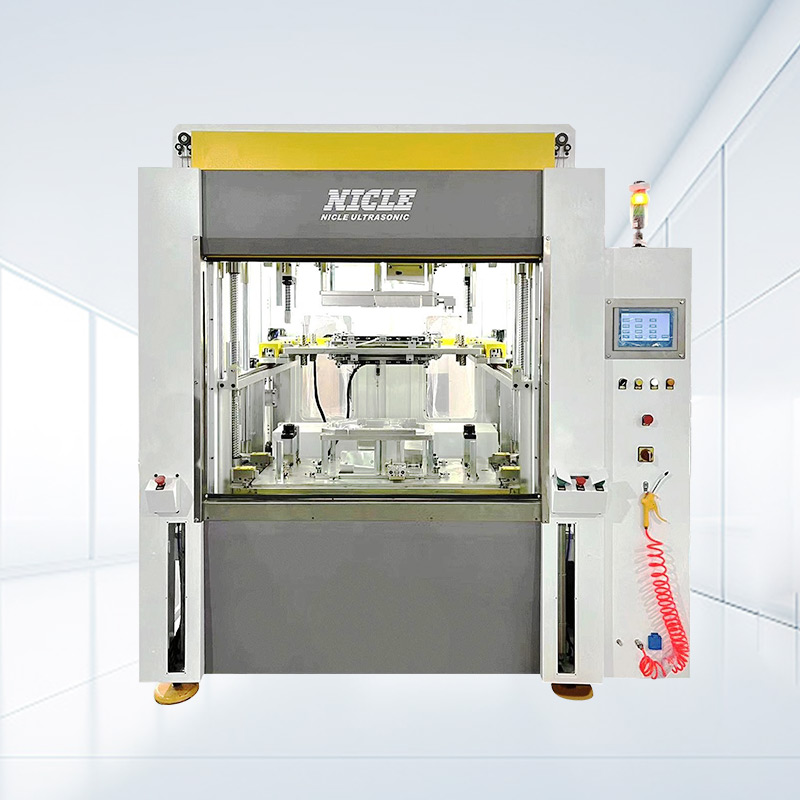


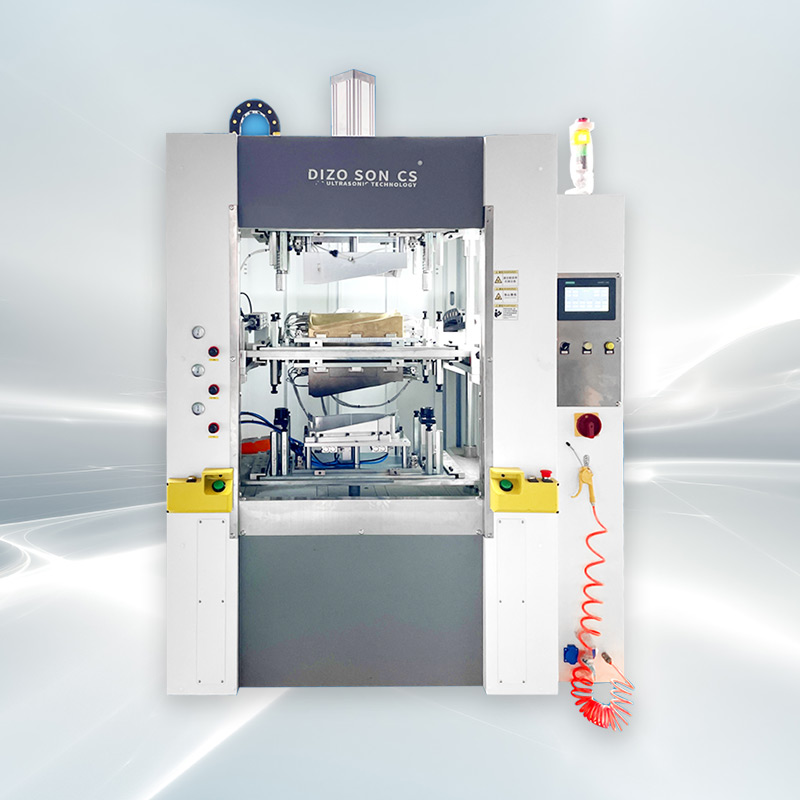
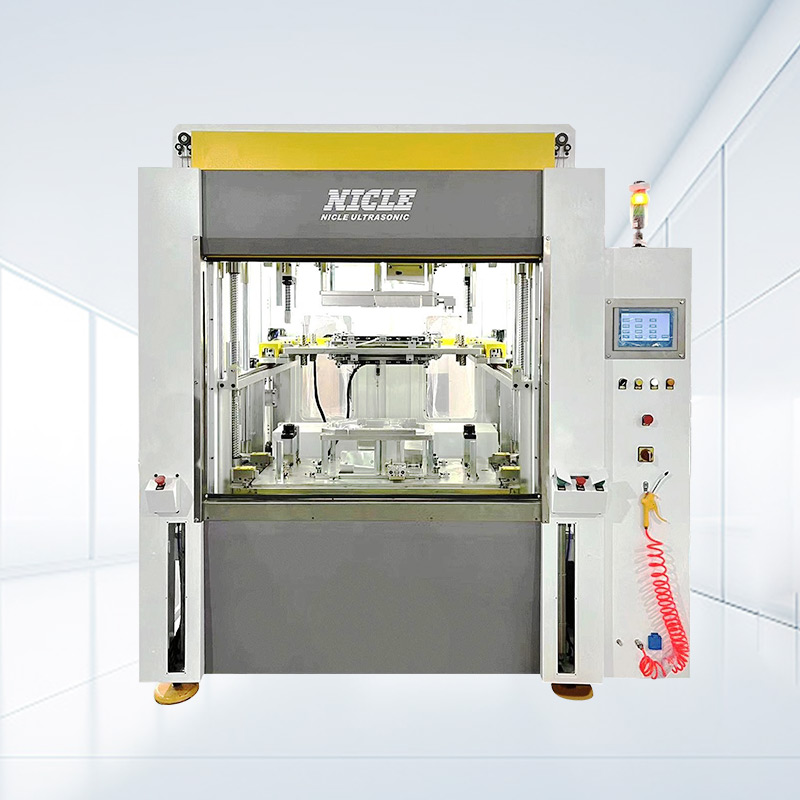


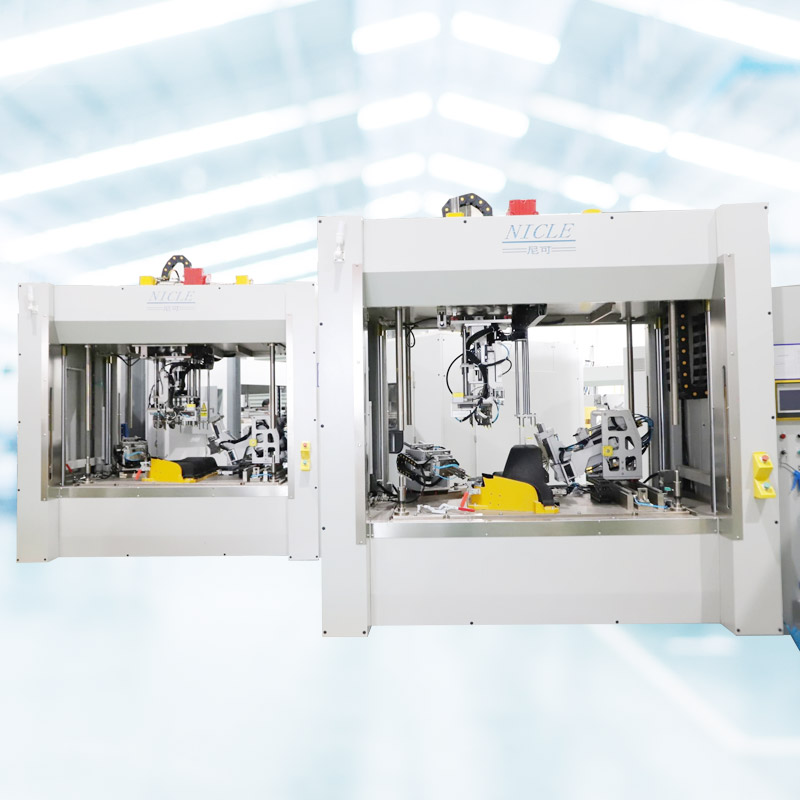
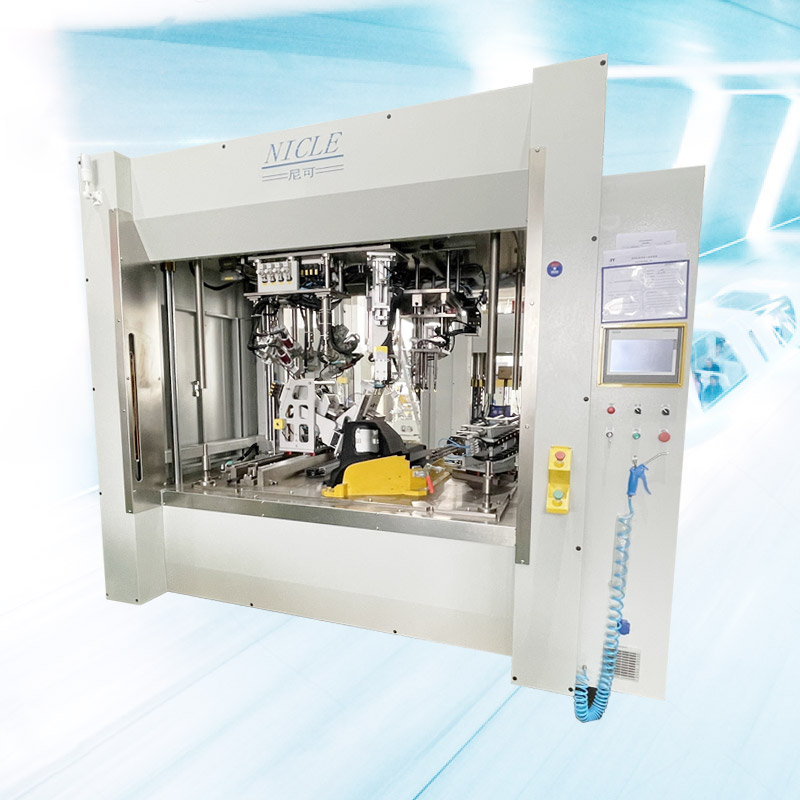
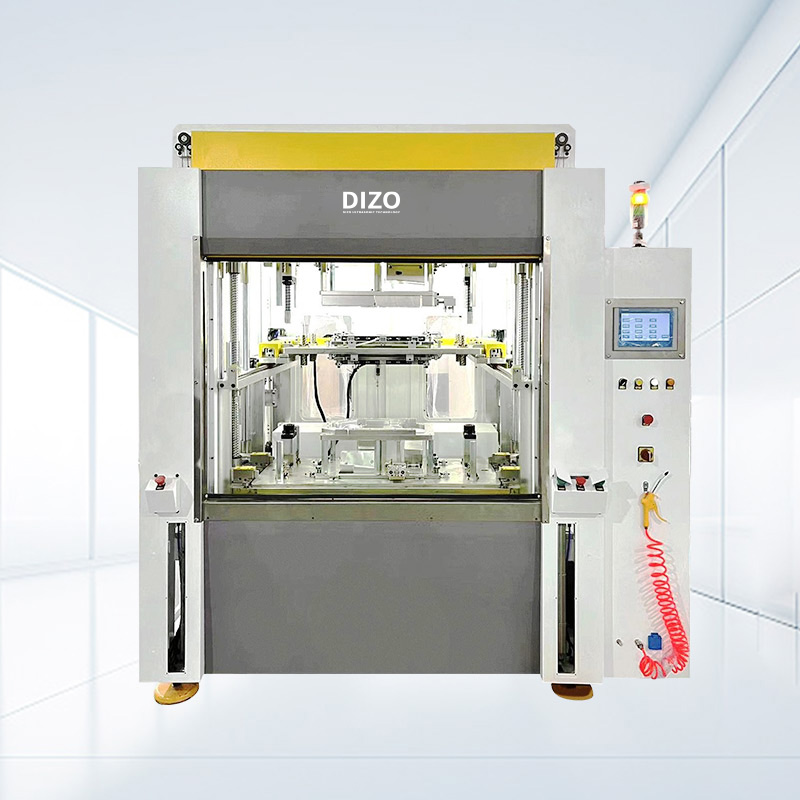
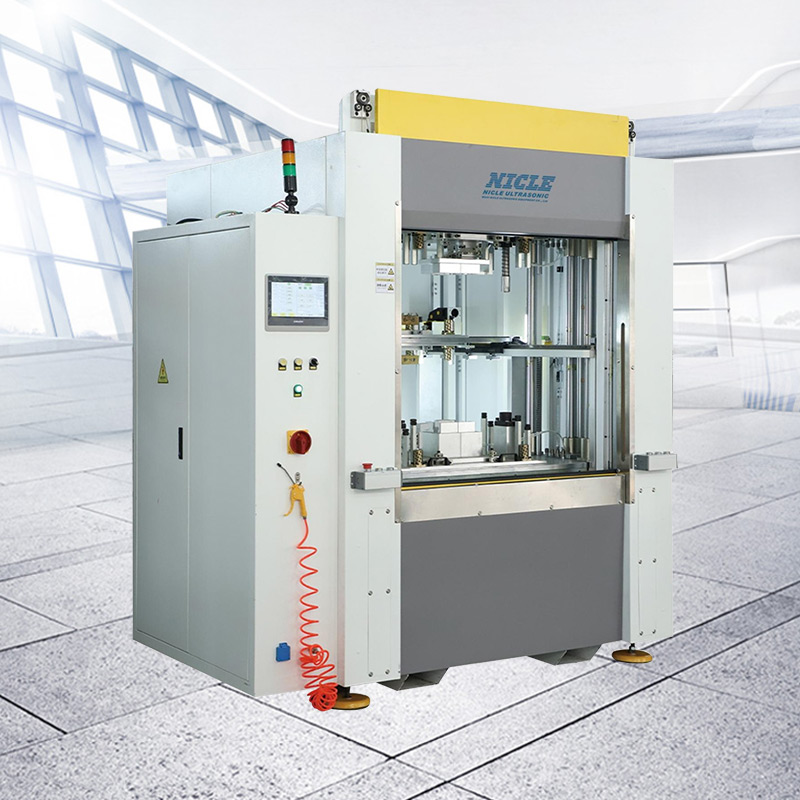
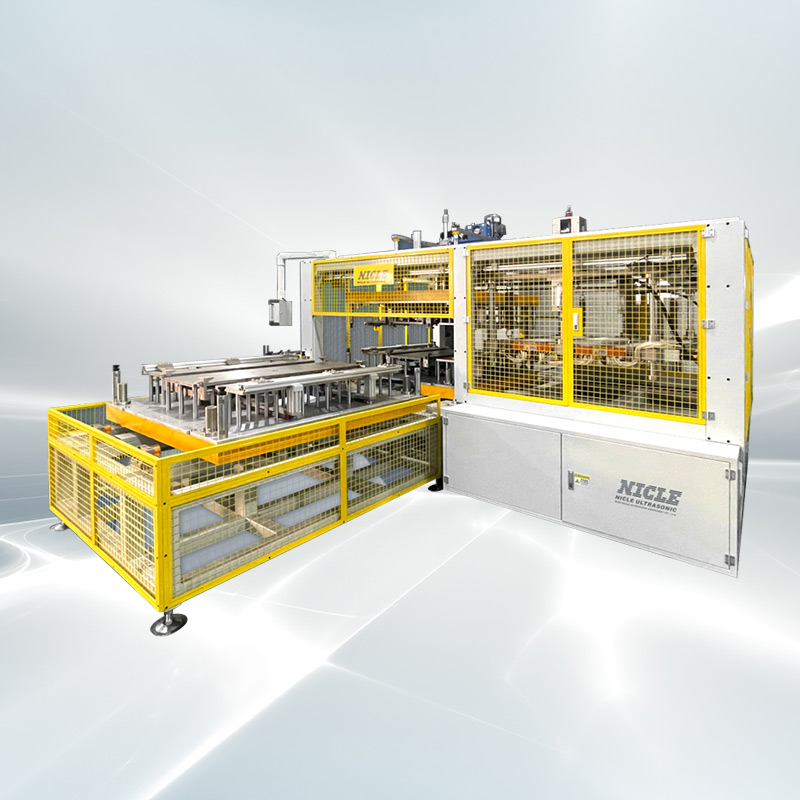
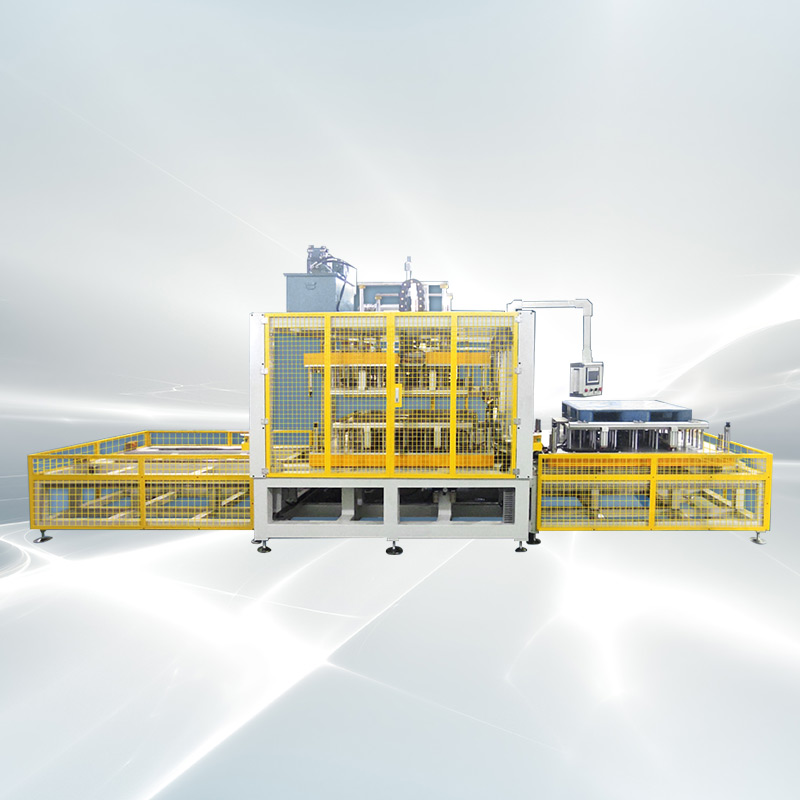
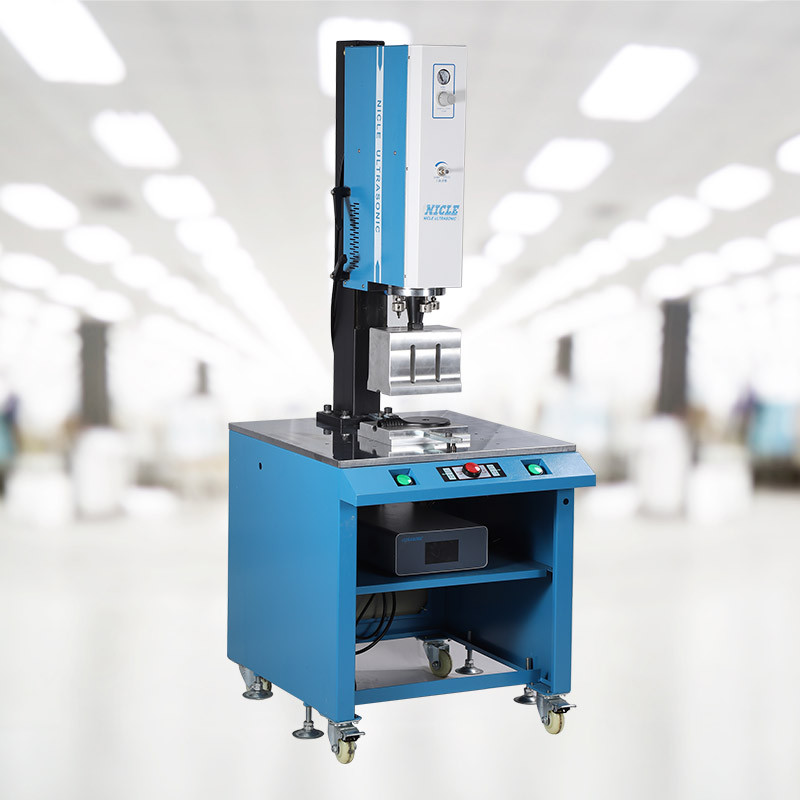
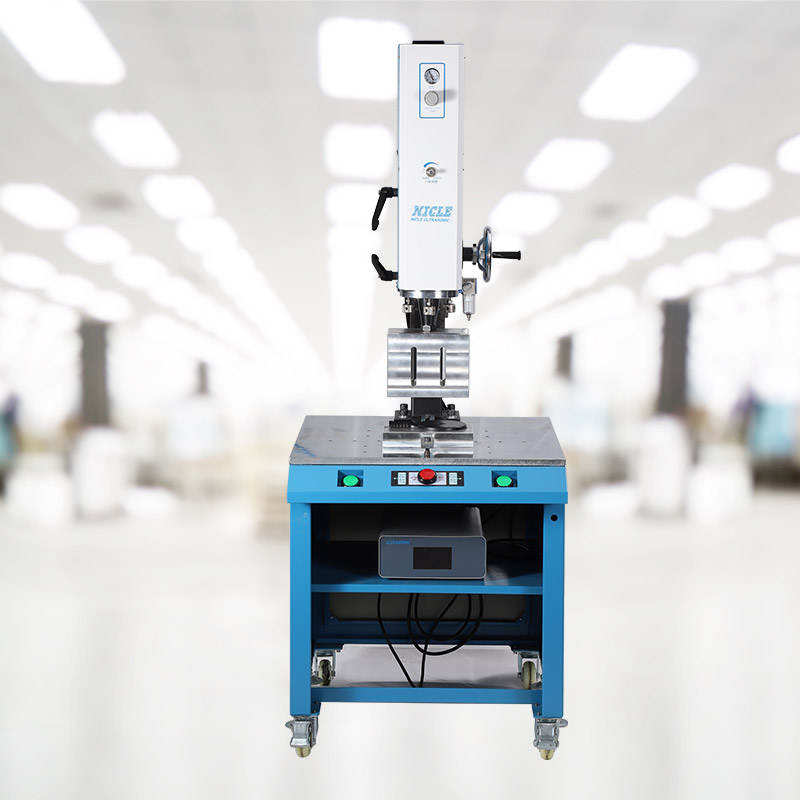
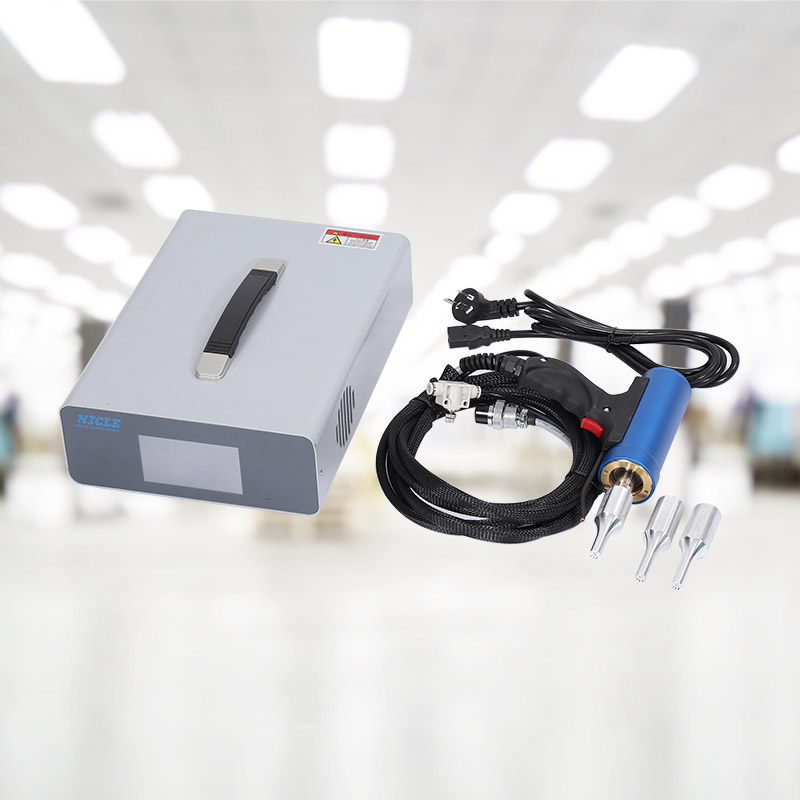
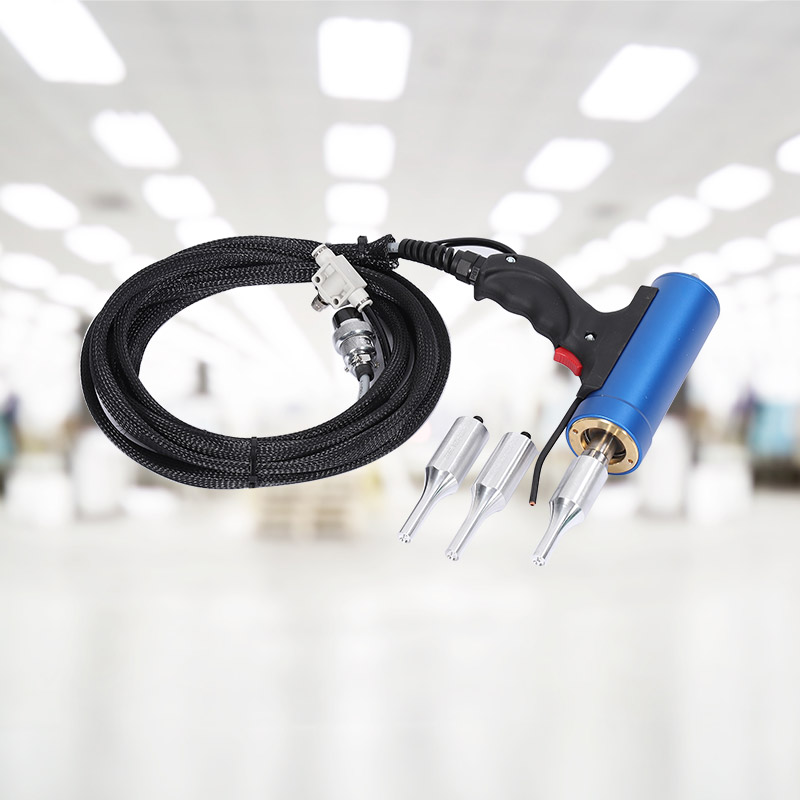
Precision Plastic Welding Solutions for Automotive Manufacturing
Automotive plastic components require tailored welding approaches. Dizo Sonics offers specialized ultrasonic, hot plate, and vibration welders - plus custom hybrid solutions - to meet exact production demands.
Our plastic welding equipment sale helps manufacturers achieve higher efficiency and flawless weld quality. From compact modules to large-scale systems, we deliver optimal solutions for any application.
Custom-engineered welding systems handle complex tasks like instrument panel assembly with perfect surface finishes and micron-level precision. Let's optimize your automotive welding process today.
Schedule a Technical Consultation + Free Application Analysis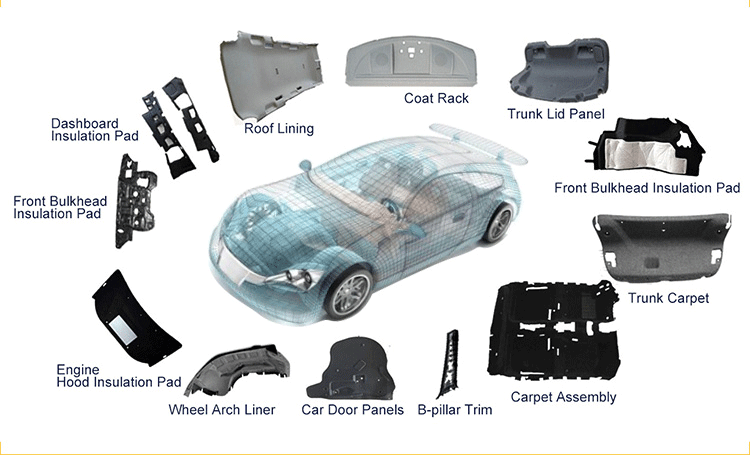
Welding Cases
Dizo Sonics plastic welding equipment is now available at special rates, providing complete solutions for all plastic part manufacturing needs.
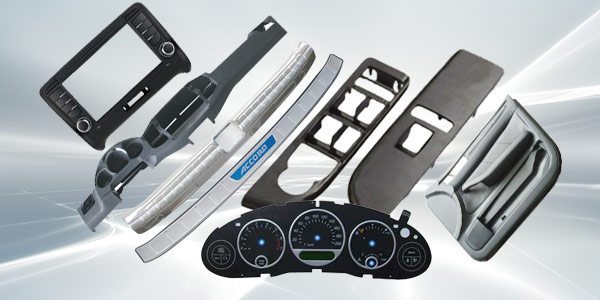
Hot Plate Plastic Welding for Automotive Interior Parts Manufacturing
Hot plate plastic welding equipment is essential in automotive manufacturing for precisely joining interior components. This technology effectively bonds key parts including door panels, acoustic insulation boards, trim panels, dashboards, instrument clusters, and glove compartments - maintaining structural integrity while complying with stringent industry standards.
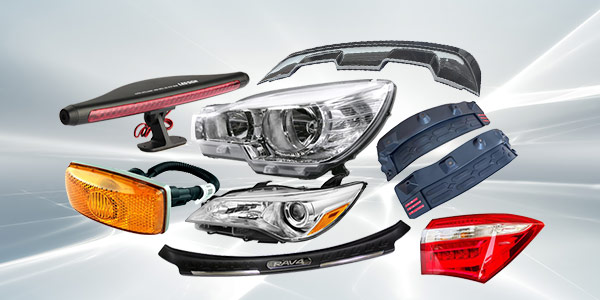
Hot Plate Plastic Welding for Automotive Exterior Components Manufacturing
Dizo Sonics hot plate welding system bonds critical exterior parts including safety components (taillights, signals, brake clusters), aerodynamic elements (spoilers, diffusers), and protective assemblies (wheel liners, bumper panels). Our technology guarantees structural integrity with Class-A finishes, consistently exceeding automotive industry standards for durability and aesthetics.
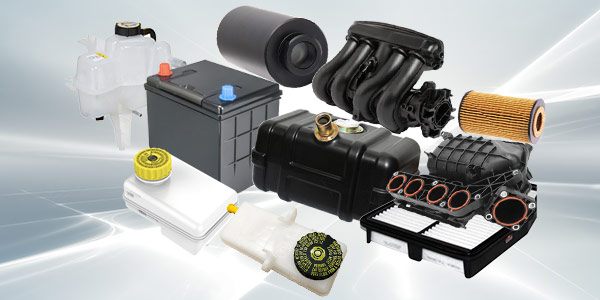
Hot Plate Plastic Welding for Automotive Functional Components Manufacturing
Dizo Sonics hot plate welding technology enables precision manufacturing of critical automotive functional parts including fuel systems (plastic fuel tanks, intake manifolds), thermal management components, and vital enclosures. The process ensures leak-proof structural integrity and durability for all filtration systems and air intake assemblies, meeting stringent automotive standards.
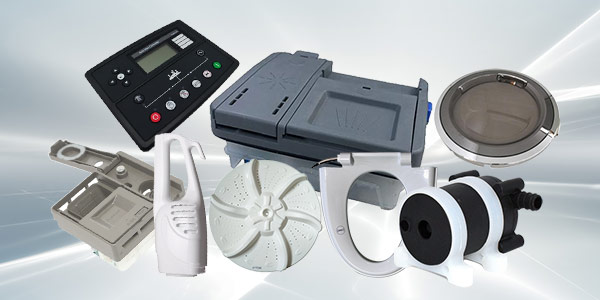
Hot Plate Welding Solutions for Appliance Manufacturing
Dizo Sonics ultrasonic welding systems join critical electronics components including smartphone housings, headphone cases, tablet parts, smartwatch enclosures, and device frames. Our technology ensures IP-rated water/dust protection while maintaining structural integrity and flawless aesthetics—meeting strict electronics industry standards.
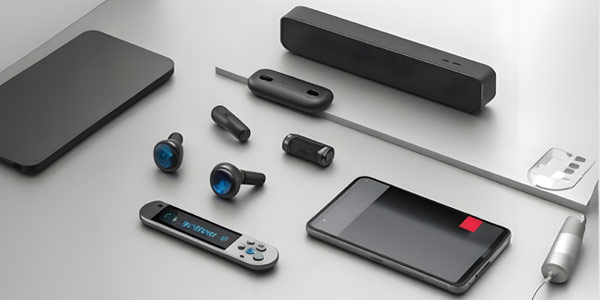
Ultrasonic Welding Solutions for Consumer Electronics
Dizo Sonics ultrasonic welding systems provide precision joining for critical electronics components including smartphone housings, headphone cases, tablet/laptop parts, smartwatch enclosures, and portable device frames. Our advanced welding technology guarantees IP-rated water/dust resistance while maintaining structural integrity and flawless cosmetic surfaces - meeting stringent electronics industry standards for both protection and design.
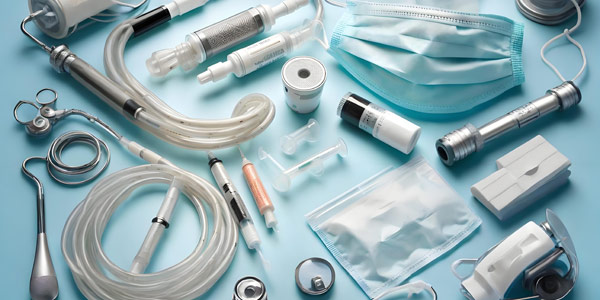
Precision Ultrasonic Welding for Medical Device Manufacturing
Dizo Sonics ultrasonic welders deliver cleanroom solutions for medical components like catheters, dialysis equipment, and surgical supplies. ISO 13485-compliant processes create hermetic seals while maintaining biocompatibility (USP Class VI tested), meeting FDA and ISO 11607-1 requirements. All welds include validation documentation and lot traceability for regulatory compliance.
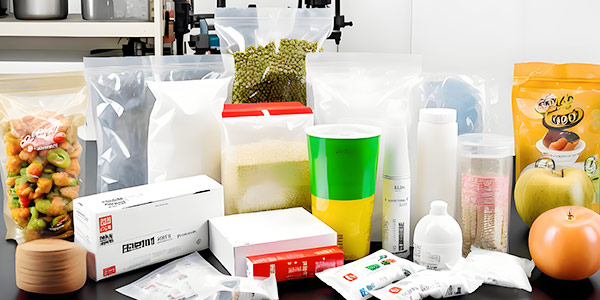
Ultrasonic Sealing Solutions for Packaging
Dizo Sonics ultrasonic sealing creates contaminant-free closures for food, pharmaceutical, cosmetic, and household packaging. Our systems provide hermetic seals maintaining freshness while meeting FDA, EU, and ASTM standards. Cold-sealing prevents heat degradation, protecting contents. Each solution includes validation documentation and complies with international regulations.
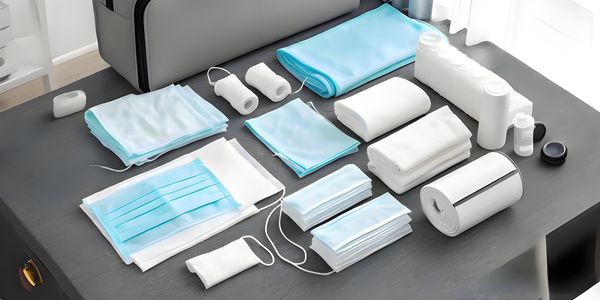
Ultrasonic Nonwoven Fabric Welding Solutions
Dizo Sonics ultrasonic welding bonds medical PPE, automotive interiors, textiles, filtration systems, and hygiene products with adhesive-free precision edge sealing (under 0.5mm tolerance). Our systems preserve material integrity through controlled energy, meeting medical (ISO 13485), automotive (ISO/TS 16949), and hygiene standards at speeds up to 120 cycles per minute.

Ultrasonic Welding Solutions for Toy Manufacturing
Dizo Sonics ultrasonic welding creates child-safe bonds for toys including vehicle housings, electronic enclosures, building blocks and doll parts. Our process meets international safety standards (EN71, ASTM F963, CPSIA) while maintaining material integrity, producing durable welds. The lead-free system ensures traceability and validation for consistent quality across toy applications.
Why Choose Dizo Custom Plastic Welding Machines

Custom Solutions
Tailored solutions customized to your specific needs, backed by a team of 21 engineers ready to assist you anytime.

Save Your Time
Full project oversight—from initial requirements to final delivery—ensuring maximum efficiency and time savings.

Guaranteed Quality Assurance
Compliance with ISO standards ensures consistent and reliable quality throughout the process.

Professional Service Team
Our professional 20-member service team ensures seamless plastic welding machine installation and complete customer satisfaction.
International Certifications
Our plastic welding machines carry CE, ISO, and RoHS certifications, ensuring full compliance with stringent international standards.



Get Transparent Pricing & Custom Solutions for Your Production Needs
Every automated welding system delivers rapid ROI through: ✓ Precision Engineering (±0.1mm repeatability for consistent weld quality), ✓ Customized Integration (tailored tooling and material-specific parameters), and ✓ Production-Ready Performance (cycle times 80% faster than manual welding)
Join 1,200+ manufacturers worldwide who trust our plastic welding solutions for their most critical plastic assembly applications.
Request Your Custom Quote
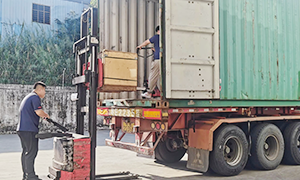
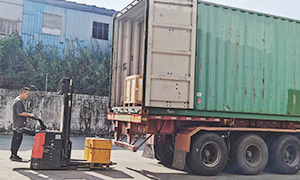
On-site Photo Record of Welding Machine Packaging Workflow
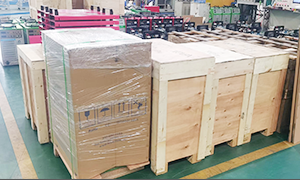
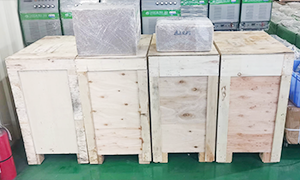
Purchasing Guide: Dizo Custom Plastic Welding Machines
Dizo Ultransonic provide comprehensive plastic welding solutions for automotive interior and exterior parts. Follow these steps to complete the process:
-
STEP 1
Sample Evaluation
We analyze your automotive parts' materials, dimensions, and welding needs while verifying ISO/OEM compliance.
-
STEP 2
Feasibility Study
Our engineers validate the optimal welding process (ultrasonic/vibration/etc.) through simulations and material testing.
-
STEP 3
Prototyping
We develop functional prototypes and conduct strength, integrity, and repeatability tests under production conditions.
-
STEP 4
Customer Validation
You receive test reports and metrology data for review before we finalize specifications.
-
STEP 5
Commercial Proposal
We submit a detailed quote covering machine specs, compliance certifications, and support terms.
-
STEP 6
Order Confirmation
Final drawings, performance benchmarks, and commercial terms are formally approved.
-
STEP 7
Precision Build
Your machine is manufactured with CNC/robotic systems under strict quality controls.
-
STEP 8
Quality Certification
Factory Acceptance Testing confirms weld consistency, safety compliance, and production readiness.
-
STEP 9
Deployment
We handle installation and perform Site Acceptance Testing with your team.
-
STEP 10
Lifetime Support
Comprehensive training and long-term maintenance/warranty services ensure peak performance.
Tips for Choosing Custom Plastic Welding Machines
Here are some key tips to help you choose the right custom plastic welding machine. It's important to consider factors beyond just the price.
How do I choose plastic welding equipment?
Selecting the right plastic welding equipment requires a systematic approach. First, identify your specific materials - different thermoplastics (PP, ABS, PA, etc.) need different welding technologies. Next, evaluate your production requirements: part size, geometry complexity, volume needs, and cycle time targets will all guide your choice.
Compare welding technologies based on your application needs:
- Ultrasonic welding delivers speed (typically <3 seconds) and precision for small to medium parts
- Hot plate welding creates strong, hermetic seals for larger components
- Vibration welding handles complex 3D geometries with excellent structural integrity
- Laser welding provides aesthetically superior joins with minimal material disturbance
- Infrared welding offers contamination-free bonds for sensitive applications
Consider practical factors too: floor space, power requirements, integration with existing production systems, and total ownership costs beyond the initial investment. Quality control features are crucial for critical applications—look for systems with parameter monitoring, data logging, and traceability options.
For best results, consult with experienced equipment suppliers who understand your industry standards and can provide application-specific guidance. Test your actual materials with sample runs to verify performance before making your final decision.
+
What are the common applications for automatic welding machines?
Automatic welding machines significantly boost productivity in plastic manufacturing across various applications. These systems efficiently join thermoplastic components in automotive production lines, creating dashboards, bumpers, and interior assemblies with consistent quality. They're essential in electronics manufacturing, where they weld housings and connectors with precision and speed.
In medical device production, automatic welders create hermetic seals for fluid containers and sterile packaging. Consumer goods manufacturing also benefits from the high-volume production of housings and assemblies. The key productivity advantages include:
- Rapid cycle times (often under 1 second per weld)
- Elimination of consumables like adhesives
- Consistent quality through parameter monitoring
- Reduced labor costs through automation
- Integration capabilities with production lines
Modern systems feature real-time quality monitoring and seamless production line integration, giving manufacturers higher throughput and lower operational costs compared to traditional joining methods.
+
Where can I purchase a high-quality plastic welding machine?
High-quality plastic welding machines are available from several reliable sources. Leading manufacturers like Branson, Herrmann Ultrasonics, and Dukane offer premium equipment with comprehensive technical support and warranty services. For specialized automotive applications, companies like Dizo Sonics provide custom solutions tailored to specific production needs.
Regional distributors and authorized resellers offer localized service and maintenance with quicker response times and better parts availability. These distributors typically carry multiple brands, allowing you to compare options before purchase.
For budget-conscious buyers, certified refurbished equipment from reputable dealers provides cost-effective alternatives without significant quality compromises. When purchasing welding equipment, look beyond the initial price to consider:
- Technical support availability and response time
- Spare parts accessibility and lead times
- Training programs for operators
- Compatibility with your specific materials
- Software updates and ongoing development
- Warranty terms and service agreements
Before finalizing any purchase, request material testing and machine demonstrations to ensure the equipment meets your specific production requirements.
+
What is the current state of automation in welding?
The welding industry is undergoing rapid transformation through automation and robotics integration. Modern robotic welding systems now feature advanced vision systems and AI-driven quality control that detect and adjust for material variations in real-time. These smart systems significantly reduce defects while boosting throughput.
The welding industry is undergoing rapid transformation through automation and robotics integration. Modern robotic welding systems now feature advanced vision systems and AI-driven quality control that detect and adjust for material variations in real-time. These smart systems significantly reduce defects while boosting throughput.
Recent innovations include multi-material welding capabilities for joining dissimilar plastics—critical for lightweighting in automotive applications. Digital twin technology allows manufacturers to simulate and optimize welding processes before physical implementation, reducing setup time and material waste.
Manufacturing labor shortages have accelerated automation adoption, with welding robots becoming more affordable and user-friendly for small and medium enterprises. This democratization of automation is reshaping the competitive landscape across plastic manufacturing sectors.
+
What applications suit custom plastic welding?
Custom plastic welding serves diverse industries with specialized applications. In automotive manufacturing, it creates dashboards, door panels, bumpers, and under-hood components with precise joins that maintain structural integrity. Medical device manufacturing depends on custom welding for fluid delivery systems, diagnostic equipment housings, and implantable devices requiring biocompatibility and sterilization resistance.
Industrial applications feature large tanks, pressure vessels, and chemical containment systems where leak-proof bonds are essential. HVAC systems use custom-welded air ducts to maintain pressure integrity and prevent contamination. Water treatment facilities employ custom plastic welding for MBR (Membrane Bioreactor) membranes, where consistent pore size and strength ensure effective filtration.
Environmental control systems use custom welding for amine scrubbers in carbon capture applications that face corrosive conditions. Custom welding is also vital for consumer electronics (waterproof enclosures), packaging (hermetic seals), and renewable energy components (solar panel frames and wind turbine parts). Each application requires specific welding parameters, joint designs, and material selections to ensure optimal performance and durability under unique operating conditions.
+
What materials do you work with for custom plastic welding?
At Dizo Sonics, we work with a wide range of thermoplastics for custom welding applications. Our expertise covers common materials like High-Density Polyethylene (HDPE), Acrylonitrile Butadiene Styrene (ABS), various Nylon grades (PA6, PA66, PA12), and Polycarbonate (PC). We also specialize in welding Polypropylene (PP) and PP compounds commonly used in automotive applications.
Our advanced ultrasonic welding technology effectively joins engineering plastics including Polyoxymethylene (POM/Acetal), PC/ABS blends, Thermoplastic Polyurethane (TPU), and Polyethylene Terephthalate (PET). For specialized applications, we can process Polymethyl Methacrylate (PMMA/Acrylic), Polystyrene (PS), and various Thermoplastic Elastomers (TPE).
Each material needs specific welding parameters and joint designs for optimal strength and appearance. Our engineering team has developed proprietary processes for challenging materials such as glass-filled compounds and flame-retardant materials. We offer material compatibility testing for your specific application to ensure high-quality welds that meet your performance requirements.
+
Which plastics cannot be welded?
Not all plastics can be welded effectively. Thermoset plastics (epoxy, polyurethane, and melamine) cannot be welded because they form chemical cross-links during curing that prevent re-melting. Highly crystalline fluoropolymers like PTFE (Teflon) resist traditional welding due to their high melting points and low surface energy.
High-temperature engineering plastics such as PEEK and PPS demand specialized equipment and precise control. Cross-linked polyethylene (PEX) cannot undergo fusion welding after cross-linking occurs. Incompatible plastic combinations (such as PP to PVC) cannot be directly welded together because of their different melting points and chemical structures.
Material quality also matters—plastics with UV damage, contamination, or certain flame retardants often create weak joints. For these challenging materials, consider alternative joining methods like adhesive bonding, mechanical fastening, or specialized dissimilar material welding techniques.
+
The Technology Behind Automatic Plastic Welding Machines
Automatic plastic welding machines use advanced technologies to create strong, reliable bonds between thermoplastic components. These systems work by converting energy into localized heat at the joint interface, melting and fusing materials together. Modern machines offer various welding methods tailored to specific applications:
Ultrasonic welding generates friction heat through high-frequency vibrations (20-40 kHz), making it ideal for small to medium-sized components that need precise, clean joins. Laser welding uses concentrated light energy to create visually appealing welds with minimal material disturbance—perfect for visible components. Hot plate welding applies direct conductive heat to create strong, hermetic seals on larger parts, while vibration welding handles complex 3D geometries effectively through low-frequency mechanical movement.
Advanced control systems enhance these technologies with precise parameter regulation, real-time monitoring, and data collection. Industry 4.0 integration enables predictive maintenance, process optimization, and seamless communication with production management systems. Modern machines also feature automation such as robotic part handling, vision systems for quality checks, and self-adjusting parameters that compensate for material variations—all of which improve throughput while ensuring consistent weld quality.
+
How does ultrasonic plastic welding integrate into custom automation?
Ultrasonic plastic welding integrates seamlessly into custom automation systems through specialized modules and robotics. These systems use custom fixtures that precisely position components while maintaining the tight tolerances needed for high-quality welds. Ultrasonic welding stations can be incorporated into linear transfer systems, rotary indexing tables, or multi-station assembly cells based on production needs.
Modern integration approaches include vision-guided robotic placement for perfect part alignment, conveyor systems with RFID tracking for part identification, and servo-controlled welding heads that adjust parameters in real-time based on material feedback. These automation capabilities make ultrasonic welding ideal for high-volume manufacturing where consistency and speed are critical.
The integration process typically includes these key components:
- PLC-controlled sequencing to synchronize with other assembly operations
- Automated part loading/unloading systems
- Real-time quality monitoring with automatic rejection of defective welds
- Data collection systems for process validation and traceability
- Quick-change tooling for rapid product changeovers
This integration enables manufacturers to achieve higher throughput, consistent quality, and reduced labor costs while maintaining the flexibility to adapt to changing production needs.
+
What are the advantages and disadvantages of using ultrasonic welding?
Ultrasonic welding provides key advantages in automotive and electronics manufacturing. Benefits include fast cycle times (under 1 second), energy efficiency, clean joins without additives, and consistent results through precise parameter control. The process creates strong molecular bonds, preserves sensitive electronics, and works effectively with thin materials. It's also environmentally friendly, producing no fumes or waste.
Despite these advantages, ultrasonic welding has limitations. It's restricted to small parts (generally under 250mm) and requires compatible materials (typically thermoplastics with similar melting points). The process demands precisely designed joint geometry and specific part design features like energy directors. The initial equipment cost exceeds some alternatives, and material thickness constraints apply. Highly crystalline or filled polymers present welding challenges, and the high-frequency noise generated may require hearing protection.
In automotive and electronics applications, ultrasonic welding is ideal for dashboard components, sensor housings, connectors, and circuit assemblies where clean, precise, and rapid joining is essential.
+
How Ultrasonic Welding Machines Work For Plastic Manufacturing Companies?
Ultrasonic welding machines transform plastic manufacturing by converting electrical energy into high-frequency mechanical vibrations (20-40 kHz). When applied to thermoplastic components under pressure, these vibrations create localized frictional heat at the joint interface, temporarily melting the plastic at the molecular level and forming strong bonds as it cools.
In production environments, operators first place plastic parts in specialized fixtures for precise alignment. When activated, the machine's power supply generates electrical energy that a piezoelectric transducer converts to mechanical vibrations. These vibrations then travel through an acoustic stack (booster and sonotrode/horn) to the workpiece.
Manufacturers benefit from rapid cycle times (often less than 1 second), energy efficiency, and elimination of consumables like adhesives or fasteners. This technology is particularly valuable for automotive components, medical devices, and consumer electronics where clean, precise joints are essential.
Modern systems feature real-time weld quality monitoring and automation capabilities that integrate seamlessly with production lines. This provides manufacturers with higher throughput, consistent quality, and lower labor costs compared to traditional joining methods.
+
What safety features are in custom welding machines?
Custom welding machines feature comprehensive safety systems that protect operators and maintain production integrity. Modern systems include certified laser safety measures with protective enclosures, interlocked access panels, beam path protection, and Class 1 enclosure compliance. Emergency stop buttons are prominently positioned to immediately halt all machine functions and require manual reset before operation resumes.
These machines utilize advanced sensing technologies such as light curtains that detect operator presence in danger zones, pressure-sensitive mats that trigger shutdown when stepped on, and two-hand control systems that prevent operation unless both hands are safely positioned. Automated machines feature door interlocks that prevent access during operation and motion detection systems that stop movement when obstacles are detected.
Safety features also include overpressure protection, temperature monitoring to prevent overheating, fume extraction for air quality control, and electrical safeguards like ground fault protection and proper insulation. Most custom welding systems provide operational safety through HMI interfaces with permission-based access and automated fault diagnosis with clear error messages.
These safety systems comply with international standards including ISO 13849 (Safety of machinery), ANSI Z136.1 (Safe Use of Lasers), and regional electrical safety regulations to ensure both operator protection and regulatory compliance.
+
FAQs About Automated Plastic Welding
Here are some common questions to help you choose the right automated welder for your needs.

How do I know which automatic welding machine is right for my project?
-
What's the minimum order quantity (MOQ)?
+
How do you ensure the quality of your automatic welding equipment?
+
What's the delivery time?
+
What's the warranty?
+
How often should the automated welding machine be serviced?
+
What's your refund or replacement policy?
+
Ready to Transform Your Plastic Welding Process?
Get Expert Guidance, Custom Solutions, and Competitive Pricing - All in One Place
-

Free Application Analysis
Not sure which technology fits your needs?
"Get a professional assessment of your materials, joint design, and production requirements." -

Expert Solution Consultation
Need technical guidance?
"Schedule a one-on-one consultation with our senior welding engineers." -

Custom Quotation
Ready for precise pricing?
"Receive a detailed proposal with specifications and delivery timeline."
Free Technical Consultation & Application Analysis
Leave Your Inquiry - Customized solutions for your specific applications
- Email: sales@dizo-global.com
- Whatsapp: +86 18121506765