


Are inconsistent stake formations and high rework rates impacting your production efficiency? As manufacturing engineers and procurement specialists in automotive, medical device, and electronics sectors, you need reliable data to select optimal plastic joining solutions. This comprehensive guide provides a structured framework for evaluating ultrasonic staking welders, including detailed price analysis, system configurations, and integration strategies---supported by technical comparisons, TCO templates, and validated implementation protocols.
1.Why Ultrasonic Staking Addresses Critical Production Challenges
In high-volume manufacturing environments, stake quality inconsistencies can generate up to 8% rework rates, directly impacting profitability. Ultrasonic staking welders utilize high-frequency mechanical vibrations (20-50 kHz) to create localized heat through friction, reforming plastic bosses into reliable mechanical locks without adhesives or fasteners.
Identifying Production Pain Points in Plastic Assembly
Manufacturers across industries face similar challenges with mechanical fastening and adhesive bonding methods:
- Seal Integrity Failures: Automotive components experience leak rates exceeding 5% due to incomplete stake formation
- Yield Reduction: Suboptimal staking parameters cause scrap rates averaging 5-10% in electronics enclosure assembly
- Cycle Time Inefficiency: Traditional methods require 5-10 seconds per stake versus sub-second cycles with ultrasonic systems
Key indicators for technology evaluation include boss geometry (height-to-diameter ratios), material characteristics (amorphous vs. semi-crystalline polymers), and required mechanical performance (retention force, aesthetic requirements).
Business Case: Ultrasonic Staking vs. Conventional Methods
Ultrasonic staking eliminates adhesive cure times (30-60 minutes) and reduces hardware dependency while maintaining consistent quality in high-volume production. The economic advantage emerges from reduced labor content, lower consumable costs, and minimized rejection rates.
| Aspect | Ultrasonic Staking | Mechanical Fasteners | Adhesive Bonding |
|---|---|---|---|
| Per-Part Cost | Low (no consumables) | Medium (hardware cost) | High (adhesive + cure time) |
| Cycle Time | <1 second | 5-10 seconds | 30-60 minutes |
| Process Consistency | High (automated control) | Medium (torque variation) | Low (mix ratio sensitivity) |
| ROI Improvement | 18-25% efficiency gain | Baseline | Negative (rework impact) |
Documented implementations show 30% labor reduction compared to screw installation methods. For detailed financial analysis, reference our TCO calculator in Section 4.
2. Plastic Joining Technology Comparison: Selecting the Optimal Method
Choosing between ultrasonic staking welders and alternative technologies requires understanding application-specific requirements. This comparison evaluates five primary methods based on technical parameters and operational economics.
| Technology | Operating Principle | Speed | Joint Strength | Ideal Applications | Equipment Cost | Limitations |
|---|---|---|---|---|---|---|
| Ultrasonic Staking | High-frequency vibration (20-40 kHz) creates localized heat | High (<1 sec) | Medium-High (80-90% base material) | High-volume thermoplastics with bosses/inserts | Mid-High ($10K-$50K) | Vibration sensitivity; polymer compatibility |
| Heat Staking | Direct thermal energy softens bosses for forming | Low-Medium (2-5 sec) | Medium (mechanical bond) | Sensitive components; plastic-to-metal assembly | Low-Mid ($5K-$20K) | Slower cycles; thermal stress potential |
| Vibration Welding | Frictional heat from mechanical oscillation | Medium | High | Large, complex geometries | Mid-High | Higher energy consumption; not for small parts |
| Laser Welding | Laser energy melts joint interface | Medium | Medium-High | Cosmetic joints; medical devices | High ($50K+) | Material transparency requirements; high cost |
| Hot-Plate Welding | Contact heat from heated plate | Low | High | Thick sections; automotive components | Mid | Slowest process; potential warping |
Note: Complete TCO analysis should include operational expenses, with ultrasonic systems typically consuming 85W versus higher energy requirements for thermal alternatives.
Ultrasonic Staking Operating Principles and Critical Parameters
Ultrasonic staking delivers consistent results through controlled energy application:
- Generator converts electrical energy to high-frequency vibrations (20-40 kHz)
- Piezoelectric transducer creates mechanical motion
- Booster modifies amplitude (10-60 μm peak-to-peak)
- Sonotrode focuses energy on plastic boss
- Fixture maintains part alignment during formation
Key parameters determining stake quality:
| Parameter | Typical Range | Impact on Quality |
|---|---|---|
| Frequency | 20-50 kHz | Higher frequencies for delicate components |
| Amplitude | 10-60 μm | Semi-crystalline polymers require higher amplitudes |
| Control Mode | Time, energy, or peak power | Energy mode preferred for material variations |
| Sonotrode Geometry | Application-specific | Determines stake form and material flow |
| Pressure | 100-500 psi | Ensures complete formation without distortion |
Application Guidelines for Alternative Technologies
Heat staking provides a lower-cost alternative for applications where component sensitivity prohibits ultrasonic vibration. The process uses thermally controlled punches (200-400°C) to reform plastic bosses, suitable for low-volume production or assemblies containing vibration-sensitive electronics.
Vibration welding accommodates larger components where ultrasonic energy transmission becomes inefficient, while laser welding delivers exceptional cosmetic results for transparent materials. Hot-plate welding remains viable for thick-section bonding where cycle time is less critical.
3. Ultrasonic Staking System Selection Framework
Selecting the best ultrasonic staking welder requires systematic evaluation of materials, part geometry, production volume, and quality requirements. This decision framework minimizes integration risks while ensuring operational efficiency.
Material Compatibility Assessment
Polymer selection fundamentally determines staking feasibility and parameter optimization:
- Amorphous Plastics (ABS, PC, PS): Random molecular structure enables efficient energy absorption at lower amplitudes (40-50 μm)
- Semi-Crystalline Plastics (PP, Nylon, POM): Ordered molecular structure requires higher energy input (80-120 μm)
- Fillers and Additives: Glass-filled compounds reduce weldability; colorants affect energy absorption
Implementation recommendation: Conduct laboratory verification with material samples before system specification, particularly for glass-filled polypropylene or high-temperature nylons.
Part Geometry and Fixture Design Considerations
Optimal staking requires specific geometric relationships:
- Boss height-to-diameter ratio not exceeding 1.5:1
- Minimum wall thickness of 0.5mm to prevent distortion
- Rib spacing at least 2x boss diameter
- Consistent surface finish for cosmetic applications
Fixture design principles include rigid part location, consistent sonotrode alignment, and adequate support to prevent deflection during energy application. Documented medical device implementations show 5% leak rate reduction through fixture optimization.
Process Validation and SOP Development
Establishing validated parameters ensures consistent quality:
- Prepare statistical sample set (n≥30)
- Define parameter matrix (amplitude, energy, pressure)
- Execute trials across operating window
- Collect performance data (pull strength, visual inspection)
- Analyze against acceptance criteria
- Document optimized parameters
- Establish control limits
Standard acceptance criteria include:
- Peel strength ≥10 N/mm
- Leak rate ≤0.1 cc/min
- No visual cracks or discoloration
Production Volume-Based Configuration Selection
- Prototyping/Low Volume (<1,000 units): Handheld systems offer flexibility and minimal capital investment
- Medium Volume (1,000-10,000 units): Benchtop systems provide integrated controls and consistent quality
- High Volume (>10,000 units): Automated systems with robotics and MES integration maximize throughput

4.Total Cost of Ownership Analysis and ROI Calculation
Comprehensive TCO analysis prevents budget overruns by accounting for both direct and indirect costs associated with ultrasonic staking welder implementation.
TCO Components Breakdown
- Capital Equipment: $5,000-$50,000+ based on automation level
- Tooling and Fixtures: $1,000-$10,000 (application-dependent)
- Energy Consumption: $0.05-$0.10 per operating hour
- Maintenance and Consumables: $500-$1,500 annually
- Labor: $0.01-$0.05 per part with automation
- Quality Impact: <1% scrap rate versus 5-8% with manual methods
ROI Scenario Analysis
| Production Scenario | Annual Volume | Capital Investment | Annual Savings | ROI | Payback Period |
|---|---|---|---|---|---|
| Prototyping | <1,000 | $5,000 (handheld) | $2,500 | 50% | 2 years |
| Medium Volume | 1,000-10,000 | $20,000 (benchtop) | $10,000 | 50% | 2 years |
| High Volume | >10,000 | $50,000 (automated) | $30,000 | 60% | 1.7 years |
Note: Savings calculations based on 25% cycle time improvement and 8% rework reduction versus conventional methods.
Frequently Overlooked Cost Factors
- Training and Implementation: $1,000-$3,000 initial training
- Integration Services: $5,000-$15,000 for MES connectivity
- Validation Support: $2,000-$5,000 for compliance documentation
- Preventive Maintenance: $500-$1,000 annually for calibration
5. Supplier Evaluation and Selection Criteria
Comprehensive supplier assessment prevents operational disruptions and ensures long-term equipment performance.
Supplier Qualification Scorecard
| Evaluation Criteria | Weighting | Exemplary Performance | Assessment Guide |
|---|---|---|---|
| Technical Capability | 25% | Custom sonotrode design in <2 weeks | Prototype development speed |
| Validation Support | 20% | ≥3 process trials with data logging | Willingness to prove performance |
| Industry Experience | 15% | Documented case studies in your sector | Relevant application knowledge |
| Service Support | 20% | <48 hour response for critical issues | Service network coverage |
| Compliance Documentation | 10% | ISO 13485 compliance for medical | Regulatory expertise |
| Financial Stability | 10% | Public financials or strong D&B rating | Long-term viability |
Service and Support Requirements
- Response Time: <2 hours for critical issues
- Spare Parts Availability: On-site inventory for common components
- Technical Support: 24/7 remote diagnostics capability
- Mean Time to Repair: <4 hours industry benchmark
Integration and Industry 4.0 Capabilities
Modern ultrasonic staking welders should provide:
- PLC integration via standard protocols (Modbus, OPC-UA)
- Real-time monitoring of critical parameters
- Data export for statistical process control
- Connectivity with manufacturing execution systems
Key performance indicators for monitoring:
- Weld energy (Joules)
- Cycle time (milliseconds)
- Alarm codes for defect tracking
- Operator and batch identification
6. Implementation Case Studies with Quantified Results
Documented implementations demonstrate the tangible benefits of properly applied ultrasonic staking technology.
Automotive Battery Module Assembly
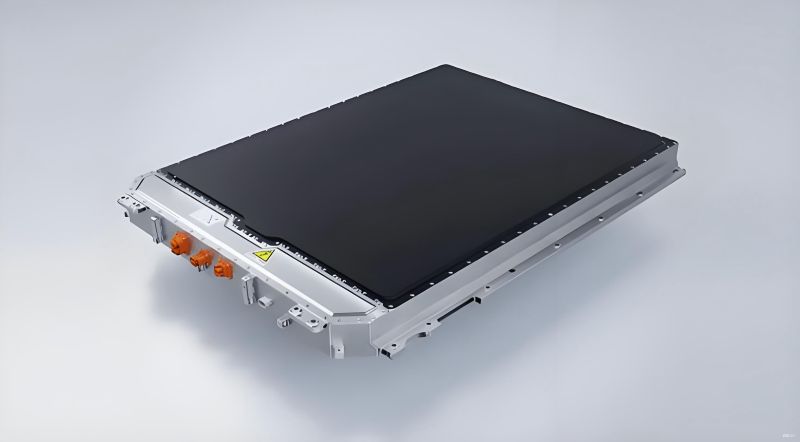
Challenge: 8% rework rate in electric vehicle battery bracket assembly due to inconsistent stake quality, creating production delays and warranty exposure.
Solution: Custom dual-head ultrasonic staking system with energy feedback control (150J target) and optimized fixture design.
Results:
- First-pass yield improvement: 92% to 99.6%
- Cycle time reduction: 18% (5.0 to 4.1 seconds)
- Annual savings: $50,000 through scrap reduction and labor efficiency
Medical Disposable Device Manufacturing
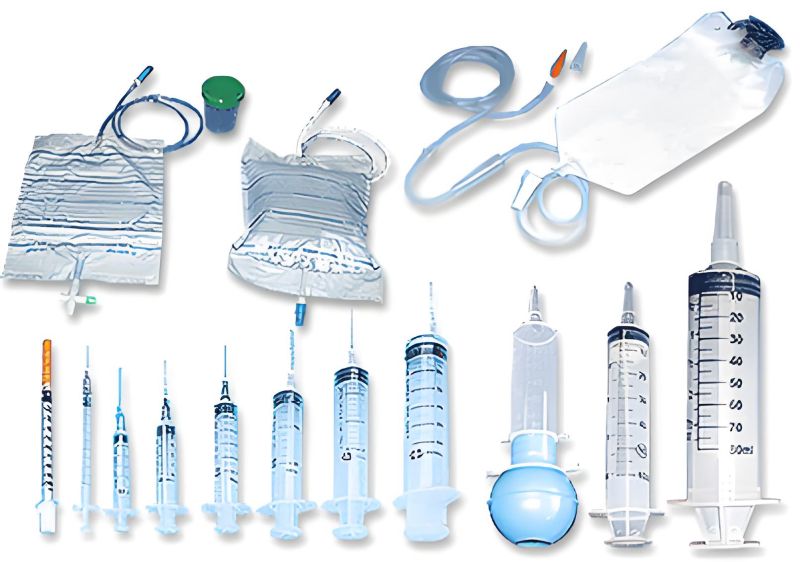
Challenge: Regulatory compliance requirements for ISO 13485 with full traceability and hermetic sealing of diagnostic device housings.
Solution: Validated ultrasonic staking process with batch-level data logging and real-time monitoring.
Results:
- 100% validation pass rate
- Complete audit trail for regulatory compliance
- Elimination of adhesive-related variability
- Leak rate performance: <0.1 cc/min
7. Implementation Roadmap and Operational Best Practices
Structured implementation minimizes disruption while ensuring system performance meets operational requirements.
Phased Implementation Approach
Weeks 1-2: Requirements Definition
- Material compatibility verification
- Sample preparation and baseline testing
- Facility assessment (utilities, space)
Weeks 3-4: Parameter Development
- Design of experiments for parameter optimization
- Statistical analysis of stake quality
- Preliminary acceptance testing
Weeks 5-6: System Validation
- Production-equivalent sample runs
- Documentation of process windows
- Operator training sessions
Weeks 7-8: Production Integration
- Gradual production ramp-up
- Statistical process control implementation
- Final sign-off and knowledge transfer
Operator Training and Certification
Comprehensive training programs should cover:
- Ultrasonic technology fundamentals
- Equipment operation and safety protocols
- Preventive maintenance procedures
- Quality inspection techniques
- Troubleshooting methodologies
Statistical Process Control and Continuous Improvement
Key metrics for ongoing monitoring:
- Weld energy consistency (X-bar charts)
- Cycle time stability
- Stake dimensional compliance
- Pull strength performance
Documented implementations show 15% defect reduction through proactive SPC monitoring and timely parameter adjustment.
8. Emerging Technology Trends in Plastic Joining
Staying current with industry developments ensures long-term manufacturing competitiveness.
Industry 4.0 Integration
Modern ultrasonic staking welders increasingly incorporate:
- IoT connectivity for real-time performance monitoring
- Cloud-based data analytics for predictive maintenance
- Digital twin technology for process optimization
- Automated parameter adjustment based on material variations
Sustainability and Energy Efficiency
Next-generation systems demonstrate:
- 40% energy reduction compared to previous generation equipment
- Material optimization through advanced joint design
- Reduced consumable requirements through process efficiency
- Compatibility with recycled material content
Advanced Material Applications
Recent developments enable:
- Hybrid material joining (plastic to metal/composite)
- Micro-staking for miniature electronic components
- High-temperature polymer compatibility
- Multi-material assembly in single operation
9. Frequently Asked Questions
What is the typical equipment lifespan?
Properly maintained ultrasonic staking systems operate effectively for 5-10 years, with consumable components (sonotrodes, boosters) requiring replacement every 1-2 years based on production volume.
What are standard delivery timelines?
Off-the-shelf systems typically ship in 2-4 weeks, while custom automated cells require 3-6 months including design, validation, and commissioning.
How do I validate process performance?
Follow standardized validation protocols testing n≥30 samples against defined acceptance criteria (pull strength ≥10 N/mm, leak rate ≤0.1 cc/min, no visual defects).
What are common integration challenges?
Typical implementation issues include fixture alignment, material lot variations, and parameter optimization. These are mitigated through structured validation and statistical process control.
10. Conclusion and Implementation Planning
This guide provides comprehensive methodology for selecting, implementing, and optimizing ultrasonic staking welder technology. The documented results---including 8% rework reduction, 99.6% first-pass yield, and 18-25% efficiency improvements---demonstrate the tangible benefits of systematic technology implementation.
Recommended Implementation Sequence
- Materials and Application Analysis: Verify compatibility and define requirements
- Technology Comparison: Evaluate against alternative joining methods
- Financial Justification: Complete TCO analysis with operational savings
- Supplier Selection: Conduct comprehensive vendor assessment
- Process Validation: Execute structured testing and documentation
- Production Integration: Implement with continuous monitoring
- Performance Optimization: Refine parameters based on production data
For application-specific guidance and equipment demonstration, contact our technical team to schedule a feasibility assessment with your components.