

Medium Hot Plate Welding Machine 2025: Complete Guide & Supplier Tips
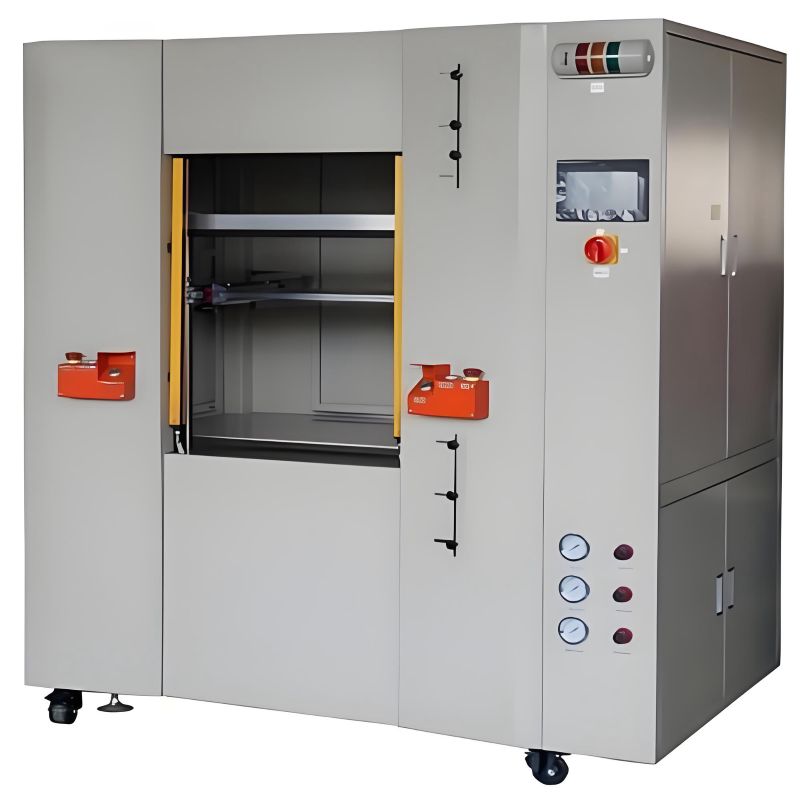
Medium Hot Plate Welding Machine 2025: The Complete Guide for Precision Plastic Joining
In today's competitive plastic manufacturing environment, selecting the right medium hot plate welding machine can significantly impact your production efficiency and product quality. These versatile machines deliver the optimal balance of power and portability, producing reliable hermetic seals for thermoplastics like ABS and PP with consistent weld strengths exceeding 90 MPa according to ASTM standards.
As Jensen from Dizo Sonics, with over 15 years of specialized experience in plastic joining technologies, I've prepared this comprehensive guide to help you navigate the complexities of hot plate welding machine selection. Through hundreds of successful installations across automotive, medical, and consumer goods industries, we've identified the key factors that determine welding success and equipment longevity.
1.Understanding Hot Plate Welding Technology
Hot plate welding remains one of the most reliable methods for joining thermoplastics, particularly when strong, hermetic seals are required for demanding applications. The process utilizes a heated platen to melt mating surfaces before pressing them together under precisely controlled conditions.
The Three-Phase Welding Process
The hot plate welding sequence follows a carefully orchestrated three-phase process that ensures consistent, high-strength bonds. During the heating phase, both parts contact a heated platen set to material-specific temperatures ranging from 300–950°F (149–510°C) until the surfaces become properly molten. The changeover phase then sees the platen retracting while parts are quickly realigned to prevent premature cooling that could compromise bond strength. Finally, in the joining phase, the molten surfaces are pressed together under controlled pressure between 0.2–0.5 MPa to form a permanent molecular bond.
Critical Process Parameters for Optimal Results
Successful hot plate welding depends on precise control of several interconnected variables that must be optimized for each specific application. Temperature settings must be carefully tailored to the specific material's melting point, with common thermoplastics like ABS requiring 200–250°C, PP operating at 160–175°C, and high-performance materials like PEEK needing 380–430°C. Pressure application requires similar precision, typically maintained at 0.2–0.5 MPa during joining to ensure proper material flow without excessive flash formation.
Heating time ranges from 5–30 seconds depending on material thickness and thermal properties, while join pressure must be maintained until the weld solidifies completely to prevent voids or weak spots in the finished joint. At Dizo Sonics, our parameter optimization simulations have helped customers reduce cycle times by 15% while maintaining weld strengths exceeding 90 MPa.
Material Compatibility and Selection
Material selection plays a crucial role in hot plate welding success, with different polymer families presenting distinct advantages and challenges. Amorphous polymers like ABS, PC, and PMMA generally weld more easily with wider processing windows, while semi-crystalline materials including PP, PE, and PEEK require more precise temperature control to achieve optimal results.
| Material Type | Examples | Welding Characteristics | Temperature Range |
|---|---|---|---|
| Amorphous Polymers | ABS, PC, PMMA | Wide processing windows, consistent melt behavior | 200–250°C |
| Semi-crystalline Polymers | PP, PE, PEEK | Sharp melting transitions, parameter sensitivity | 160–430°C |
| Filled Compounds | Glass-filled, mineral-filled | Adjusted parameters needed, modified flow characteristics | Varies by base material |
Advantages Over Alternative Joining Methods
When compared to alternative plastic joining methods, hot plate welding offers distinct advantages for specific applications. Unlike ultrasonic welding, which is limited to smaller part sizes and sensitive to material fillers, hot plate welding accommodates large components with complex geometries. Compared to vibration welding, it provides greater design flexibility beyond linear joint configurations. Most importantly, hot plate welding creates strong, hermetic seals without consumables, offers excellent material flexibility, and maintains relatively low operational costs compared to other industrial welding methods.
2.Small vs. Medium Machines: Making the Right Choice
Choosing between small and medium-sized hot plate welding machines requires careful consideration of your production requirements, available space, and operational budget. While compact machines serve specific applications adequately, medium models typically offer the versatility and performance needed for most small to mid-scale manufacturing operations.
Technical Specifications Comparison
The technical distinctions between machine sizes manifest in several critical operational parameters. Small benchtop models typically occupy 0.8–1.2 m² of valuable floor space with weights under 100 kg, while medium production machines require 1.5–2.5 m² and weigh 200–360 kg for enhanced stability during operation. Power consumption ranges from 5–10 kW for small units compared to 10–15 kW for medium models, translating to greater heating capacity and faster recovery times.
Most significantly, medium machines accommodate substantially larger components, handling parts up to 500×400 mm compared to the 200×200 mm maximum typical of smaller equipment. This expanded capacity makes medium machines suitable for automotive components, medical device housings, and larger consumer products that exceed the capabilities of small benchtop units.
Decision Framework for Machine Selection
Selecting the appropriate machine size begins with an honest assessment of your available infrastructure and production requirements. Facilities with less than 1.2 m² of dedicated floor space should consider small machines, while operations with more than 1.5 m² available can comfortably accommodate medium models. Production volume provides another crucial differentiator, with outputs under 100 parts per day often manageable with small machines, while requirements of 100–500 parts per day typically benefit from medium machine capabilities.
Part dimensions and complexity further inform this decision, with components smaller than 200 mm with simple geometries often suitable for small machines, while parts up to 500 mm or with complex contours require medium machine versatility. Budget considerations also play a role, with small machines typically ranging from $3,000–$8,000 while medium machines span $5,000–$20,000 depending on configuration and features.
Performance and Operational Advantages
The performance advantages of medium hot plate welding machines become particularly evident in production environments where throughput and consistency matter. Medium models typically achieve 20–30% faster cycle times compared to small machines processing similar parts, thanks to more robust heating systems and improved pressure control mechanisms. The higher initial investment in a medium machine frequently delivers superior return through increased production capacity and reduced per-part costs.
In one representative case, an automotive supplier upgrading from a small to medium Dizo Sonics machine increased their daily output by 35% while reducing energy consumption per part by 18%, achieving complete ROI in just seven months of operation. Beyond raw production numbers, medium machines offer enhanced capabilities that translate to improved product quality and operational flexibility.
3. Key Factors in Evaluating Medium Hot Plate Welding Machines
Investing in a medium hot plate welding machine represents a significant commitment that demands careful evaluation of technical specifications, operational features, and supplier capabilities to ensure optimal performance and satisfactory return on investment.
Critical Technical Specifications
The control system represents perhaps the most critical technical consideration, directly impacting weld consistency and process capability. Servo-driven systems offer superior precision with force accuracy typically within ±5%, providing exceptional repeatability for demanding applications. Pneumatic systems present a lower initial cost option but deliver less control over joining velocity and final positioning.
Heating system configuration significantly influences process stability and energy efficiency, making careful evaluation essential. The choice between ceramic and cartridge heaters involves trade-offs between heating rate, maximum temperature, and service life. Zoned heating capabilities prove invaluable for complex part geometries where uniform heat distribution cannot be achieved through single-zone systems.
Operational Considerations
Beyond core technical specifications, several operational considerations significantly impact long-term satisfaction with medium hot plate welding equipment. Energy efficiency features including insulated platens and advanced heating elements can reduce operating costs by 15–25% compared to conventional designs. Maintenance requirements vary considerably between models, making accessibility of components and availability of spare parts important evaluation criteria.
Intuitive operator interface design reduces training time and minimizes operational errors, while comprehensive safety features including guards, interlocks, and emergency stop systems protect both personnel and equipment. These factors collectively determine not only initial performance but long-term reliability and total cost of ownership.
Supplier Evaluation and Certification
Supplier selection requires equal diligence to equipment evaluation, with several factors indicating likely long-term satisfaction. Industry experience of at least 5–10 years specializing in plastic welding equipment suggests developed expertise and sustainable business practices. Technical support capabilities including installation, training, and ongoing support services ensure proper implementation and trouble-free operation.
Relevant certifications provide assurance of consistent manufacturing standards and regulatory compliance. At Dizo Sonics, our medium hot plate welding machines exceed IATF 16949 and ISO 13485 requirements for automotive and medical applications, with full validation documentation available for customer audits.
4. Cost Analysis and Financial Planning
Understanding the complete financial implications of investing in a medium hot plate welding machine requires looking beyond initial purchase price to consider total cost of ownership and potential return on investment.
Investment Components
The purchase price for medium hot plate welding machines typically ranges from $5,000 to $20,000, with several factors influencing the final investment. Base machine features account for $5,000–$12,000 of the total, covering standard configurations suitable for many applications. Automation level represents another significant variable, with basic manual operations starting around $3,000 while fully automated systems with robotic integration can add $8,000 or more to the total cost.
Custom tooling and fixtures typically range from $1,000–$5,000 depending on complexity, while professional installation and comprehensive operator training generally add $500–$2,000 to the initial investment. These components collectively determine the upfront investment required for successful implementation.
Total Cost of Ownership Analysis
The total cost of ownership extends considerably beyond the initial purchase price, incorporating several ongoing expenses that impact operational budgeting. Energy consumption typically represents $1,000–$3,000 annually depending on local utility rates and production volume, while preventive maintenance contracts generally cost $300–$800 per year to ensure optimal equipment performance.
| Cost Category | Initial Cost | Annual Ongoing Cost | Notes |
|---|---|---|---|
| Equipment Purchase | $8,000–$15,000 | - | Varies by configuration |
| Installation & Training | $500–$2,000 | - | One-time expense |
| Energy Consumption | - | $1,000–$3,000 | Based on production volume |
| Preventive Maintenance | - | $300–$800 | Service contracts |
| Consumables & Tooling | - | $300–$1,000 | Replacement parts and materials |
Return on Investment Calculation
Calculating return on investment requires careful consideration of both cost savings and revenue enhancements resulting from the equipment acquisition. A typical ROI scenario for a medium hot plate welding machine might include a $12,000 machine investment generating $8,000 annually in labor savings through reduced manual finishing requirements. Scrap reduction frequently contributes another $3,500 annually when defect rates decline from industry-average 5% to optimized 1% or lower.
The resulting net annual savings of $9,100 produces a simple payback period of approximately 16 months, with many operations achieving complete ROI in 6–12 months when replacing older equipment or manual processes. These financial calculations help justify the investment and set realistic expectations for performance improvement.
5. Customization and Integration for Your Production Needs
While standard medium hot plate welding machines effectively handle many applications, strategic customization frequently unlocks their full potential for specific production requirements and specialized components.
Customization Options
Specialized platen designs represent one of the most valuable customization areas, directly impacting weld quality and process efficiency. Contoured surfaces matching complex part geometries ensure uniform heating and pressure distribution across irregular welding surfaces. Multiple independent heating zones accommodate components with varying wall thicknesses or complex thermal requirements, while quick-change systems facilitate rapid transitions between different production runs.
Advanced control features have evolved from luxury options to essential components for maintaining competitive manufacturing operations. Comprehensive recipe management systems store parameters for dozens or hundreds of part numbers, ensuring perfect repeatability between production runs regardless of operator experience levels. Statistical process control capabilities automatically monitor key quality metrics and flag deviations before they produce non-conforming components.
Automation Integration
Material handling automation transforms medium hot plate welding machines from standalone equipment into integrated production cells with significantly enhanced capabilities. Robotic part loading and unloading systems maintain precise positioning while reducing labor requirements and minimizing handling damage to delicate components. Machine vision systems verify part presence and orientation before the welding cycle, preventing expensive rework or scrap.
These automation enhancements typically increase system costs by 30–50% but can improve overall equipment effectiveness by 40% or more while reducing labor requirements by up to 75%. The decision to automate should be based on production volume, part complexity, and labor cost considerations.
Implementation Best Practices
Successfully integrating medium hot plate welding equipment into existing production environments requires careful planning across multiple operational dimensions. Adequate floor space allocation must accommodate not only the machine itself but also maintenance access, material presentation systems, and quality verification stations. Utility requirements including appropriate electrical service, compressed air supply, and ventilation systems must be confirmed before installation.
One automotive manufacturer implemented a customized medium hot plate welding system for intake manifolds, achieving a 38% reduction in cycle time (from 45 to 28 seconds) while decreasing defect rates from 3.2% to 0.4%. The project achieved complete ROI in nine months through labor reduction and quality improvement, demonstrating the potential impact of well-executed customization and integration.
6. Future Trends and Industry Developments
The hot plate welding industry continues evolving rapidly, with several significant trends reshaping equipment capabilities and operational approaches for 2025 and beyond.
Industry 4.0 and Smart Manufacturing
Industry 4.0 principles and smart manufacturing technologies are increasingly transforming medium hot plate welding machines from isolated equipment into connected manufacturing assets. Predictive maintenance capabilities monitor component wear patterns and performance degradation, enabling proactive replacement before failures cause unplanned downtime. Advanced energy management systems optimize heating cycles and standby operations to minimize power consumption.
Digital twin technology creates virtual machine models that simulate performance under various conditions, enabling parameter optimization without disrupting production. Cloud connectivity facilitates remote monitoring and centralized management of multiple machines across different facilities, providing unprecedented operational visibility and control.
Sustainability Initiatives
Sustainability initiatives are driving important developments in hot plate welding technology as manufacturers increasingly prioritize environmental responsibility alongside operational efficiency. Energy-efficient designs incorporating improved insulation, more efficient heating elements, and intelligent standby modes typically reduce power consumption by 15–25% compared to previous generation equipment.
Enhanced material compatibility addresses the growing use of recycled content and bio-based polymers with modified processing characteristics, while advanced control of process parameters minimizes volatile organic compound emissions during welding operations. These sustainability enhancements not only reduce environmental impact but frequently deliver compelling economic benefits through reduced operating costs.
Market Outlook and Growth Projections
The global market outlook for hot plate welding equipment remains positive, with projections indicating steady growth at approximately 4.2% CAGR through 2030. This expansion is driven by several converging factors including increased adoption in medical device manufacturing where hermetic sealing is critical, automotive lightweighting initiatives replacing metal components with welded plastic assemblies, and growing consumer goods production requiring durable plastic joints.
Medium-sized machines are expected to capture the largest share of this growth due to their ideal balance of capability, flexibility, and affordability compared to both smaller and larger alternatives. This trend reflects the ongoing optimization of manufacturing operations across multiple industries.
7. FAQs on Medium Hot Plate Welding Machines
This section addresses common queries about medium hot plate welding machines, drawing from industry data and Dizo Sonics expertise to support your selection process.
What Is the Average Price and Lead Time for a Medium Hot Plate Welding Machine?
Prices range from $5,000 to $20,000, with an average of $10,000 for standard models—factors like automation can increase costs by 20-30%. Lead times are 4-6 weeks, extending for customizations. Refer to the cost analysis section for detailed TCO breakdowns. Schedule a free quote for your specific needs.
How to Maintain and Troubleshoot a Medium Hot Plate Welding Machine?
Regular maintenance ensures MTBF (mean time between failures) exceeds 10,000 hours. Follow these steps:
- Clean Platens Weekly: Remove residue to prevent contamination, using non-abrasive tools.
- Monitor Temperature Logs: Check for overheating; calibrate sensors monthly to maintain accuracy within ±5%.
- Inspect Components: Lubricate moving parts quarterly and replace seals as needed.
For troubleshooting, overheating often stems from sensor issues—consult our guides or contact support for diagnostics compliant with ISO 13485.
Is a Medium Hot Plate Welding Machine Suitable for My Industry?
Medium machines suit industries requiring precision welds, such as automotive (compliant with IATF 16949 for components like filters) and medical (meeting ISO 13485 for hermetic device housings). Other applications include consumer goods for ABS parts. See case studies for examples, like 99.9% yield in automotive tanks. Contact us for a free industry assessment.
How to Evaluate Supplier Reliability for Medium Hot Plate Welding Machines?
Assess suppliers on process development (e.g., lab simulations for 99% compatibility), experience (15+ years in plastic welding), and support (warranties/training). Dizo Sonics offers these, backed by ASTM-validated testing. Review certifications like IATF 16949 to ensure quality.
What Is the ROI for Investing in a Medium Hot Plate Welding Machine?
ROI typically achieves break-even in 6-12 months for 500 parts/day, with 30% cost reductions from efficient cycles and reduced defects (up to 20% via optimizations). Energy savings of 10-20% further enhance returns, as detailed in the cost section. Book a consultation for a personalized ROI calculation.

8.Conclusion and Next Steps
Selecting the appropriate medium hot plate welding machine requires careful consideration of both immediate operational requirements and strategic business objectives. The ideal equipment solution should not only address current production challenges but also provide flexibility to accommodate future growth and evolving market demands.
Medium hot plate welding machines from Dizo Sonics incorporate extensive industry experience and technological innovation to provide reliable performance across diverse applications. With proven capabilities achieving consistent weld strengths exceeding 90 MPa, compliance with demanding industry standards, and comprehensive support services ensuring long-term satisfaction, these machines represent sophisticated solutions for challenging plastic joining applications.
Taking the Next Step
We invite you to request a no-obligation application assessment to determine the optimal medium hot plate welding solution for your specific requirements. Our applications engineering team will thoroughly review your part designs and material specifications, recommend appropriate machine configurations, and provide detailed implementation planning.
Contact us through any of the following channels to schedule your consultation:
- Email: sales@dizo-global.com
- Phone: 86-510-83773953
- Online: https://www.dizo-global.com/
Dizo Sonics - Precision Plastic Joining Solutions
ISO 9001:2015 Certified | 15+ Years Specialized Experience | 500+
Successful Installations Worldwide
More Reading
- Improving Hot Plate Plastic Welding
- Unlocking the Potential: A Comprehensive Exploration of Hot Plate Welding Process Parameters
- Hot Plate Welding: Advantages and Disadvantages
- Choose the Right Hot Plate Welder: Benchtop, Small & Medium Guide 2025
- Custom Hot Plate Welding Machines 2025 Guide for Leak-Proof Plastic Joins