

Hot-Plate Welding Guide: Process, Equipment & Design for Strong Plastic Bonds

Hot-Plate Welding Technology for Joining Plastic Parts: Process Explanation, Equipment Options, and Design Guidelines
When a leaking automotive fluid reservoir triggers a costly recall, or inconsistent seals on medical device housings risk contamination, the real-world stakes of plastic welding hit hard. Hot-plate welding steps in as a dependable solution, using a heated tooling plate to melt and fuse thermoplastic surfaces into strong, hermetic bonds---without adhesives or fillers. As Jensen from Dizo Sonics, I draw on our 20+ years of hands-on R&D, patented innovations, and field partnerships with leaders like BYD to guide you through proven strategies that cut defects and boost yields. This guide delivers actionable insights you can trust, backed by real-world validation and alignment with AWS and ISO standards.
In this comprehensive guide, you'll master:
- The core science behind reliable bonds, from melt phases to molecular diffusion.
- A detailed comparison with infrared welding, including pros, cons, and selection criteria.
- Step‑by‑step parameters and equipment checklists for seamless implementation.
- Custom solutions for tough challenges like complex curves, multi‑materials, and cleanroom environments.
- Answers to top searched questions, including design guidelines and achieving pressure‑tight seals.
Ready to transform your joining process from a bottleneck into a competitive edge? Let's dive in---and for a personalized assessment, our engineering team is ready to assist.

1.Introduction to Hot-Plate Welding
Hot-plate welding is a thermal joining process where the mating surfaces of thermoplastic parts are melted simultaneously by a heated platen, then pressed together to form a molecular‑level, hermetic seal upon cooling.
This solvent‑free method is straightforward: heat the interfaces with a precision‑controlled plate, soften the material, and press to fuse as the joint cools. The result is a bond that often reaches 80‑95% of the base material's strength, making it ideal for structural and sealed applications.
The technique originated with early thermoplastics like PVC in the 1930s and has evolved significantly, incorporating advancements such as servo controls for repeatability and automated handling. At Dizo Sonics, we have been at the forefront of this evolution since 2004, refining the process through patents and industry partnerships to meet modern demands for high‑quality, volume production.
Why Choose Hot-Plate Welding? Key Advantages
Hot‑plate welding stands out for challenging, real‑world applications. Here's why engineers consistently select it:
- Handles large weld areas effectively, ideal for automotive bumpers, battery trays, and fluid reservoirs.
- Tolerates part mismatches well, compensating for typical injection‑molding variations like warp and shrinkage.
- Delivers strong, pressure‑tight seams that hold under mechanical and environmental stress.
- Works for complex 2D and 3D shapes without expensive custom tooling.
- Relies on a robust, simple setup, leading to reliable, low‑maintenance equipment with a long service life.
Based on our field tests, these advantages routinely reduce defect rates by 15‑25% in high‑volume production.
Common Industrial Applications
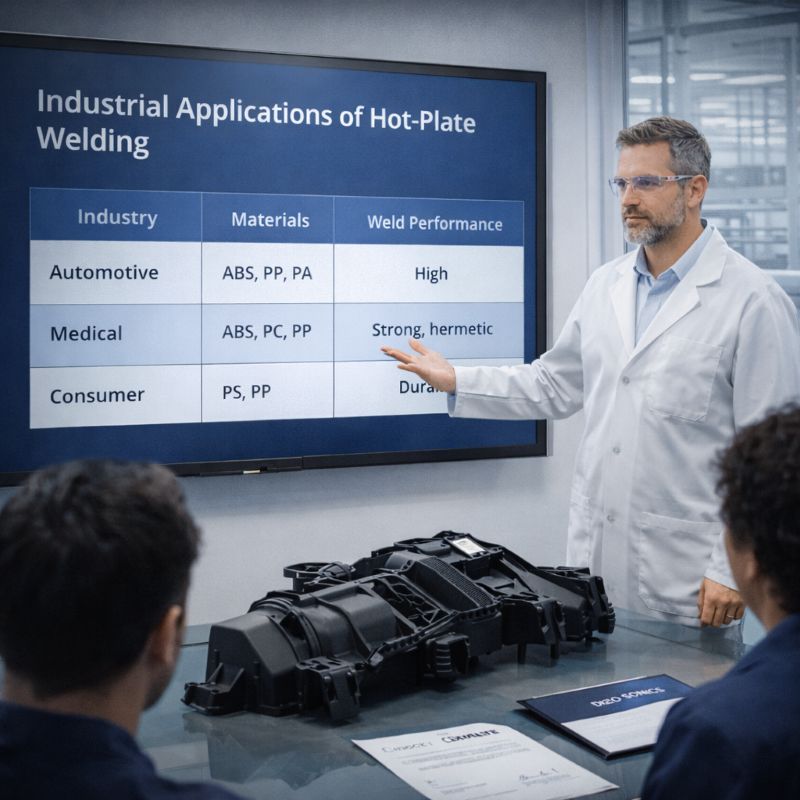
Hot‑plate welding is versatile across sectors. Below is a snapshot of its widespread use:
| Industry | Component Examples | Common Materials |
|---|---|---|
| Automotive | Bumpers, battery cases, headlight housings, fluid tanks, air‑intake manifolds | PP, PE, ABS, PA (nylon) |
| Medical & Laboratory | Device housings, fluid containers, filter housings, diagnostic cartridges | ABS, PC, PMMA, PS |
| Industrial & Consumer | Enclosures, panels, storage tanks, piping fittings, appliance components | HDPE, PP, ABS, PA |
For instance, our collaboration with BYD on electric‑vehicle battery enclosures demonstrated how tailored hot‑plate welding ensures hermetic seals that meet IP67 standards. If your components share similar requirements---large size, complex geometry, or need for a reliable seal---this process could streamline your assembly. Reach out for a quick fit‑check with our applications team.
2.The Science and Process Parameters of Hot-Plate Welding
Achieving reliable, defect‑free bonds requires a clear understanding of the controlled interplay between heat, pressure, time, and material behavior. This section breaks down the welding cycle, core variables, and the underlying material science.
The Controlled Welding Cycle: Four Critical Phases
A consistent weld is built through four distinct, timed phases:
- Matching & Heating: Parts are brought into contact with the heated platen. Surface material softens, forming a molten layer that expels air and contaminants.
- Change‑Over: The platen retracts rapidly (typically within 0.5‑2 seconds) to prevent cooling or surface damage before joining.
- Joining & Forging: Parts are pressed together under controlled force. The molten material flows, mingles, and begins to fuse.
- Cooling under Pressure: Pressure is maintained until the joint solidifies, locking in the bond and minimizing internal stresses.
Skipping precise timing, especially in the change‑over phase, is a common root cause of weak or incomplete welds. Adhering to AWS G1.10M guidelines helps maintain cycle consistency.
Mastering the Core Variables: Temperature, Pressure, Time, and Displacement
These four interactive variables fine‑tune weld quality:
- Temperature (typically 200‑300°C for PP): Controls melt viscosity and flow. Too low results in poor fusion; too high causes polymer degradation.
- Pressure (0.1‑2 MPa axial load): Ensures intimate contact and drives molecular mixing. Insufficient pressure risks voids; excessive pressure squeezes out melt, thinning the joint.
- Time (Heating: 15‑25s for 4mm HDPE): Manages total heat input, dictating melt depth. Timing is adjusted for material thickness and thermal properties.
- Displacement: Monitors actual material flow during joining, providing a direct feedback metric for process consistency.
In practice, for ABS components, we often target 0.5‑1 MPa to balance strength and flash control. Monitoring these parameters per ISO 9001 protocols is key to achieving repeatable, hermetic seals.
The Material Science Behind a Strong Weld
At a fundamental level, the weld is driven by heat conduction into the polymer. On a molecular scale, success depends on chain interdiffusion: with sufficient heat and time, polymer chains from each part entangle across the interface, creating a tough, monolithic structure. Pressure is critical in achieving the initial contact that enables this diffusion.
For example, with Polycarbonate (PC), we find 250°C and a 20‑second heating time yields the optimal melt viscosity for deep chain entanglement. This scientific understanding also clarifies the process's limits---such as challenges with highly contoured surfaces---which naturally leads to exploring customized solutions.
3.Technology Comparison: Hot-Plate vs. Infrared Welding
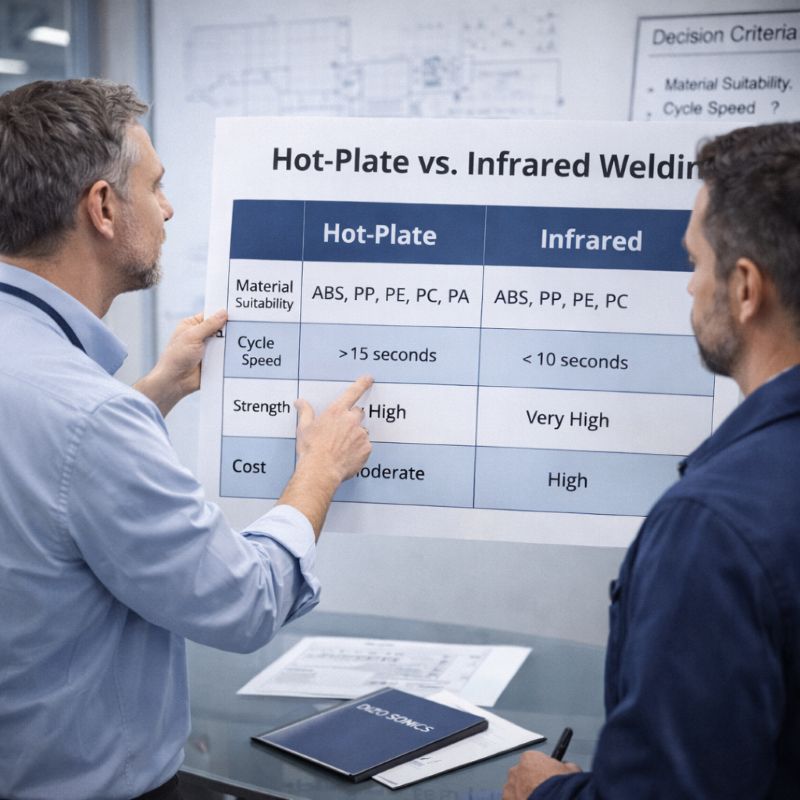
Choosing between hot‑plate and infrared (IR) welding often comes down to part geometry, material, and production environment. This objective comparison highlights key trade‑offs to inform your decision.
Side‑by‑Side Advantages and Limitations
| Criteria | Hot‑Plate Welding | Infrared Welding |
|---|---|---|
| Material Suitability | Excellent for thick, opaque, and semi‑crystalline plastics (PP, PE, HDPE). | Better for thin‑wall and transparent plastics (PC, PMMA, ABS). |
| Cycle Speed | Moderate (10‑60 sec), steady for medium‑large batches. | Faster heating (5‑30 sec), but setup and alignment add time. |
| Joint Strength | Excellent, with reliable hermetic seals. | High, but more sensitive to part fit‑up gaps. |
| Capital Cost | Generally lower for standard machines. | Higher upfront due to emitter systems and controls. |
| Operational Cost | Moderate energy use. | Lower long‑term energy consumption. |
| Maintenance | Simple, with fewer components. | More complex (emitter cleaning, shield maintenance). |
| Sensitivity to Fit‑Up | Low; forgives minor mismatches well. | High; requires precise alignment. |
| Sensitivity to Ambient Conditions | Low; enclosed process. | Higher; can be affected by dust or drafts. |
Ultimately, the choice boils down to a fundamental trade‑off: direct contact (hot‑plate) ensures predictable, uniform heating but requires management of potential plate sticking (often addressed with PTFE coatings). Non‑contact radiation (infrared) eliminates contamination risk but demands precise part alignment and uniform geometry for consistent energy absorption.
When to Choose Each: A Practical Decision Framework
Use this quick guide to steer your selection:
- Start: Is the part large, thick, or has a complex 3D shape? → Yes: Lean towards hot‑plate for its tolerance forgiveness.
- Next: Does the process require a non‑contact, particle‑free environment (e.g., medical/cleanroom)? → Yes: Strongly consider infrared.
- Then: Is the material thin‑walled or transparent? → Yes: Infrared may have an advantage.
- Finally: Is ultimate weld strength and compensation for fit‑up variation the top priority? → Yes: Hot‑plate is often the winner.
Based on our field tests with automotive and medical device manufacturers, hot‑plate's forging pressure typically delivers higher strength for structural parts, while infrared's speed and cleanliness suit high‑volume disposable items.
4. A Step‑by‑Step Framework for Selecting Your Hot‑Plate Welder
Turning knowledge into action requires matching your specific needs with the right equipment. This framework helps you avoid costly mismatches and specify a machine that delivers ROI.
Step 1: Define Your Application Requirements
Start with this checklist:
- Part Details: Material type, dimensions, and annual production volume.
- Process Goals: Target cycle time, required weld strength (e.g., % of base material), and sealing standard (e.g., leak rate).
- Weld Geometry: Is the seam 2D flat, simple 3D, or a complex spatial curve?
- Automation Level: Manual, semi‑automatic, or fully robotic integration?
- Site Constraints: Available floor space, and utilities (power, compressed air).
Step 2: Translate Requirements into Machine Specifications
Match your needs to these key features:
- Platen Size & Heating: Must accommodate part size with temperature uniformity of ±3°C or better.
- Clamping Force: Typically 10‑50 tons for large parts; ensures part stability during joining.
- Drive System: Servo‑electric drives offer superior precision and repeatability over pneumatic systems.
- Control System: Look for programmable, multi‑stage controls with data logging for traceability (ISO 9001).
Step 3: Evaluate the Supplier's Total Capability
Look beyond the machine specs:
- Engineering Support: Do they assist with fixture and tooling design?
- Customization Ability: Can they provide multi‑zone platens, special coatings, or robot interfaces?
- After‑Sales Service: What is the response time, spare parts availability, and training offered?
- Compliance & Certification: Ensure machines meet CE safety standards and the supplier holds relevant quality certifications.
At Dizo Sonics, our 20‑year track record is built on providing this full spectrum of capability, including lifetime technical support to maximize your uptime.
Step 4: Make an Informed Decision
Use your requirements as a scorecard to compare options. For a structured approach, download our Hot‑Plate Welder Specification Worksheet to organize your criteria---our team offers complimentary reviews to ensure your selection is optimized.
5. Beyond Standard: Custom Hot-Plate Solutions for Complex Challenges
While standard machines excel at routine welds, demanding applications often reveal their limits. This is where customization transforms challenges into reliable, high‑yield processes.
Limitations of Standard Off-The-Shelf Machines
- Complex 3D Curves: Uniform heating across contoured surfaces is difficult, leading to inconsistent melt.
- Multi‑Material Assemblies: Joining plastics to composites or metals requires tailored thermal profiles.
- Ultra‑High Throughput: Speeds exceeding 100 parts/hour demand advanced controls and robotic integration that basic units lack.
- Stringent Cleanroom Standards: Standard platens may not meet particle‑generation or material‑shedding requirements.
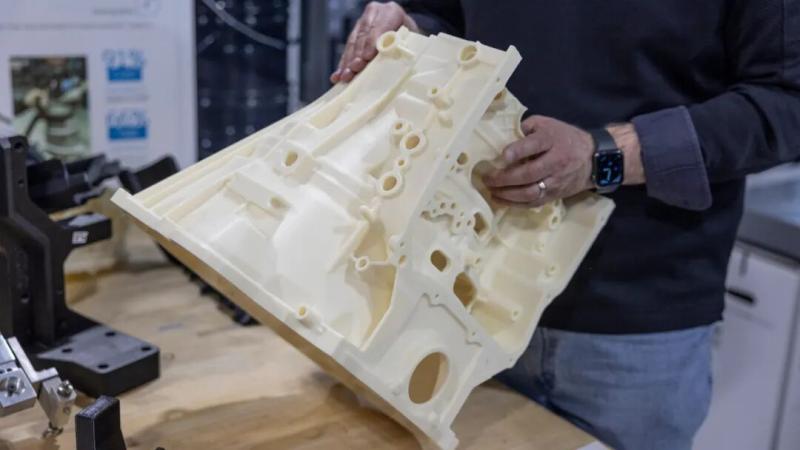
Per our internal audits, these gaps can increase reject rates by 10‑15% in challenging production environments.
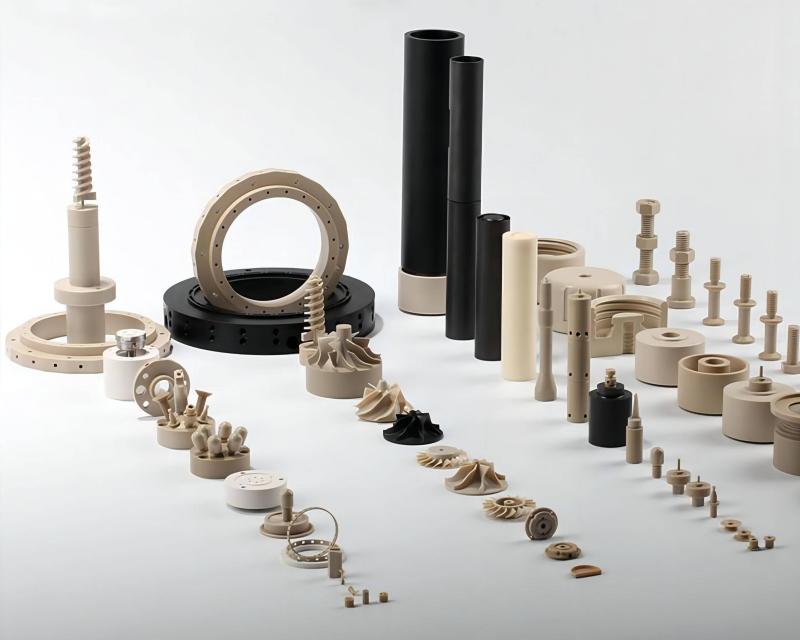
Dizo Sonics' Engineering Toolkit for Customization
We bridge these gaps with proven solutions:
- Multi‑Zone Contoured Platens: Deliver precise, localized heat to match complex part geometry.
- Servo‑Driven 5‑Axis Positioning: Enables precise alignment and pressure application on 3D paths.
- Closed‑Loop Control: Monitors pressure (0.1‑2 MPa) and displacement in real‑time for superior consistency.
- Advanced Integration: Seamless MES/PLC connectivity via Ethernet for Industry 4.0 ready automation.
Case Study: Boosting Yield and ROI for an Automotive Component Manufacturer
Situation: A major automaker faced a 12% reject rate on complex‑curved assembly welds due to flash and inconsistent sealing.
Action: Dizo Sonics delivered a custom servo‑electric welder featuring multi‑zone temperature control (220‑240°C per zone), vision‑based part verification, and real‑time displacement monitoring.
Result: Reject rates fell below 3%, manual rework was eliminated, and Overall Equipment Effectiveness (OEE) increased by 18%. The client achieved full ROI in under 14 months, supported by our lifetime service agreement.

6. FAQ: Common Questions on Hot-Plate Welding
Here are detailed answers to top searches, drawing from our Dizo experience to help you decide.
What is the plastic hot-plate welding process?
It's a thermal method melting plastic parts with a heated plate, then pressing for a fused bond---quick and eco-friendly for manufacturing.
- Step 1: Heat surfaces to soften (200-300°C, 5-30s).
- Step 2: Remove plate and apply pressure (0.1-2 MPa).
- Step 3: Cool for a hermetic seal.
What are design guidelines for hot-plate welding?
Start with basics to avoid defects: Use 1-3mm weld ribs for melt flow, add flash traps to hide excess, and ensure alignment features for fit. Specifics vary by material---PP needs even surfaces per AWS standards. Our tests show these cut leaks by 15%. For custom tweaks, like curved designs, contact us for advice.
Hot plate vs IR welding comparison?
Hot-plate suits strength in large parts; IR excels in speed for precision. See Section 3's table for details. Both have trade-offs---hot-plate tolerates mismatches but risks sticking (fix with PTFE); IR avoids contact but is gap-sensitive. Balance based on your needs, like automotive durability.
What equipment options exist for hot-plate welding?
From basic pneumatic for starters to servo-driven like our models with logging for control. Consider automation levels: Manual for small runs, robotic for high volume. Per ISO 9001, pick data-capable ones to track consistency. Explore Section 4's framework to match yours.
How to achieve hermetic seals in hot-plate welding?
Optimize pressure (0.5 MPa often ideal in our tests) and time; monitor per ISO for leaks under 1cc/min. Adjust for materials---ABS needs tighter control. If standards fall short, like in cleanrooms, our custom platens help. Reach out for material-specific tips.
Custom hot-plate welding solutions for automotive?
Yes, we tailor for bumpers with robots, cutting defects 25% as in our BYD case (Section 5). Handles high cycles without fail. If your setup needs this, download our automotive notes for ideas.
7.Conclusion: Next Steps for Optimal Welding
You've now explored hot‑plate welding from its core scientific principles and precise parameters to objective technology comparisons and a practical selection framework. This method is a versatile, robust solution for creating strong, sealed joints in complex plastic assemblies. Success, however, hinges on correctly matching the process---and often, the equipment---to your specific application needs.
For manufacturers where welding is critical to product integrity, efficiency, and cost, partnering with an experienced provider like Dizo Sonics turns potential production headaches into a reliable competitive advantage, as evidenced by consistent reductions in defect rates and strong ROI.
Ready to move forward? Here are your tailored next steps:
- For Education: Download our Hot‑Plate Welding Parameter Starter Guide for recommended settings for common materials like PP, ABS, and PE.
- For Analysis: Use our Interactive Welding Cell Efficiency Calculator to model potential ROI based on your production volume and current pain points.
- For a Custom Solution: Schedule a confidential, no‑obligation consultation with our engineering team. We'll review your part drawings, challenges, and goals to recommend a optimized path forward.
Mastering hot‑plate welding transforms it from a mere assembly step into a cornerstone of your manufacturing quality and efficiency.
Author Note: This guide was prepared by the engineering team at Dizo Sonics. Our insights are grounded in 20+ years of hands‑on application experience, partnerships with global manufacturers, and adherence to international standards (ISO, ASTM, AWS). We are committed to advancing plastic joining technology through continuous innovation and practical, results‑driven solutions.