

Car Fuel Tank Manufacturing Process – Step-by-Step Guide

Have you ever wondered what keeps your car running smoothly every time you hit the gas pedal? It all starts with the fuel tank—a vital part that's more than just a container!
The car fuel tank manufacturing process is a fascinating journey, integrating precision design, tough materials, and advanced manufacturing methodologies to create something safe, durable, and efficient.

Table of Contents
Raw Material Selection
Design and Engineering of Fuel Tanks
Manufacturing Process of Metal Fuel Tanks
Manufacturing Process of Plastic Fuel Tanks
Quality Control and Testing
Durability Reinforcement Techniques
Environmental and Safety Considerations
Future Trends in Fuel Tank Manufacturing
FAQs
Conclusion
Raw Material Selection
Choosing the right material for a fuel tank is a big deal. In car fuel tank fabrication, we often use steel, aluminum, or HDPE plastic. Each one has good points and limitations.
Steel Fuel Tanks
Steel is super tough. It's great for tanks that need to last a long time or handle bumpy rides.
Advantages:
- Strong and can take a beating.
- Good for high-pressure tanks.
- Usually costs less than other options.
Disadvantages:
- Heavy, which can make the car use more gas.
- It can rust if we don't coat it to protect it.
- Need extra work to keep it safe from corrosion.
Aluminum Fuel Tanks
Aluminum is light and shiny. It's perfect for cars where saving weight matters, like race cars or electric ones.
Advantages:
- Lighter than steel, so the car uses less fuel.
- Doesn't rust, even without special coatings.
- Easy to shape into cool designs.
Disadvantages:
- Not as strong as steel, so it might need extra support.
- Costs more than steel.
- Harder to weld when putting the tank together.
HDPE Plastic Fuel Tanks
HDPE plastic complies with SAE J2662. It's a popular choice because it's easy to make and doesn't weigh much.
Advantages:
- Super light, which helps with gas mileage.
- Won't rust or corrode, no matter what.
- Cheaper to make lots of tanks with it.
Disadvantages:
- Not as tough as metal, so it might crack more easily.
- Can warp in really hot or cold weather.
- Needs special ways to stick the pieces together.
Design and Engineering of Fuel Tanks
Fuel tanks are a super important part of vehicles like cars, trucks, and even airplanes. They hold the fuel that keeps everything running, but designing them isn't as simple as making a big box.
Engineers use advanced simulation software (e.g., ANSYS) and follow strict rules to make sure fuel tanks are safe, strong, and work perfectly.
Designing with CAD Software
Imagine you're drawing a picture of a fuel tank, but instead of paper, you're using a computer. That's where CAD software comes in! CAD stands for Computer-Aided Design.
Plastic oil tank manufacturers use it to create detailed 3D models of fuel tanks before building them in real life.
With CAD, engineers can:
Make super precise designs, down to the tiniest measurement.
Test how the tank will hold up under crazy conditions.
Safety and Regulatory Considerations
Fuel tanks have to be really safe because fuel can be dangerous if it leaks or catches fire. That's why there are strict rules engineers must follow. In the United States, one big rule is called UL 142, which sets standards for how fuel tanks are made so they don't cause accidents.
To keep things safe, fuel tanks might have:
- Double-walled construction: Rollover valves compliant with FMVSS No. 301 reduce spillage by 95% during vehicle inversion.
- Pressure relief valves: These are like safety vents that let out extra pressure so the tank doesn't burst.
Structural Features: Baffles and Reinforcement
Inside a fuel tank, there's more than just empty space. Engineers add special features to make the tank stronger and safer.
- Baffles: These are like internal walls that split the tank into smaller sections. They stop the fuel from sloshing around too much when the vehicle moves. Baffles help keep the vehicle steady.
- Reinforcement: This is like giving the tank a suit of armor! Extra layers or supports are added in places that need to handle more pressure or bumps, making the tank tough and durable.
Manufacturing Process of Metal Fuel Tanks
Now that we've designed the fuel tank, it's time to bring it to life through the plastic fuel tank manufacturing process.

Raw Material Inspection and Preparation
First, we start with raw materials, usually sheets of steel or aluminum. We inspect them carefully to make sure they're perfect—no dents, scratches, or weak spots. This is super important because even a tiny flaw could cause big problems later.
Steel is often used for older cars and heavy-duty vehicles because it's strong and durable. Aluminum, on the other hand, is lighter and is commonly used in racing cars where saving weight is a big deal. Once we know the metal is good, we clean it and get it ready for the next steps.
Cutting and Forming
Next, plastic oil tank manufacturers cut the metal sheets into the right shapes and sizes. This is where things get exciting! Using machines, we stamp or stretch the metal into the tank's shape.
For steel tanks(complying with AWS D1.1), we often use a process called deep drawing(sheet metal formed via tensile force). For aluminum, we might use similar methods, but it's a bit trickier because aluminum is softer and needs extra care.
Welding Techniques
Now, plastic oil tank manufacturers need to join the pieces together. We use two main types of welding:
- Spot welding: This is when we zap specific spots to hold the metal together. It's quick and works great for thinner metals.
- Seam welding: Here, we make a continuous weld along the edges, like sewing a seam on a shirt. This makes the tank extra strong and leak-proof.
Assembly of Components
With the main tank shaped and welded, it's time to add the extras—like valves, sensors, and bolts. These are like the buttons and zippers on your backpack; they make the tank work properly.
For example, plastic oil tank manufacturers might add a fuel pump or a sensor that tells you when the tank is full. Each part is carefully attached and tested to make sure it fits just right.
Surface Treatments
Finally, we give the tank a protective coat to keep it safe from rust and wear. For steel tanks, we might use galvanizing, which is like dipping the tank in a bath of zinc to make it rust-proof.
For aluminum, plastic oil tank manufacturers might use a special paint or coating. This step is crucial because it helps the tank last longer, even in tough conditions like salty roads or hot weather.
Manufacturing Process of Plastic Fuel Tanks
How do we make fuel tanks that are light as a feather but tough as nails? The answer lies in plastic!
Materials: The Power of HDPE
Plastic fuel tanks are usually made from a special kind of plastic called HDPE, or high-density polyethylene. HDPE meets ISO 19078 standards. It's super strong and doesn't weigh much, which is perfect for cars. HDPE is also great because it doesn't react with fuel, so it keeps everything safe inside.
Blow Molding: Shaping the Tank
The main way we make plastic fuel tanks is through a process called blow molding. That's similar to how blow molding works. We heat up the plastic until it's soft, then blow it into a mold to get the right shape for the tank. This method is great because it lets us create tanks with smooth, seamless walls that are strong and leak-proof.
Sometimes, we also use extrusion, where plastic fuel tank suppliers push the plastic through a shaped hole to create specific parts. This helps us make pieces that are just the right size and shape for the tank.
Joining Methods: Sticking It All Together
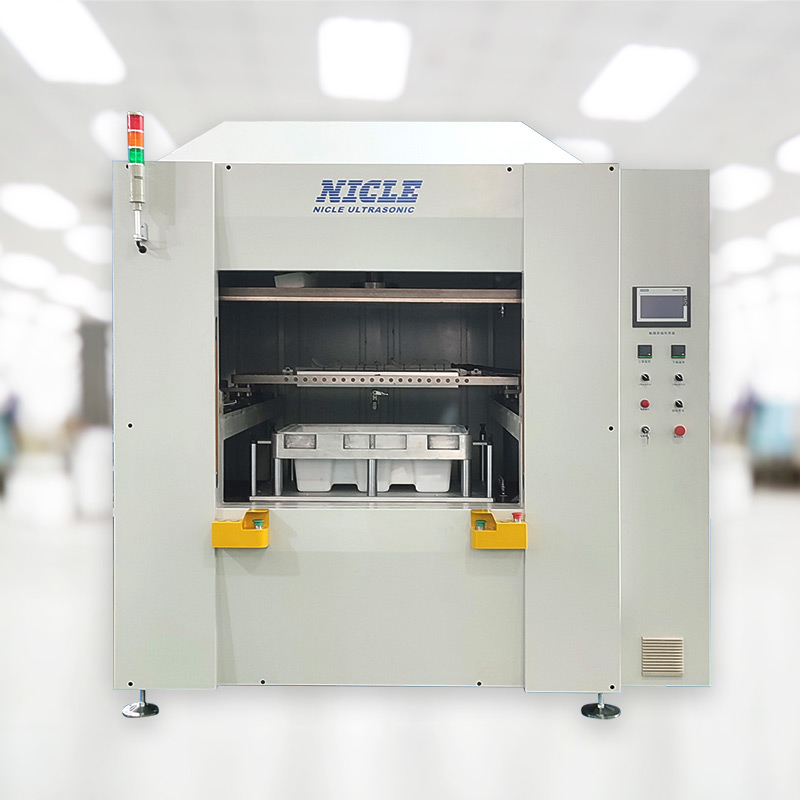
Once we have the pieces, we need to join them together. For plastic tanks, we use cool techniques like hot plate welding, where we use a heated plate to join the pieces. This method make sure the tank is sealed tight and won't leak.
 Ads
Ads
Car Tank Hot Plate Welding Machine
Dizo Auto Tank Hot Plate Welding Machine delivers precision joining for automotive fluid containment systems requiring industrial-grade weld integrity and leak-proof performance.
Advantages of Plastic Tanks
Plastic fuel tanks have some big advantages over metal ones:
- Lightweight: They're lighter than metal tanks, which means cars can go farther on less fuel. That's good for your wallet and the environment!
- Corrosion-resistant: HDPEʼs chemical inertness (per ASTM D543) enables 0.02% fuel permeation vs. 0.15% in steel (SAE J2662).
- Flexible design: Plastic can be molded into complex shapes, which is harder to do with metal. This means we can design tanks that fit perfectly into the car's layout, saving space and looking sleek.
Quality Control and Testing
Making a fuel tank is like building a safety-critical component—it has to be tough, safe, and ready for anything! But how do we know it's perfect before it goes into a car? That's where quality control comes in.

Leak Testing: Keeping Fuel Where It Belongs
One of the biggest tests is leak testing. A fuel tank has to hold fuel without spilling a single drop—leaks could be dangerous! Here's how plastic fuel tank suppliers check for them:
- Hydrostatic Pressure Testing: We fill the tank with water and watch for drips. If even a tiny drop escapes, we know there's a leak that needs fixing.
- Air Pressure Test: Another way is to pump air into the tank and use a special machine to detect if any air sneaks out. If it does, there's a hole somewhere!
Durability Checks: Making Sure It Lasts
Fuel tanks need to be tough. They'll face bumps, heat, cold, and years of use in a car. That's why we do durability checks to test their strength:
- Pressure Testing: We fill the tank with extra pressure—more than it would normally hold—to see if it stays strong or breaks.
- Temperature Testing: We heat it up and cool it down to make sure it doesn't crack or warp, no matter the weather.
Inspecting Welds and Surface Finish
For metal fuel tanks, the welds—where metal pieces are joined—are super important. We inspect every weld to make sure it's strong and won't break or leak later. We also check the tank's surface to make sure it's smooth and coated to stop rust from forming.
For plastic tanks, plastic oil tank manufacturers look at the seams where the plastic is sealed together. If they're not tight, fuel could leak out.
Durability Reinforcement Techniques
Fuel tanks hold the fuel that keeps everything running. They also have to handle all kinds of weather and bumpy roads. That's why we use special techniques to make them extra durable and resistant to damage, especially corrosion.
Techniques for Metal Tanks
For metal tanks, like those made from steel, the biggest enemy is rust. Rust can weaken the tank and cause leaks. To stop this, plastic fuel tank suppliers use a process called galvanizing. This is like giving the tank a protective coat of zinc, which keeps rust away.
We also use UV stabilizers or paints that act like a shield against moisture and chemicals.
Aluminum tanks are another option for metal, and while they resist rust better than steel, coatings can still be added for extra protection.
Techniques for Plastic Tanks
Plastic tanks, made from HDPE (high-density polyethylene), don't rust, but they are vulnerable to hydrocarbon permeation. To make them stronger, we use multi-layered plastic or add fibers to make the plastic tougher. These layers and fibers help the tank resist cracking or breaking under pressure.
Plastic tanks can also be harmed by UV light from the sun or extreme temperatures, which might make them brittle over time. So, plastic oil tank manufacturers apply special coatings to protect them from these conditions.
Use of Sealants
Both metal and plastic tanks can benefit from sealants. Sealants are like super glue that fills in tiny gaps or holes, making sure the tank doesn't leak. This is really important for tanks that have been welded (for metal) or molded (for plastic), as there might be small imperfections from the car fuel tank manufacturing process.
Environmental and Safety Considerations
We know that plastic oil tank manufacturers must follow strict rules to cut down emissions and keep our environment safe, while also making sure their tanks are reliable and secure.

Environmental Regulations
In the U.S., we see the Environmental Protection Agency (EPA) setting the bar high for fuel tank emissions under the Clean Air Act.
Integrated carbon canisters (≥600g capacity) capture 98% of VOCs(Volatile Organic Compounds), exceeding Tier 3 standards (EPA 40 CFR §86.1817). To keep up, plastic oil tank manufacturers use activated carbon filtration systems and materials.
For instance, many tanks come with carbon canisters that grab and hold VOCs, stopping them from floating into the air we breathe. On top of that, we often spot materials like high-density polyethylene (HDPE) plastic in use because it's less likely to let VOCs sneak through compared to other options.
Safety Features
Plastic oil tank manufacturers pack in features to stop leaks and explosions. Take rollover valves, for example—they snap shut the tank's vent line if a vehicle tips too far, keeping fuel from spilling out.
This is a big deal during a rollover crash, where a leak could spark a fire or worse.
Then there are pressure relief valves, which let out extra pressure to stop the tank from bursting. And let's not forget flame arrestors—these clever devices block flames from sneaking inside the tank, cutting the risk of an explosion.
Future Trends in Fuel Tank Manufacturing
The fuel tank manufacturing industry is poised for significant changes. Innovations in materials and processes, coupled with the rise of electric and alternative fuel vehicles, are shaping the future of fuel tank design and production.

Innovations in Materials
One of the most exciting areas of development is in the materials used for fuel tanks. Traditional materials like steel and plastic are being supplemented or replaced by advanced composites and alloys.
Composite Materials: Widely used in aerospace, composite materials are now entering car fuel tank fabrication. These materials, such as carbon fiber reinforced polymers (CFRP), offer a high strength-to-weight ratio, improving fuel efficiency and safety by reducing vehicle weight while maintaining durability.
Self-Healing Materials: Researchers are developing materials that can automatically repair small cracks or leaks. These materials use embedded microcapsules filled with healing agents; when a crack forms, the capsules break open, releasing the agent to seal the damage.
New Manufacturing Processes
Advancements in car fuel tank manufacturing process technology are transforming how fuel tanks are produced.
3D Printing: Also known as additive manufacturing, 3D printing allows for the creation of complex tank shapes that were once impossible or too expensive to produce. This technology can optimize internal structures for better fuel flow and reduced weight.
Advanced Welding Techniques: Methods like laser welding provide higher precision and stronger joints than traditional welding, enhancing tank safety and durability.
Automation and Robotics: Automated systems and robots improve production consistency and quality by reducing human error. They handle repetitive tasks, freeing workers for more complex roles, which boosts overall efficiency.
Impact of Electric and Alternative Fuel Vehicles
The rise of electric vehicles (EVs) and alternative fuel vehicles is reshaping the role of fuel tanks in the automotive industry.
Electric Vehicles (EVs): EVs rely on battery packs rather than traditional fuel tanks, decreasing demand for conventional tanks. However, plastic oil tank manufacturers can pivot to producing battery enclosures, leveraging their expertise in precision and safety standards.
Alternative Fuel Vehicles: Vehicles powered by hydrogen require specialized tanks to store fuel under high pressure safely. Plastic oil tank manufacturers are using advanced materials like carbon fiber composites to meet these needs, and growing interest in hydrogen as a clean fuel could increase demand for such tanks.
FAQs
This section addresses common questions about car fuel tanks, how car fuel tanks are made, and their role in vehicle safety and efficiency.
How long does fuel tank foam last?
Fuel tank foam, often used in racing or specialty vehicles to minimize fuel sloshing and explosion risks, typically lasts 5 to 10 years. Its durability depends on factors such as foam type, fuel additives, and environmental conditions.
What is the fuel tank safety system?
A fuel tank safety system comprises multiple components designed to prevent leaks, spills, and explosions. Key features include:
- Rollover valves: Block fuel leakage during vehicle overturns.
- Pressure relief valves: Release excess pressure to prevent tank rupture.
- Flame arrestors: Prevent flames from entering the tank and igniting fuel.
- Leak detection systems: Warn drivers of potential issues before they escalate.
Which is better: poly or steel fuel tanks?
The choice between plastic and steel fuel tanks depends on individual needs. Plastic tanks are lighter, easier to assemble, and won't corrode, while steel tanks are more durable and impact-resistant.
How can oil tanks be prevented from corrosion?
To protect oil tanks (particularly metal ones) from corrosion, consider these methods:
- Protective coatings: Apply paints or sealants inside and outside to shield against moisture and chemicals.
- Cathodic protection: Use sacrificial anodes or impressed current to halt rust-causing reactions.
- Regular maintenance: Inspect and clean tanks to remove water and contaminants.
- Material selection: Opt for corrosion-resistant materials like stainless steel or plastic.
What are the three basic types of fuel tank construction?
Fuel tanks are typically constructed in one of three ways:
- Metal tanks: Made from steel or aluminum via stamping and welding.
- Plastic tanks: Crafted from high-density polyethylene (HDPE) through blow molding.
- Composite tanks: Built from materials like carbon fiber reinforced polymers.

Conclusion
In wrapping up our guide to the car fuel tank manufacturing process, we've covered a lot of ground together. Understanding all this matters because it's about more than just making a part—it's about safety, efficiency, and sustainability for everyone who drives.
And if we ever need help with fuel tank challenges, Dizo Global is our specialized industry partner. Their top-notch tech and focus on quality make them the best at solving problems and keeping our vehicles running smoothly.