

Ultrasonic vs Heat vs Vacuum Sealing: Guide for Food Packaging

The Ultimate Guide to Food Packaging Sealing: Ultrasonic vs. Heat vs. Vacuum for Maximum Shelf Life
In food packaging, a reliable seal is your first line of defense. It preserves freshness, extends shelf life, and prevents contamination. Yet, manufacturers of perishable goods like meats and dairy often battle spoilage due to imperfect seals, leading to costly waste and reputational damage. Choosing the right sealing method is no longer just about closing a package---it's about ensuring food safety, optimizing production speed, and meeting rising sustainability demands.
With over 20 years in the industry and as your partner in advanced sealing solutions at Dizo Sonics, I've seen the evolution firsthand. In this guide, we'll move beyond surface-level comparisons. We'll dissect the core principles of heat, vacuum, and ultrasonic sealing, provide a transparent, data-driven comparison, and explore how custom ultrasonic engineering can solve even the most complex packaging challenges. Backed by our ISO 9001-certified testing and real-world application data, this resource is designed to help you achieve consistent, airtight, and tamper-evident seals that protect your product and your bottom line.
So, which sealing technology truly aligns with your production goals? Let's find out.
1.Introduction to Food Packaging Sealing Challenges
Common Pain Points: Spoilage, Inefficiency, and Sustainability Pressure
The consequences of a failed seal are immediate and expensive. Air leakage accelerates oxidation and microbial growth, slashing the shelf life of sensitive products like fresh meats, prepared salads, and cheeses by 50% or more. This isn't just a theoretical risk; our quality audits across numerous food manufacturers consistently identify weak seal integrity as a primary contributor to product returns and waste.
Beyond spoilage, operational inefficiencies loom large. Traditional methods, particularly heat sealing, are energy-intensive, creating bottlenecks in high-speed lines and driving up utility costs. Furthermore, the industry faces mounting pressure to adopt sustainable practices. Consumers and regulators alike demand reductions in plastic waste and carbon footprint, pushing packaging engineers to seek methods that are not only effective but also environmentally conscious. The challenge lies in balancing blistering production speeds with eco-friendly, reliable sealing that complies with stringent global food safety standards like FSMA and ISO 22000.
Why the Seal is the Cornerstone of Freshness and Safety
A perfect seal does more than just close a package; it creates a controlled atmosphere. This simple act is one of the most effective food preservation techniques, forming a barrier against oxygen, moisture, and contaminants. It also provides a clear, tamper-evident feature, crucial for consumer trust and regulatory compliance.
The right sealing method protects the product's intrinsic quality. For instance, techniques that minimize heat exposure help retain volatile nutrients and flavors---a key consideration for premium and health-focused foods. In essence, understanding sealing fundamentals is the first step toward selecting a system that safeguards your product's journey from production line to consumer plate.
2. Principle Deep Dive: How Each Sealing Technology Works
The Science of Heat Sealing
Heat sealing is the most recognizable method. It uses thermal energy---typically between 150°C to 300°C---to melt the polymer layers of packaging films. As the materials cool, they fuse. Its simplicity is its virtue for standard, dry-goods pouches.
However, this method has significant drawbacks. The high, indiscriminate heat can damage heat-sensitive products, cause thin films to warp, or leave weak spots if temperature control is inconsistent. Its substantial energy consumption also clashes with modern sustainability targets, making it a less viable option for forward-thinking operations focused on reducing their carbon footprint.
The Mechanics of Ultrasonic Sealing (20-40kHz Frequency)
Ultrasonic sealing operates on a different principle. It uses high-frequency sound vibrations (usually 20-35 kHz) generated by a piezoelectric converter. These vibrations are transmitted through a horn (sonotrode) onto the packaging material under pressure.
The magic happens through friction: the rapid vibrations cause the polymer molecules at the precise sealing area to rub against each other, generating localized heat. This melts the interface almost instantly without significantly heating the rest of the package. Once the ultrasonic energy stops, the material solidifies, forming a clean, molecular-level bond. This process is remarkably efficient; our validated tests show it can reduce energy consumption by up to 75% compared to conventional heat sealing. It's a cold-sealing process for the surrounding product, making it ideal for sealing films containing powders, liquids, or delicate ingredients.
The Core Science: Creating a Molecular Bond
Unlike adhesive-based or simple thermal fusion, ultrasonic sealing creates a true weld. The frictional heat causes the polymer chains at the interface to become momentarily fluid and entangled. Under applied pressure, these chains mix across the joint line. Upon cooling, they recrystallize into a single, homogeneous structure. This results in a hermetic seal that is often as strong as the original material itself, without needing additional layers, adhesives, or solvents.
Essential Parameters for a Perfect Ultrasonic Weld
Achieving this ideal weld requires balancing four key parameters, as guided by quality management standards like ISO 9001:
- Energy (Joules): The total power delivered. Too little causes weak seals; too much can damage the material.
- Time (Seconds): The duration of vibration. Critical for ensuring complete molecular interdiffusion.
- Pressure (MPa): The force applied to hold materials together. Ensures intimate contact during welding.
- Amplitude (Microns): The physical displacement of the horn tip. Higher amplitude generates more frictional heat.
For example, sealing an 80μm polypropylene film might require an amplitude of 25-30μm and energy of 120-180 Joules. Our material compatibility lab provides this data, taking the guesswork out of parameter tuning for materials like PE, PP, PET, and multi-layer laminates.
The Role of Vacuum Sealing in Food Preservation
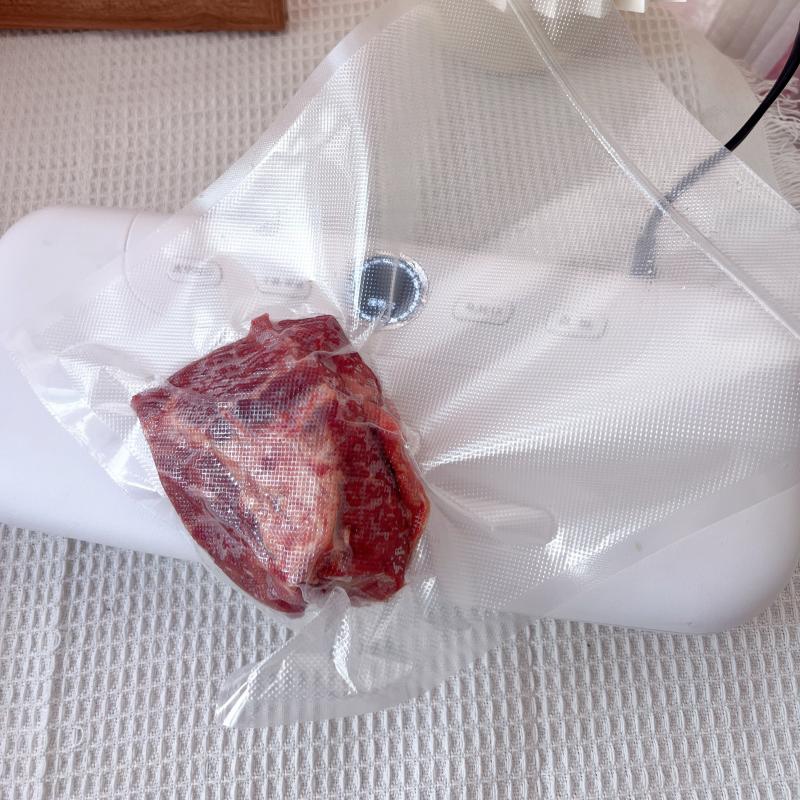
Vacuum sealing mechanically removes air from a package before sealing, dramatically slowing down oxidative spoilage and freezer burn. It's exceptionally effective for extending the shelf life of raw meats, cheeses, and fish. The sealing itself is often done via a heat seal bar after the air is evacuated.
While superb for preservation, it can be a slower process cycle, potentially limiting throughput on ultra-high-speed lines. It also typically requires pre-formed bags with a textured surface to facilitate air evacuation, which can increase material costs.
3. Objective Comparison: Heat vs. Vacuum vs. Ultrasonic Sealing
Heat vs Vacuum vs Ultrasonic: Pros and Cons
- Heat Sealing: Pros: Low cost, simple for basic pouches; Cons: High energy needs, risk of thermal damage to sensitive products, less sustainable.
- Vacuum Sealing: Pros: Extends shelf life for meats by removing air; Cons: Needs special bags, cycle time can limit maximum throughput for very high-speed lines, higher material costs.
- Ultrasonic Sealing: Pros: Energy-efficient, no residue for clean seals; Cons: Higher initial equipment cost but lower long-term, needs precise setup.
To make an informed decision, a side-by-side evaluation is crucial. The table below breaks down the critical factors for food packaging lines.
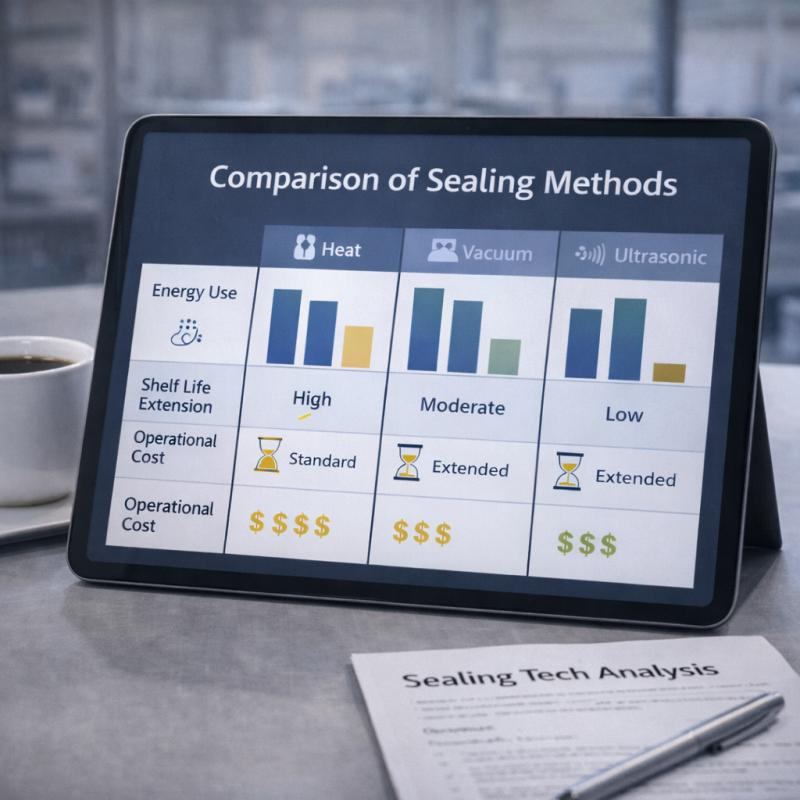
| Method | Energy Use | Shelf Life Extension | Cost (Equipment/Operational) | Automation & Speed | Ideal Application | Maintenance |
|---|---|---|---|---|---|---|
| Heat Sealing | High | Medium | Low / High | Low to Medium. Simple but requires precise temp control for consistency. | Dry goods, snacks, simple pouches. | Low |
| Vacuum Sealing | Medium | High | Medium / Medium | Medium. Evacuation cycle can limit maximum speed. | Fresh meats, cheeses, fish, coffee. | Medium |
| Ultrasonic Sealing | Low | High | Medium / Low | High. Easy to integrate with robots; fast cycle times. | Liquids, powders, oils, complex films, eco-friendly packaging. | Low-Medium |
Key Takeaways from the Data:
- For Sustainability & Efficiency: Ultrasonic sealing is the clear leader, offering the lowest energy use and clean operation without emissions.
- For Maximum Shelf Life: Vacuum and ultrasonic both excel, but ultrasonic achieves it without a separate evacuation step, offering speed advantages.
- For Complex & High-Speed Lines: Ultrasonic's rapid, consistent cycles and gentle handling of difficult products (like those with particulates or oils) make it the most adaptable technology for modern, automated packaging.
This data-driven view reveals that while each method has its place, ultrasonic sealing provides a compelling blend of performance, efficiency, and versatility for today's demanding production environments.
4.Decision Framework: Selecting the Right Method for Your Product
Choosing a sealing system is a strategic investment. Use this actionable checklist to guide your evaluation.
Step-by-Step Selection Checklist
- Analyze Your Product Profile: Is it dry, liquid, viscous, or oily? Are there powders or particulates that could contaminate the seal area? What is its heat sensitivity?
- Define Production Requirements: What is your target output (pouches/minute)? Do you require 24/7 operation? How important is quick changeover for different package sizes?
- Evaluate Material & Sustainability: What packaging films do you use (mono-layer, multi-layer, recyclable)? What are your waste reduction and energy consumption goals?
- Consider Total Cost of Ownership (TCO): Look beyond the initial equipment price. Factor in energy consumption, maintenance downtime, seal failure rates, and consumable costs.
- Prototype and Test: Always run feasibility trials with your actual product and packaging. Validate seal strength and consistency under real-world conditions.
Understanding ROI: The Ultrasonic Advantage
The return on investment for advanced sealing often comes from operational savings. Consider this framework:
A traditional heat sealer might consume 5 kW, while an ultrasonic equivalent uses approximately 1.25 kW---a 75% reduction. For a line operating 4,000 hours annually at $0.12/kWh, the annual energy savings alone amount to:
(5 kW - 1.25 kW) * 4,000 hours * $0.12/kWh = $1,800
When you add reduced product waste from fewer seal failures, lower maintenance costs, and the ability to use thinner, more sustainable films, the payback period for upgrading to ultrasonic technology can often be under two years.
5. Beyond Standard: Custom Ultrasonic Solutions for Unique Challenges
Off-the-shelf ultrasonic sealers excel at creating straight, consistent seals on flat surfaces. However, food packaging is innovating rapidly, presenting new challenges where standard solutions fall short.
Common Limitations of Standard Equipment
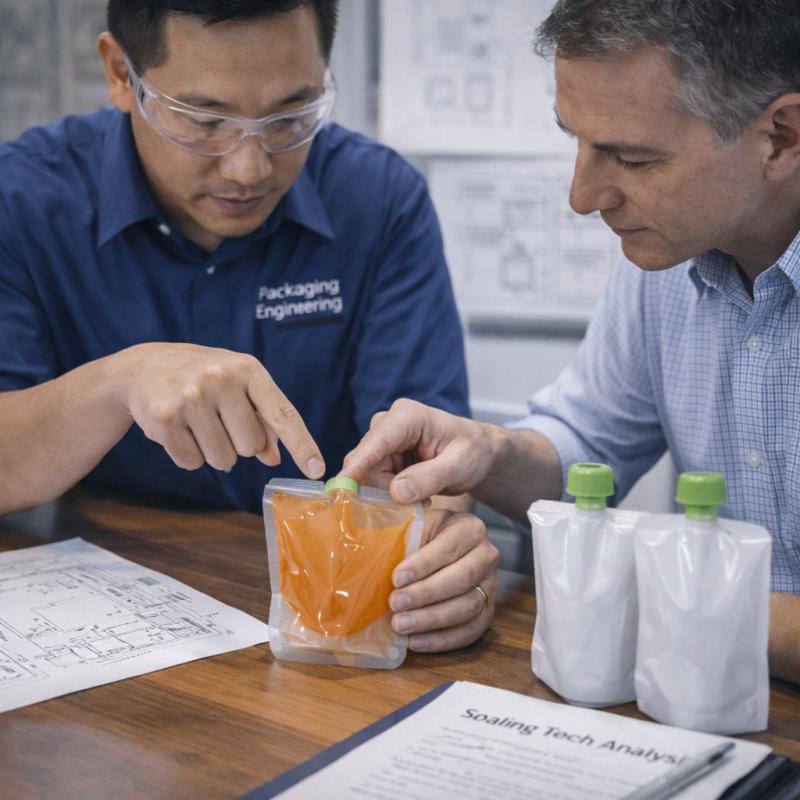
- 3D and Irregular Shapes: Sealing around pre-formed spouts, curves on meat pouches, or irregularly shaped containers.
- Complex Material Structures: Films with aluminum layers or certain coatings that can dampen or reflect ultrasonic energy.
- Contamination-Prone Areas: Products like grated cheese or marinated meats where particles or oils frequently intrude on the seal zone.
- Aesthetic-Required Sealing: Applications where even minor marking or distortion on the sealed surface is unacceptable.
Engineered Solutions from Dizo Sonics
Our 20 years of ISO 9001 and CE-certified engineering is dedicated to solving these non-standard problems. We don't just sell machines; we develop packaging solutions.
Customization Scenario 1: Leak-Proof Spouted Pouches
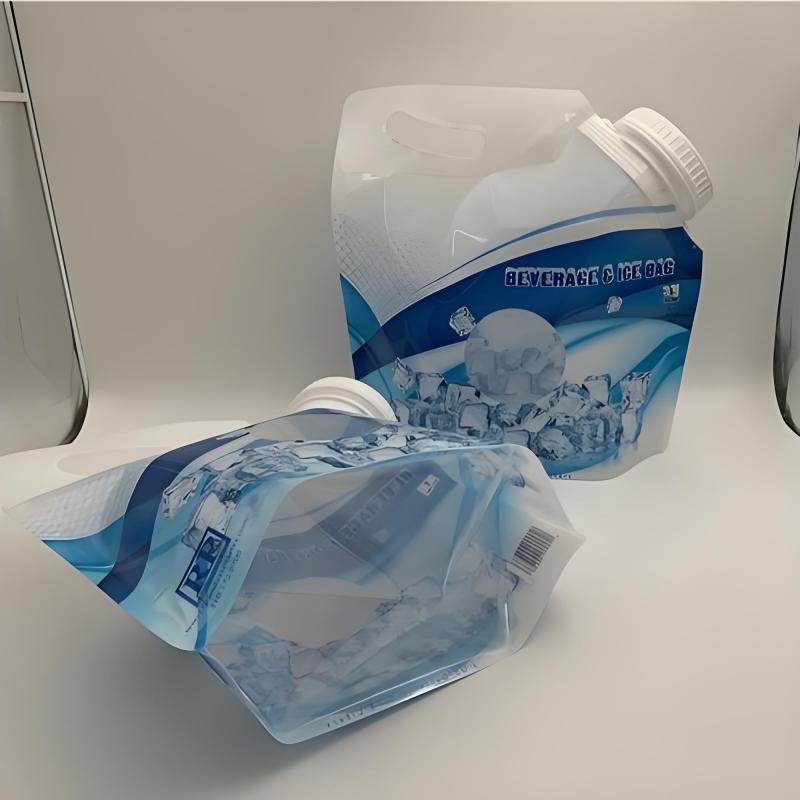
Challenge: A manufacturer of liquid beverages struggled with leaks at the base of injection-molded spouts, where uneven surfaces broke the seal.
Our Solution: We designed a custom ultrasonic anvil with a CNC-machined cavity that perfectly contour-matched the spout base. This ensured uniform pressure distribution. Coupled with a tuned amplitude profile, we achieved a 100% leak-free seal at speeds of 120 pouches per minute.
Customization Scenario 2: Mark-Free Sealing for Premium Packaging
Challenge: A appliance manufacturer (like our past client Haier) needed to apply protective film to high-gloss control panels without any visible marks or "hazing" from the sealing process.
Our Solution: We deployed our proprietary non-marking ultrasonic technology, utilizing a specially designed horn tip material and precise amplitude control. This reduced visual rejection rates by over 40%, meeting stringent aesthetic quality standards.
These examples illustrate how targeted engineering can translate complex requirements into reliable, high-speed production reality.
6. Addressing Key Industry Questions: Food Sealing FAQ
This section answers the most common questions we receive from packaging engineers and production managers.
Q1: How does ultrasonic sealing extend shelf life compared to heat sealing?
By creating an airtight, hermetic seal with minimal heat, ultrasonic welding significantly reduces oxygen ingress---the primary driver of spoilage. This can extend the fresh shelf life of products by 1.5x to 2x compared to traditional heat seals, which can be more porous and subject to failure at microscopic levels.
Q2: What is the most eco-friendly sealing method for perishable foods?
Ultrasonic sealing stands out. Its drastic reduction in energy use directly lowers carbon emissions. Furthermore, it enables the use of thinner, mono-material plastic films (which are more recyclable) and eliminates the need for adhesive layers, supporting a circular economy for food packaging.
Q3: What's the best way to seal food pouches in high-volume production?
For sheer speed, consistency, and flexibility, ultrasonic sealing is often the optimal choice. It handles a wide range of pouch types (stand-up, flat, gusseted) and contents without tooling changes. For products requiring an oxygen-free environment, a combination of ultrasonic sealing with a pre-vacuum chamber offers the ultimate in speed and preservation.
Q4: Can ultrasonic sealing be used for rigid containers and trays, not just pouches?
Absolutely. Ultrasonic tray sealing is a growing application, excellent for creating tamper-evident, leak-proof seals on plastic, PET, or APET trays containing ready meals, fruits, or salads. It effectively seals lidding film to the tray flange, even through light contamination.
Q5: How is ultrasonic seal strength validated to ensure food safety?
We adhere to rigorous international standards. Common test methods include:
- Peel Test (ASTM F88): Measures the force required to peel the seal apart (N/15mm width).
- Burst Test (ASTM F2054): Pressurizes the sealed pouch until failure, simulating drop and handling stresses.
- Dye Penetration Test: Visually identifies pinhole leaks for absolute hermeticity validation.
Our lab correlates these controlled tests with real-world performance data to establish reliable, production-ready parameters for every application.

7. Conclusion and Your Path to Optimized Sealing
The landscape of food packaging sealing is evolving. While heat sealing offers familiarity and vacuum sealing provides exceptional preservation, ultrasonic technology represents the next step forward---merging operational efficiency, environmental responsibility, and unparalleled sealing reliability.
It delivers the airtight integrity needed to maximize shelf life, the gentleness to protect product quality, and the speed to keep high-volume lines running profitably. From understanding the core principles to implementing custom solutions for unique challenges, the goal is to turn packaging into a competitive advantage.
Ready to See the Difference?
If the comparisons, frameworks, and case studies in this guide suggest ultrasonic sealing could enhance your line's performance, the logical next step is a technical consultation. Contact our application engineering team at Dizo Sonics. Share your specific product and packaging samples for a confidential feasibility review. Let's work together to build a sealing solution that ensures your products stay fresher, longer, and reach your customers in perfect condition.
Explore our range of standard and custom ultrasonic sealing machines at dizo-global.com/products. For direct engineering support, visit dizo-global.com/contact.
More Reading
- Choosing Between Ultrasonic Sealing vs Heat Sealing: A Comprehensive Guide
- Robotic Ultrasonic Welding for Packaging Manufacturing
- Advanced Automatic Welding Solutions for Smart Packaging
- Medical Plastic Packaging Guide: Sterility, Sealing & Compliance
- Ultrasonic Sealing Guide: Boost Packaging Efficiency, Quality & Sustainability | Dizo Sonics