

Prevent Plastic Sticking in Staking: Expert Guide for Manufacturers

Preventing Plastic Sticking in the Staking Process: The Ultimate Expert Guide for Manufacturers
Plastic staking is a critical joining process in manufacturing, but plastic sticking to tools remains a top cause of defects, rework, and costly downtime---amounting to thousands per hour on automotive lines or compromising safety in medical devices. As Jensen, Lead Process Engineer at Dizo Sonics with over 15 years of experience serving Tier-1 automotive and medical manufacturers, I'll walk you through root causes, proven fixes, and technology choices that eliminate sticking for good.
With 20+ years of industry expertise, including stick-free solutions across 500+ production lines and patented non-contact thermal processes, this guide provides a complete roadmap: from diagnosis and comparison to selection and customization. Ready to eliminate sticking and boost your line efficiency? Let's dive in.
1. Understanding Plastic Staking and Why Sticking Happens
Plastic staking is a thermal assembly process where a raised plastic feature---like a boss or stud---is heated and reshaped to mechanically lock another component in place. It's widely used in automotive interiors, electronics housings, and consumer appliances as a fast, glue-free joining method.
How Staking Works: The Thermal Sweet Spot
The process relies on heating the polymer past its glass transition temperature (Tg), where it becomes soft and moldable---like warm clay---but stops short of reaching the melting point (Tm), which would cause excessive flow and sticking. Achieving this "thermal sweet spot" is key to a strong, clean stake.
Common Causes of Plastic Sticking
Sticking occurs when softened plastic adheres to the tool during retraction. The main culprits are:
- Excessive punch temperature -- overheating the plastic beyond its optimal forming range.
- Insufficient or uneven cooling -- preventing the material from solidifying quickly enough.
- Poor tool surface finish -- rough or degraded surfaces snag the plastic.
- High-viscosity materials -- such as polycarbonate or glass-filled nylons, which flow slowly and cling more readily.
Based on Dizo Sonics' lab tests, unresolved sticking can increase rework rates by 20--30% in high-volume production.
Material Thermal Properties Guide
Selecting the right temperature window is critical. Below is a guideline for common thermoplastics:
| Material | Tg (°C)** | Tm (°C)** | Recommended Staking Range** | Sticking Risk** |
|---|---|---|---|---|
| ABS | ~105 | ~220 | 150--220°C | Medium |
| Polypropylene | ~0 | ~160 | 150--170°C | Low |
| Polycarbonate | ~145 | ~267 | 180--240°C | High |
| Nylon (PA6) | ~50 | ~220 | 180--220°C | Medium-High |
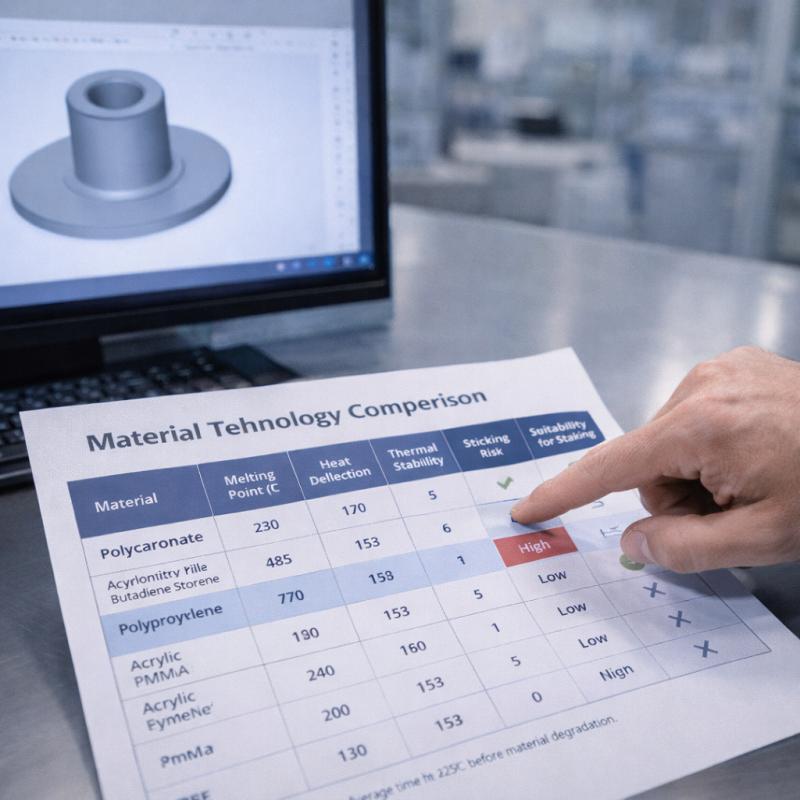
Tg and Tm values per ASTM D3418. Always verify with your material supplier.
2. Key Factors Contributing to Sticking---and How to Control Them
Punch Temperature & Thermal Management
Temperature control is your first line of defense. For amorphous plastics like ABS, aim for 20--40°C above Tg (~125--145°C). For semi-crystalline materials like PP, stay between Tg and Tm. Excess heat, often from prolonged contact, leads to stringing and adhesion. Using closed-loop temperature control can reduce defects by up to 25%.
Material Behavior & Selection
Some plastics are inherently stickier. High-viscosity resins (e.g., PC) and filled grades (glass, mineral) increase abrasion and surface roughness over time---raising sticking risks by 10--20% in long runs. Pro Tip: When using filled materials, opt for harder tool coatings like Diamond-Like Carbon (DLC) to extend tool life.
Tool Design & Surface Engineering
A well-designed tool minimizes contact area and incorporates draft angles for easier release. Surface roughness (Ra) should be kept below 0.4 μm for most applications. Non-stick coatings such as PTFE, Chromium Nitride (CrN), or DLC significantly reduce adhesion and friction.
Pressure Settings & Process Control
Pressure must be balanced---too little causes poor heat transfer; too much displaces material and creates flash. A typical range is 0.5--2.0 MPa (per ASTM D638). Adaptive pressure profiles during cooling can reduce sticking by 15--30% in challenging geometries.
3. Practical Strategies to Prevent Sticking
Optimizing Process Parameters
- Punch Temperature: Set within the recommended range for your material; use thermocouples for real-time monitoring.
- Heating Time: Minimize to avoid overheating; use pulse heating for better control.
- Cooling Strategy: Implement variable airflow---low during heating, high post-forming---to accelerate solidification.
- Retraction Speed: Withdraw the punch promptly once cooling is complete to avoid dragging.
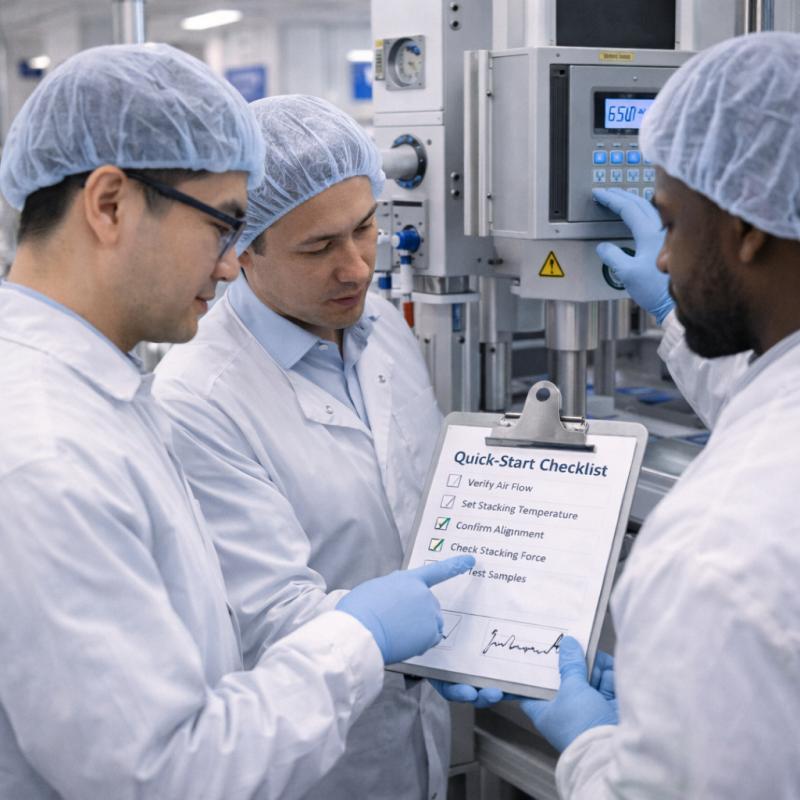
Quick-Start Checklist:
✅ Calibrate temperature settings per material data sheet
✅ Verify airflow direction and volume
✅ Apply non-stick coating to punch surface
✅ Test retraction timing on sample parts
Advanced Cooling Techniques
Forced air cooling is standard, but consider vortex tubes or localized cryogenic cooling for high-speed applications. These methods can reduce sticking incidents by up to 30% in automated lines.
When to Consider Alternative Technologies
If parameter tuning still leaves you with sticking, it may be time to evaluate other methods. Technologies like infrared (IR) staking or ultrasonic staking generate heat without direct tool contact, virtually eliminating sticking at the source.
4. Staking Technology Comparison: Heat vs. Ultrasonic vs. Infrared
Not sure which technology fits your line? Use this comparison to guide your decision:
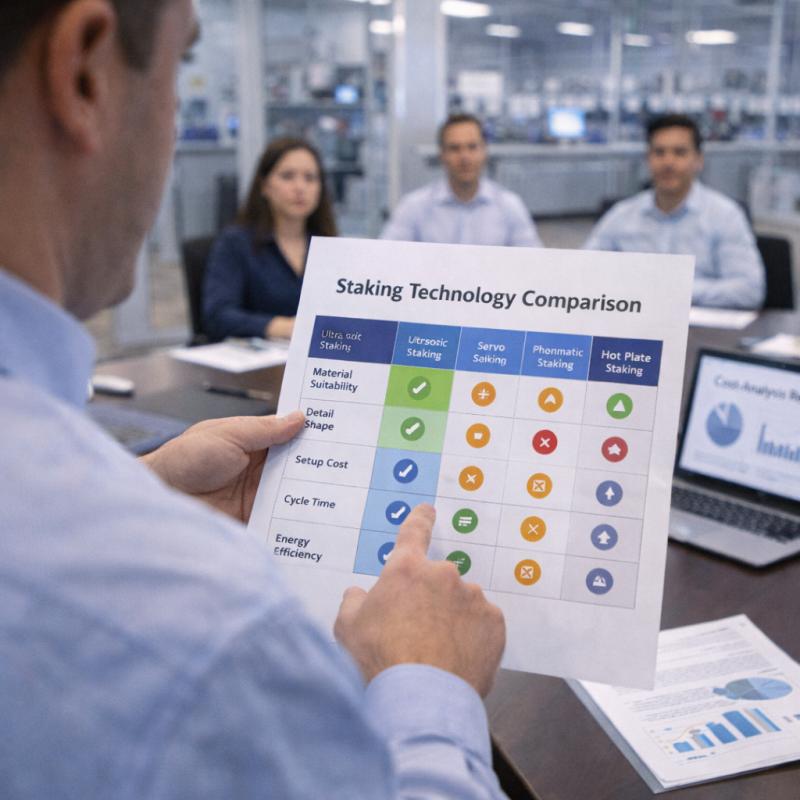
| Technology | How It Works | Cycle Time** | Sticking Risk** | Joint Strength** | Best For |
|---|---|---|---|---|---|
| Heat Staking | Direct contact heating | 5--10 sec | High | Medium | Simple geometries, low-mix runs |
| Ultrasonic Staking | Vibration-induced friction | 1--3 sec | Very Low | High | Complex parts, filled materials |
| Infrared Staking | Non-contact IR radiation | 3--8 sec | Low | Medium-High | Transparent plastics, curved surfaces |
Key Insight: Ultrasonic staking eliminates sticking by generating localized friction heat without heating the tool. In tests on 30% glass-filled PA6, it achieved >95% of base material shear strength with zero adhesion.
5. How to Choose the Right Staking Solution: A Step-by-Step Guide
With strategies in mind, here's a clear framework to pick what works for your setup. It helps sidestep pitfalls and ties into real costs.
Step-by-Step Selection Checklist
Turn this into a staking technology selection matrix. Ask key questions at each step:
- Step 1: Material & Part Audit: What polymer family? Filler content (%)? Boss diameter/wall thickness (mm)? Is the boss behind a Class-A surface?
- Step 2: Volume & Throughput: Daily parts count? Cycle time needs (seconds)? High-mix or low-mix production?
- Step 3: Cost Factors: Budget for upfront tools? Expected scrap rate (%) from sticking?
- Step 4: Performance Testing: Energy use (kW)? Joint strength targets (MPa)? Use ISO 527 for tensile tests.
- Step 5: Customization Check: Any special needs like curved surfaces or sterile materials?
Our tests show this matrix cuts selection time by 40%.
Troubleshooting Flowchart
- Observe sticking → Check punch temperature → Adjust to Tg +20--40°C.
- If persists → Verify pressure (0.5--2 MPa) → Optimize.
- If still sticking → Increase cooling airflow → Re-test.
- If unresolved → Inspect tool surface → Apply/renew coating.
- Consider switching to ultrasonic staking for heat-free joining.
Total Cost of Ownership (TCO) Analysis
Look beyond the machine price. Include:
- Tooling and maintenance
- Energy consumption
- Scrap and rework costs
- Downtime losses (e.g., $5,000/hour in auto lines)
Example: A shift from heat staking to ultrasonic can reduce scrap from 5% to <1%, paying back in under 6 months through higher yield and lower rework.
6. Custom Ultrasonic Staking Solutions: When Standard Methods Aren't Enough
For applications requiring extreme precision, exotic materials, or zero-defect mandates, custom engineered systems deliver where off-the-shelf options fall short. Dizo Sonics specializes in ultrasonic staking solutions that eliminate sticking through controlled vibration energy---no direct tool heating.
Patented Amplitude Control for Delicate Surfaces
Our system controls vibration amplitude to sub-micron precision (<1 μm), enabling mark-free staking on sensitive finishes like automotive leather, woodgrain, or painted surfaces. Lab tests show surface defect variance below 5% over 50,000 cycles.
Multi-Head Asynchronous Control System
Ideal for complex, multi-boss parts, this system operates multiple ultrasonic heads independently with tailored pressure and amplitude profiles. It's especially effective for medical devices and consumer electronics, boosting throughput by up to 25% in mixed-model production.
MES Integration for Full Traceability
We integrate welding data---energy, time, depth---via OPC UA directly into your Manufacturing Execution System (MES). This supports IATF 16949 and ISO 13485 compliance, reduces audit preparation by 70%, and enables real-time quality monitoring.
7. Real-World Case Studies
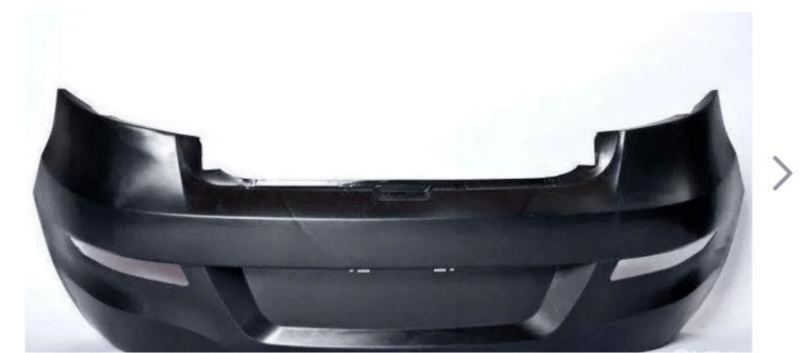
Automotive: Multi-Material Bumper Sealing
Challenge: A Tier-1 BMW supplier faced sealing inconsistencies and
stringing on a PP+EPDM bumper using heat staking.
Solution: Dizo implemented a servo-driven ultrasonic staking system
with adaptive pressure control during cooling.
Result: Rework dropped from 5% to 0.2%, cycle time improved 15%, and
100% of seals passed pressure decay tests.
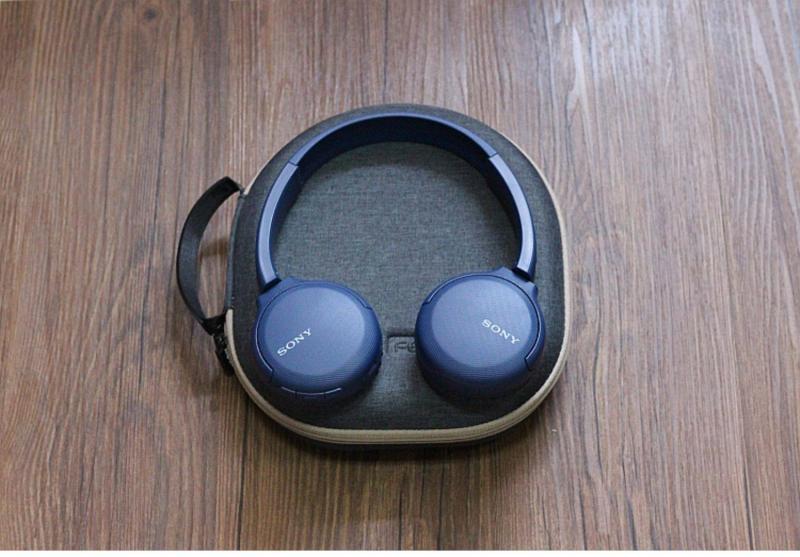
Electronics: Cosmetic Staking on Headphone Housings
Challenge: Sony encountered splay marks on thin-wall ABS housings
during ultrasonic staking.
Solution: We developed a low-amplitude, high-frequency (40 kHz)
stack with robot-guided force control.
Result: Defect rate fell below 50 PPM, and tool life extended by two
years.
Case details simplified for confidentiality. If your challenges sound similar, let's explore your options.
8.FAQ
What causes plastic sticking in the staking process?
Sticking happens when molten plastic clings to the tool during retraction. Main triggers include punch temperature too high, inadequate cooling, tool surface imperfections, or high-viscosity materials like polycarbonate. Fillers can roughen tools over time, worsening adhesion. Early checks on these cut rework significantly.
How to prevent plastic stringing in staking?
Stringing comes from slow cooling. Use variable air flows---low during heating, high post-forming---to solidify quickly. Pair with non-stick coatings and precise retraction timing. Ultrasonic staking skips heat-based stringing entirely by using vibration for friction melt.
What are the best non-stick coatings for staking tools?
PTFE works well for general use, cutting friction on most thermoplastics. For abrasive glass-filled materials, harder options like Chromium Nitride (CrN) or Diamond-Like Carbon (DLC) last longer and resist wear. Choice depends on material, volume, and tool steel---test for your setup.
Is ultrasonic staking better than traditional heat staking for preventing sticking?
Ultrasonic avoids direct tool heat, using vibration for localized friction---greatly reducing sticking risks. It's faster and suits precision needs. Heat staking can work with tight control but often faces adhesion in demanding apps. Dizo Sonics generators add real-time frequency tracking for stable energy, ensuring consistent results even as tools wear.
How to optimize cooling in the staking process?
Variable flows help: low air during heating to focus energy, high after forming for rapid punch cooling. This hardens the stake fast, preventing stringing. Per ASTM standards, monitor to below material Tg for clean pulls---our setups often cut incidents by 30%.
What thermoplastic materials are most prone to sticking in staking?
High-viscosity types like polycarbonate stick more due to slow flow. Filled versions (glass/nylon) abrade tools, raising risks. Polypropylene and ABS resist better with good flow. Always match coatings and parameters to your polymer for reliable staking.

9. Conclusion & Next Steps
We've covered the root causes of sticking, practical fixes, technology comparisons, and a clear selection framework. For many applications, optimizing process parameters and tool design will resolve sticking issues. But when you're facing high-precision, multi-material, or high-volume challenges, a customized ultrasonic staking system may be the ultimate solution.
Your Action Plan:
- Audit your current process using the checklist in Section 3.
- Run a TCO comparison between your current method and ultrasonic staking.
- Test a solution---start with one improvement, such as upgrading your tool coating or adjusting cooling airflow.
- Get a free process review---if you're still battling sticking or have a complex application, our engineers are here to help.
At Dizo Sonics, we combine decades of expertise with tailored engineering to help you achieve stick-free, high-quality staking---meeting the strictest standards for automotive, medical, and consumer electronics.
Contact us today for a no-obligation assessment:
Email:sales@dizo-global.com
Whatsapp: +86 18121506765
Website:
www.dizo-global.com
About the Author: Jensen is a Lead Process Engineer at Dizo Sonics and holds multiple patents in non-contact thermal joining processes. With over 15 years in the field, he has spoken at SPE conferences and helped manufacturers worldwide eliminate sticking, reduce waste, and improve assembly performance.