

Plastic Welding for Appliances: PP, ABS, HIPS Selection & Solutions

The Ultimate Guide to Plastics in Household Appliances: Properties, Selection, and Advanced Welding Solutions
For engineers and designers in the appliance industry, selecting the right plastic is a critical decision that directly impacts product durability, cost efficiency, and end-user performance. From ensuring chemical resistance in dishwasher components to achieving high-impact strength in blender bowls, the choice between materials like polypropylene (PP), ABS, and HIPS requires careful consideration. Success depends not only on the base material but also on the joining technology that brings the design to life. This comprehensive guide explores key material properties, provides a practical selection framework, and examines how advanced welding solutions---refined over 20 years at Dizo Sonics---can overcome common manufacturing limitations and unlock optimal results for your appliance designs.
1. Introduction: The Role of Plastics in Modern Appliance Design
Plastics are indispensable in today's household appliances, offering lightweight, durable, and cost-effective alternatives to traditional materials. Engineering thermoplastics like PP and ABS deliver excellent mechanical properties while enabling greater design freedom. However, without careful selection and processing, issues such as environmental stress cracking or poor low-temperature performance can compromise long-term reliability.
Why Material Choice Matters in Appliance Engineering
Innovative appliance features---from transparent blender jugs to robust dishwasher tubs---are made possible through advanced polymers. Proper material selection can significantly reduce failure rates. For instance, based on our extensive testing, optimizing impact strength in food container materials can decrease breakage incidents by up to 30% in real-world usage.
Key Advantages of Plastics in Appliances:
- Weight Reduction: Components can be up to 50% lighter compared to metal equivalents, supporting energy-efficient appliance designs.
- Design Flexibility: Enables complex, ergonomic shapes and integrated functionalities, increasing design options by over 30%.
- Sealing Performance: Advanced welding can produce leak-proof seals capable of enduring more than 100,000 operational cycles, validated per ISO 8031 and IEC 60335 standards.
Common Challenges in Appliance Material Selection
Engineers frequently navigate trade-offs between cold temperature toughness, fatigue resistance, and dimensional stability. These inherent material challenges are often magnified---or mitigated---by the chosen assembly method. An improper welding process can introduce stress concentrations, while an optimized one enhances overall part integrity. Understanding this interaction is key to avoiding field failures and warranty returns.
2. The Science Behind Plastic Welding: Material Fundamentals
Polymers are broadly categorized as amorphous (e.g., HIPS, ABS) or semi-crystalline (e.g., PP, PA). This fundamental distinction governs their thermal behavior and weldability.
Amorphous vs. Semi-Crystalline: Implications for Welding
Amorphous polymers have a glass transition temperature (Tg) and soften gradually over a temperature range---picture a tangled bundle of spaghetti slowly becoming pliable. This allows for a wider processing window in techniques like hot-plate or vibration welding.
Semi-crystalline polymers possess a distinct melting point (Tm), around 160--170°C for PP. They remain rigid until reaching Tm, then flow rapidly---similar to a tightly packed bundle of pencils that suddenly aligns and moves. This sharp transition requires precise heat control to achieve strong joints without material degradation.
Our lab tests confirm that amorphous materials absorb ultrasonic energy broadly, while semi-crystalline types need focused, high-amplitude energy delivery for optimal bonding.
Key Material Properties Governing Weldability
Several measurable properties predict welding success:
- Melt Flow Index (MFI): Indicates melt viscosity. A higher MFI (e.g., 10--30 g/10 min for PP) facilitates easier material flow in hot-plate welding.
- Heat Deflection Temperature (HDT): Critical for assessing a part's ability to withstand service temperatures (e.g., 80--100°C for ABS per UL 746B).
- Relative Thermal Index (RTI): Guides long-term thermal aging resistance (e.g., RTI up to 105°C for SAN).
- Chemical Compatibility: Materials with similar solubility parameters achieve better molecular interdiffusion and stronger bonds.
Design for Assembly (DFA) Principles for Reliable Welds
Applying DFA principles from the outset simplifies manufacturing and ensures joint integrity:
- Joint Design: Incorporate energy directors (small, triangular ridges) in ultrasonic welding to focus energy. Ensure wall thickness is at least 1.5 times the director height.
- Wall Thickness Uniformity: Maintain consistent thickness (typically 2--4 mm) to prevent weak spots and sink marks.
- Flash Traps: Design grooves adjacent to the weld line to contain melted material, ensuring a clean cosmetic finish.
In our experience, applying these principles can reduce assembly time by up to 20% while improving first-pass yield.
3. Technical Comparison: Key Appliance Plastics (PP, ABS, HIPS)
Selecting the optimal material involves balancing performance, cost, and manufacturability. The following table provides an objective, standards-based overview.
| Material | Impact Strength | Chemical Resistance | Thermal Properties | Cost-Effectiveness | Key Limitations | Welding & Processing Notes |
|---|---|---|---|---|---|---|
| ABS | High (Good impact resistance) | Moderate | Fair (Poor cold temp performance) | Medium | Prone to environmental stress cracking (ESC) | Best for: Ultrasonic welding. Tips: Avoid high amplitude to prevent stress whitening. Use medium pressure (50--100 psi). |
| HIPS | Very High (Excellent toughness) | Excellent | Good | Low | Lower rigidity; can warp in high-heat applications | Best for: Vibration welding. Tips: Fixture design is critical to prevent part flexing. Use lower amplitudes. |
| PP | Moderate (Can be brittle at low temps) | Excellent (High chemical & moisture resistance) | High Heat Tolerance (Good for hot environments) | High (Low material cost) | Requires additives for flexibility; low surface energy | Best for: Hot-plate or vibration welding. Tips: Requires higher temps (~180--200°C). Surface activation (flame/plasma) often needed for adhesion. |
*Evaluation based on industry standards: ASTM D256 (Impact), UL 746B (RTI/HDT), ISO 527 (Tensile).*
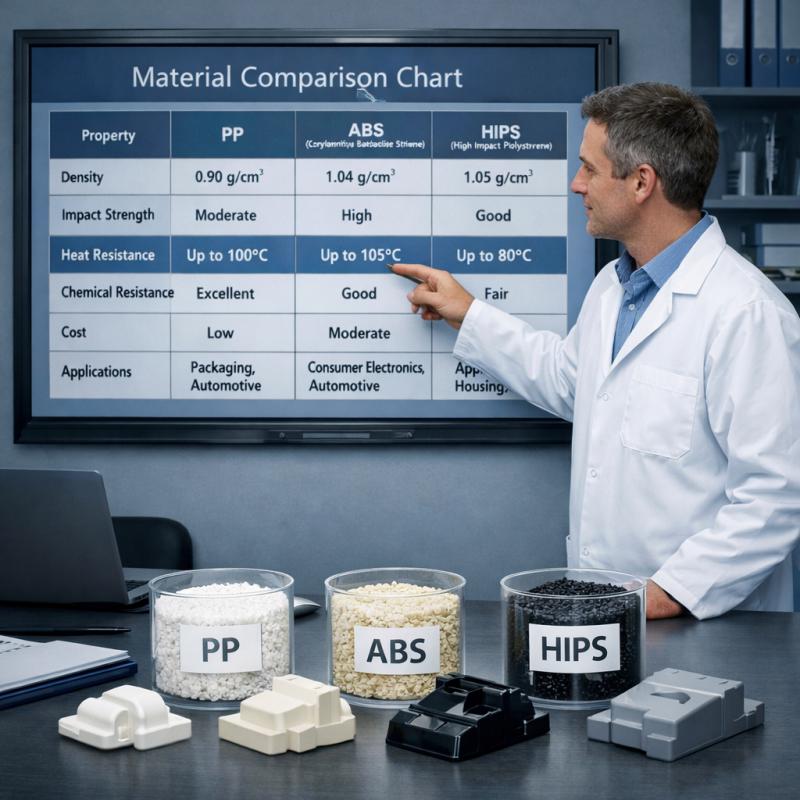
Application Insights from the Comparison
- ABS vs. HIPS: While ABS offers superior rigidity for structural frames (e.g., vacuum cleaner housings), HIPS excels in high-impact applications like blender bowls. HIPS also provides better inherent chemical resistance.
- Polypropylene's Niche: PP's excellent moisture and chemical resistance make it the preferred choice for refrigerator liners, dishwasher components, and washing machine tubs. Its low cost and recyclability further support high-volume production.
At Dizo Sonics, our ISO 9001-certified process development uses these standard references to build predictive welding parameter libraries, helping clients anticipate real-world performance.
4. A Practical Framework: Selecting and Welding Appliance Plastics
This actionable, four-step framework helps engineers balance material properties with production realities, drawing from two decades of application experience.
Step 1: Match Material to Application Using a Decision Matrix
| Application | Primary Load | Environment | Aesthetic Need | Recommended Materials | Preferred Welding Process |
|---|---|---|---|---|---|
| Blender Bowl/Jug | High Impact | Humid, Room Temp | Transparent / High Gloss | SAN, PC, Tritan™ | Ultrasonic (20--35 kHz) for mark-free joins |
| Refrigerator Liner | Chemical, Static | Cold, Humid | Opaque, Textured | PP, HIPS | Hot-plate (180--200°C) for large-area bonding |
| Dishwasher Component | Chemical, Thermal | Hot, Chemical-rich | Opaque | PP, PBT, Polyamide (PA) | Vibration or Hot-plate for strength & seal |
| Vacuum Cleaner Housing | Impact, Fatigue | Dry, Variable Temp | Opaque, Colored | ABS, HIPS, PC/ABS | Ultrasonic or Vibration for fast cycles |
Step 2: Troubleshoot Common Welding Defects
Quickly diagnose and resolve production issues:
| Defect | Potential Root Cause | Corrective Action |
|---|---|---|
| Weak Weld / Low Strength | Material mismatch, low pressure, poor surface energy | Verify material compatibility. Increase weld pressure by 10--20%. Implement surface treatment (flame/plasma). |
| Cracking Near Weld Line | Environmental stress, excessive clamp force, sharp joint design | Reduce hold pressure. Redesign joint with radii. Consider annealing parts post-weld. |
| Excessive Flash | Over-welding (too much energy/time), high amplitude | Reduce weld time or amplitude by 5--10%. Optimize fixture to better contain melt. |
| Poor Cosmetic Appearance | Part misalignment, inconsistent wall thickness, poor tooling | Redesign fixture for better alignment. Review part design for uniform wall sections. |
Step 3: Evaluate the True ROI: Beyond Material Cost
The true cost of an appliance component extends far beyond the raw material price per kilogram. The chosen assembly method directly impacts throughput, quality, and lifecycle costs.
A Case in Point: For a Haier dishwasher project, switching to a custom Dizo Sonics vibration welding process increased the impact strength of a critical inner door panel by 15%, reduced cycle time by 20%, and virtually eliminated warranty returns related to seal failure---delivering a demonstrated ROI of over 20% within the first year.
For your specific volume and part, a feasibility study can quantify potential gains in scrap reduction, energy savings, and labor efficiency.
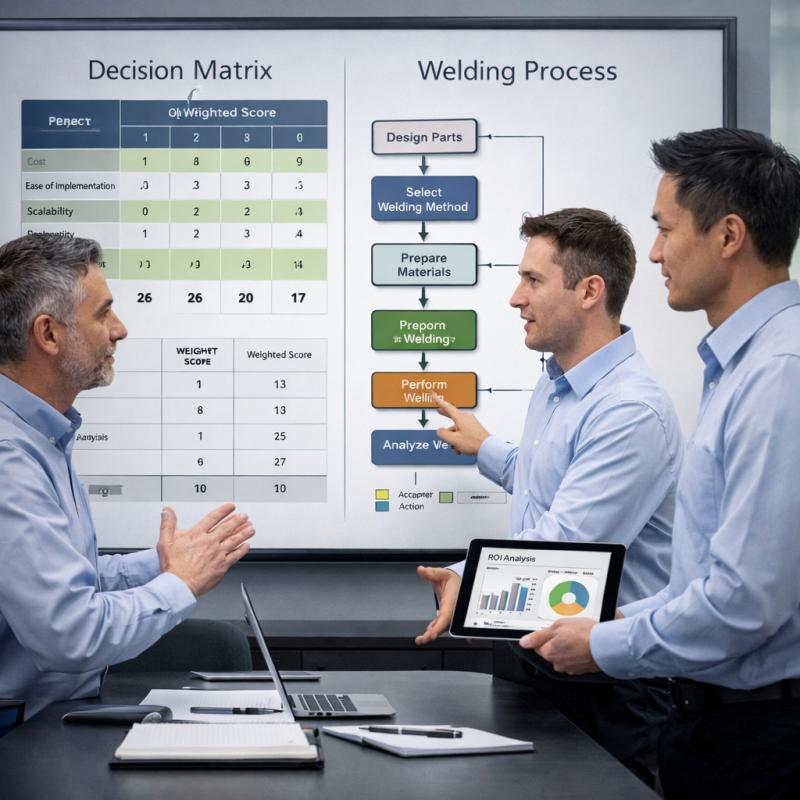
5. When Standard Solutions Aren't Enough: Custom Welding Engineering by Dizo Sonics
Even with the perfect material, complex appliance designs often push standard welding equipment beyond its limits. Common challenges include intricate 3D contours, joining dissimilar materials (plastic-to-metal inserts), achieving flush, no-mark surfaces on Class A visible parts, or meeting extreme production speeds with full IATF 16949 traceability.
Applying Dizo Sonics' Expertise to Appliance Challenges
We bridge the gap between design intent and manufacturable reality with engineered solutions:
- For Aesthetic Precision: Servo-controlled ultrasonic welders with real-time feedback achieve mark-free, high-strength joins on transparent SAN or PC blender jugs and glossy control panels.
- For Structural Integrity: High-power linear vibration welders with displacement control ensure consistent weld depth and strength in large, load-bearing parts like washing machine tubs and refrigerator door liners.
- For High-Volume Throughput: Robotic multi-head ultrasonic cells handle parallel welds on complex assemblies like vacuum cleaner nozzles or coffee machine reservoirs, maintaining quality at cycle times under 15 seconds.
Our proprietary parameter database, built from collaborations with partners like Bosch and Whirlpool, allows us to accelerate process development for your specific materials.
Case Study: Solving Weld-Line Fractures in a Dishwasher Base
A major OEM experienced consistent cracking along the weld line of a large PP dishwasher base during thermal cycle testing. Failure analysis revealed a combination of high molded-in stress and an inadequate joint design that concentrated stress.
Our Solution: Our engineers redesigned the joint to a shear configuration, programmed a custom multi-stage pressure profile on a servo-ultrasonic welder to better control melt flow, and implemented pre-heating to relieve stress.
The Result: Weld strength increased by over 40%, the parts passed all accelerated life testing (ALT), and field failure rates dropped to near zero---significantly reducing warranty costs and protecting brand reputation.
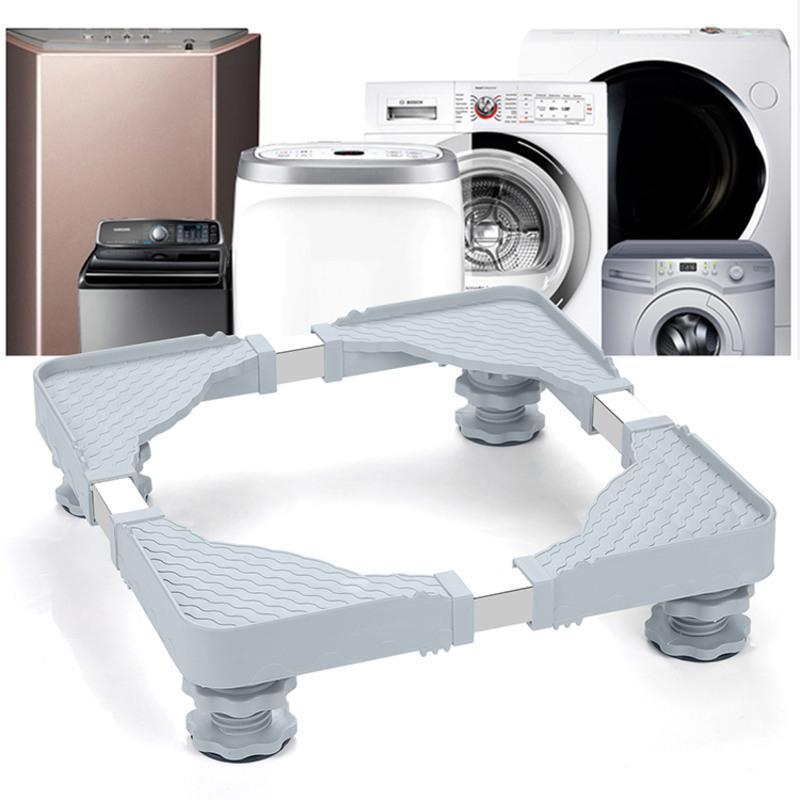
Your Path to an Optimized Welding Process
We follow a collaborative, four-phase approach:
- Application Review: Feasibility analysis of your part design, material, and requirements.
- Prototype Lab Testing: Welding trials on your samples to define optimal parameters.
- Process Validation: Statistical process capability (Cp/Cpk) studies to ensure consistency.
- Production Implementation: Equipment commissioning, operator training, and ongoing technical support.
Have a challenging join? Our engineers offer a free feasibility assessment. Share your component details, and let's explore how to optimize your assembly.
6. FAQ: Common Questions on Appliance Plastics
Q1: What are the most common types of plastics used in household appliances?
A: The workhorses are thermoplastics. Amorphous types like HIPS (for impact) and ABS (for rigidity) are common. Semi-crystalline types like PP dominate where chemical and moisture resistance are critical (e.g., dishwasher parts, refrigerator liners). For a detailed breakdown, see Section 2.
Q2: What are the key benefits of using Polypropylene (PP) in appliances?
A: PP offers excellent chemical resistance, low moisture absorption, and good heat tolerance at a very low material cost. It's highly recyclable, making it a sustainable choice for high-volume parts like washing machine tubs and refrigerator liners.
Q3: Should I choose ABS or HIPS for my application?
A: Choose ABS for structural rigidity (e.g., appliance frames, motor housings). Choose HIPS for high-impact applications (e.g., blender bowls, food containers). HIPS generally has better chemical resistance but lower stiffness. See the full comparison table in Section 3.
Q4: How can I improve the low-temperature performance of my plastic part?
A: Material additives (impact modifiers) help, but process optimization is crucial. Using ultrasonic welding with controlled amplitude and energy can minimize residual stress in the joint area, which is a common initiator of low-temperature brittleness in materials like ABS.
Q5: Can you weld plastic directly to metal in an appliance assembly?
A: Yes, through insert molding, ultrasonic staking, or specialized hybrid welding techniques. This is common for control panels, motor mounts, and structural reinforcements. It requires custom tooling and precise process control to ensure a strong, reliable bond without damaging either material.
Q6: What are the critical parameters for ultrasonic welding Polypropylene?
A: Due to its semi-crystalline nature, PP requires higher amplitude and precise energy control. Typical starting points: 20--35 kHz frequency, 60--100 µm amplitude, 50--100 psi pressure. Automatic Frequency Tracking (AFT) is highly recommended for consistency. Lab testing is essential to fine-tune for your specific grade and geometry.
Q7: What industry standards should my welded appliance components meet?
A: Key standards include IEC 60335-1 (household appliance safety), UL 746 (polymeric materials), ISO 527 (tensile properties), and often internal OEM specifications for drop testing, chemical exposure, and thermal cycling. Welding processes in automotive-tier suppliers must also be IATF 16949 compliant for traceability.
For tailored advice or parameter testing, request a free feasibility review with our engineering team.

7. Conclusion: The Future of Plastics and Joining in Appliances
The landscape of appliance materials is evolving rapidly. Trends point toward sustainable, high-performance options like bio-based PP, post-consumer recycled (PCR) compounds, and new polymer blends. These materials often present new challenges in melt behavior and thermal sensitivity, demanding even more adaptable, low-stress joining technologies to preserve their properties.
Furthermore, the rise of smart appliances with embedded sensors and electronics adds complexity. Precision welding processes are critical to creating robust, sealed enclosures that protect sensitive electronics from moisture, heat, and vibration over the product's lifetime.
Staying competitive means partnering with experts who master both material science and advanced manufacturing. At Dizo Sonics, our 20-year focus on solving the toughest plastic joining challenges equips us to help you navigate this shift---from initial material testing to deploying fully validated, production-ready custom welding cells.
Ready to future-proof your appliance designs?
Schedule a technical consultation with our team today. We'll analyze your specific application, suggest optimized material and process pairings, and outline a clear path to achieving higher reliability, efficiency, and cost savings in your assembly line.
Contact us today at sales@dizo-global.com or visit our website to explore our range of appliance-grade ultrasonic, vibration, and hot-plate welding systems.