

What Is the Best Material for Car Headlight?

Ever wondered how your car's headlights pierce darkness while resisting weather, debris, and decades of use? Headlights are more than just lights—they're a key part of every car, and the car headlight plastic materials we use to make them have undergone significant technological evolution over the years.
In this article, we're diving into the world of car headlight materials. We'll trace their evolution from early glass to advanced polymers, then dissect the modern material science behind today's headlights.

Table of Contents
Evolution of Headlight Materials: From Glass to Plastic
Common Materials Used in Modern Car Headlights
Why Polycarbonate is the Preferred Material for Headlight Lenses
Components of a Car Headlight and Their Materials
Advantages of Plastic Headlights Over Glass
Challenges and Maintenance of Plastic Headlights
Future Trends in Headlight Materials
FAQs
Conclusion
Evolution of Headlight Materials: From Glass to Plastic
Car headlights have been around almost as long as cars themselves, and the materials used for car headlights to make them have changed a lot over time. It's a story that shows how automotive technology keeps getting better, adapting to new challenges and needs.
A Bright Beginning: The Glass Era
By the 1910s, electric headlights with glass lenses became mainstream. They were simple lanterns or oil lamps, barely lighting the road ahead.
Then, electric headlights came along, and everything changed. These early electric headlights used glass lenses, and for good reason. Glass is super clear, letting light shine through easily, and it's tough enough to handle the heat from those old bulbs.
Plus, it was durable for bumpy rides on early roads. Often paired with brass or metal frames, glass headlights were a solid choice.
By the 1940s, we saw sealed-beam headlights take over. Sealed beam units dominated until the 1980s, integrating filament, reflector, and borosilicate glass. They worked great and became the standard for decades.
The Plastic Revolution
The 1980s saw polycarbonate supplant glass due to weight and manufacturing advantages, enabling aerodynamic designs previously impossible.
The big switch happened because plastics, like polycarbonate, brought some awesome perks. They're way lighter than glass, which helps cars use less gas. They're also tougher—less likely to crack in a crash—making them safer too.
On top of that, plastics can be molded into cool, curvy shapes, giving designers more freedom to make headlights that look good and help cars slip through the air better.
So, the move from glass to plastics wasn't just a random change—it was about making cars lighter, safer, and more stylish. Glass had its moment, but plastics took headlights to the next level, and they've been shining bright ever since.
Common Materials Used in Modern Car Headlights
When we pop the hood or take a closer look at a car's front end, the headlights might seem simple—just a bulb and a lens, right? But a lot is going on behind the scenes, and the car headlight plastic materials used to make them are pretty fascinating.

Polycarbonate (PC): The Star of the Show
If we had to pick one car headlight plastic material that shines in modern headlights, it's polycarbonate, or PC for short. Polycarbonate dominates lenses for its optical and mechanical properties.
It's also super lightweight, helping cars stay fuel-efficient. And let's not forget its clarity—PC is crystal clear, letting all that light through without a hitch. Plus, it's easy to mold into complex shapes, which is great for designers who want to give cars a sleek, aerodynamic look.
Polypropylene (PP): The Sturdy Supporter
While polycarbonate is busy being the lens, polypropylene, or PP, often takes on the role of the housing—the part that holds everything together. It's not as flashy as PC, but it's tough, resistant to chemicals, and can handle heat pretty well.
That's important because headlights can get hot, and PP won't warp or melt easily(heat deflection temperature of 100-140°C). It's also lightweight and cheap to produce, which is a win for car headlight manufacturers. You might find PP in things like food containers or car bumpers.
Other Plastics: The Specialized Team
Headlights aren't just about the lens and housing; there are other parts too, and each might use a different plastic depending on what it needs to do.
ABS (Acrylonitrile Butadiene Styrene): This plastic is often used for internal components or brackets. It's strong, rigid, and can be easily molded. Think of it like the plastic in LEGO bricks—tough and dependable.
PMMA (Polymethyl Methacrylate): Also known as acrylic, PMMA is sometimes used for light guides or decorative parts. It's clear like glass but lighter and more impact-resistant. You might see it in things like aquarium tanks or display cases.
PBT (Polybutylene Terephthalate): This one's great for parts that need to handle heat and electricity, like connectors or bulb sockets. It's stable and doesn't catch fire easily, which is crucial around electrical components.
PET (Polyethylene Terephthalate): You probably know PET from soda bottles, but in headlights, it might be used for reflectors or other parts that need to be strong and heat-resistant.
PA (Polyamide): Also called nylon, PA is tough and can handle wear and tear. It might be used for clips or fasteners inside the headlight assembly.
Why Polycarbonate is the Preferred Material for Headlight Lenses
When it comes to modern car headlights, one car headlight material stands out as the clear favorite for lenses: polycarbonate. Polycarbonate offers a unique combination of properties that make it ideal for headlight lenses, from its incredible toughness to its crystal-clear transparency.

A Superhero Shield for Your Headlights
1. Impact Resistance: Tough as Nails
One of the biggest reasons polycarbonate is used for headlight lenses is its incredible impact resistance. Polycarbonate's impact resistance is 250x greater than glass(UL Prospector datasheets).
This makes it a much safer option—if you're ever in a minor fender bender, your headlight lens is less likely to crack or shatter, reducing the risk of sharp debris.
2. Lightweight Nature: Less Weight, More Efficiency
Polycarbonate is significantly lighter than glass, which might not sound like a big deal at first, but it adds up. Every ounce counts when it comes to fuel efficiency, and lighter materials help cars use less gas.
Plus, lighter headlights make the car easier to handle and can even improve performance.
3. Transparency: Let There Be Light
Headlights need to be bright, and polycarbonate delivers. This plastic is highly transparent, allowing maximum light from the bulb to pass through. That means better visibility on the road, especially at night or in bad weather.
4. Moldability: Shaping the Future of Design
One of the coolest things about polycarbonate is how easy it is to mold into complex shapes. This gives car designers the freedom to create sleek, aerodynamic headlights that not only look great but also help the car cut through the air more efficiently.
Whether it's a sharp, angular design or a smooth, curved lens, polycarbonate makes it possible.
Protecting the Protector: UV Coatings and More
Over time, exposure to the sun's UV rays can cause the lenses to yellow or fog up, which reduces their clarity and effectiveness. That's why car headlight manufacturers apply special UV-protective coatings to the lenses. Multilayer UV-coatings (e.g. Bayer Makrofol®) block 99% UV A/B while providing anti-scratch hardness up to 3H pencil grade.
But even with these coatings, polycarbonate can scratch more easily than glass. That's a small trade-off for all the benefits it offers, and with proper care—like regular cleaning and avoiding abrasive materials used for car headlights—you can keep your headlights looking sharp.
Components of a Car Headlight and Their Materials
Car headlights might look simple from the outside, but they're actually made up of several key parts, each with a specific job to do. From the lens that shapes the light to the housing that holds everything together, every component is carefully designed and made from car headlight materials chosen for their unique properties.

The Lens: Polycarbonate's Time to Shine
Let's start with the most visible part of the headlight: the lens. This is the clear cover that protects the bulb and helps direct the light onto the road. Polycarbonate (PC) is the go-to material here. Why? Because it's incredibly tough—think of it like a shield that can take a hit without cracking.
To keep the lens from yellowing or fogging up over time due to UV rays, car headlamp suppliers apply a special protective coating. This coating acts like sunscreen for your headlights.
The Reflector: Bouncing Light Where It's Needed
Behind the lens, there's the reflector—a curved surface that bounces the light from the bulb forward, shaping it into a beam that lights up the road. Reflectors are often made from polycarbonate or polypropylene (PP), but with a twist: they're coated with a thin layer of reflective car headlight material, usually aluminum.
Why use plastic for the reflector? Plastics like polycarbonate and polypropylene are lightweight, easy to shape, and durable. They can handle the heat from the bulb without warping, and they're cheaper to produce than metal alternatives.
The Housing: Holding It All Together
The housing is the backbone of the headlight—it holds the lens, reflector, bulb, and all the other components in place. It's usually made from polypropylene (PP) or ABS (Acrylonitrile Butadiene Styrene). These plastics are chosen because they're strong, heat-resistant, and can be molded into complex shapes.
The Bulbs: Lighting the Way
Now, let's talk about the heart of the headlight: the bulb. While bulbs aren't made of plastic, they're a crucial part of the system, so they're worth a quick mention. Most modern cars use one of three types of bulbs: halogen, HID (High-Intensity Discharge), or LED (Light-Emitting Diode).
Each type has its own car headlight material considerations, especially when it comes to managing heat and ensuring longevity.
- Halogen bulbs are filled with gas and have a tungsten filament, similar to old-school incandescent bulbs.
- HID bulbs use a mix of gases and metal salts to create a bright, efficient light.
- LED bulbs are made from semiconductor materials that light up when electricity passes through them.
Electronic Parts: The Brains Behind the Beam
Modern headlights often include electronic components like wiring, connectors, and sometimes even small circuit boards for advanced features like adaptive lighting. These parts need to be reliable and able to withstand the heat and vibrations of the road.
That's why car headlight plastic materials like PBT and PA are commonly used here. PBT is great for connectors because it's stable, heat-resistant, and doesn't catch fire easily. PA, also known as nylon, is tough and can handle wear and tear.
Advantages of Plastic Headlights Over Glass
Remember when car headlights were made of heavy, breakable glass? Those days are long gone, and for good reason!
Weight Reduction and Fuel Efficiency
One of the biggest perks of plastic headlights is how much lighter they are compared to glass. Every pound counts when it comes to your car's performance. Plastic headlights help shave off pounds, making your car more fuel-efficient.
Design Flexibility
Plastic isn't just light; it's also incredibly versatile. Unlike glass, which is rigid and hard to shape, plastic can be molded into all sorts of cool, complex designs. This means car designers can let their imaginations run wild, creating headlights that are sleek, curved, and perfectly integrated into the car's overall look.
But it's not just about style—those aerodynamic shapes help the car slip through the air more smoothly, which can boost performance and even improve fuel efficiency.
Cost-Effectiveness
Plastic headlights are cheaper to produce than glass ones, and that's a win for everyone. PC headlights cost $17.50/unit vs tempered glass $31.80 (Deloitte Auto). Car headlight manufacturers can make them faster and at a lower cost, which often means more affordable cars for us.
Plus, because plastic is easier to work with, it opens the door to more innovation—those savings can be reinvested into other features that make your car even better.
Durability and Safety: Tough as Nails
Safety is always a top priority, and plastic headlights have a big advantage here, too. Unlike glass, which can shatter into sharp, dangerous pieces in an accident, plastic is much more durable. It can take a hit without breaking, reducing the risk of injury from flying debris.
Plus, plastic is more resistant to scratches and chips, so your headlights stay clearer for longer. That means better visibility on the road and less hassle for you.
 Ads
Ads
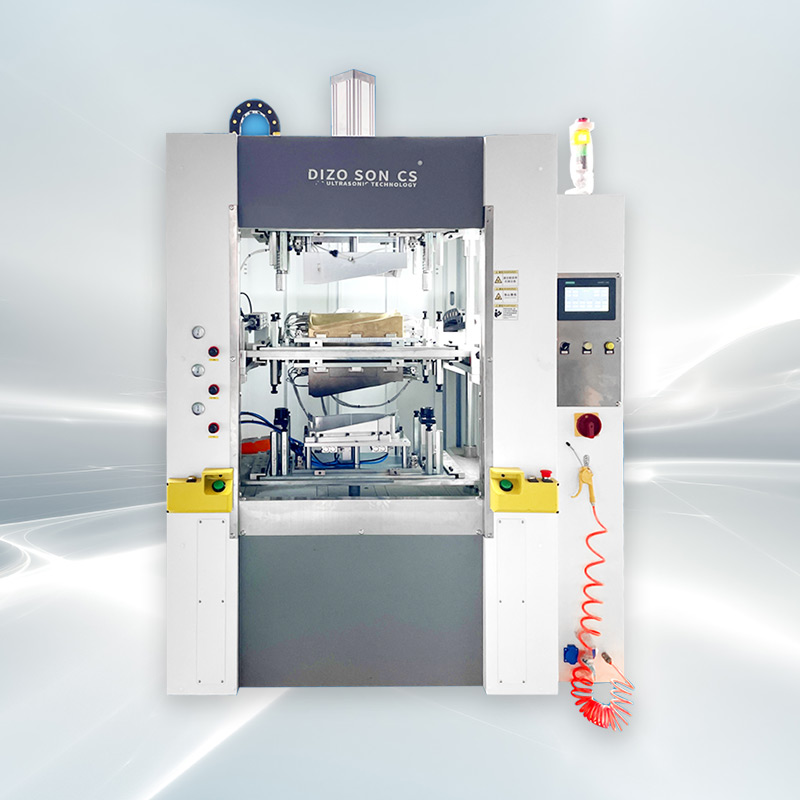
Custom Auto Lamp Welding Machine
Dizo's automotive lamp hot plate welding machine provides an efficient, high-precision solution for permanently bonding plastic lamp components.
Challenges and Maintenance of Plastic Headlights
Over time, we might notice a few common issues popping up, like UV degradation, yellowing, and scratching. Proactive maintenance prevents 80% of degradation.
The Main Challenges: UV Degradation, Yellowing, and Scratching
Plastic headlights face a few natural enemies. Here's what we're up against:
- UV Degradation: Sunlight isn't just tough on our skin—it can wreak havoc on plastic headlights too. Prolonged exposure to ultraviolet (UV) rays breaks down the plastic over time, making it cloudy and less transparent. That haziness doesn't just look bad; it can dim the light reaching the road, which isn't great for nighttime driving.
- Yellowing: This is a pesky type of discoloration that creeps in as the plastic reacts to UV light and oxygen. Picture an old, faded photo—it's that same yellowish vibe. Yellowed headlights don't just age the look of our cars; they can also weaken the beam, making it harder to see what's ahead.
- Scratching: Unlike glass, plastic is softer, so it's more likely to pick up scratches from flying debris, rough car washes, or even a too-enthusiastic cleaning session. Those scratches scatter the light, cutting down on brightness and giving the lenses a worn-out appearance.
How Coatings Help: Sunscreen for Our Headlights
To fight back against UV degradation and yellowing, car headlamp suppliers coat plastic headlights with UV-protective layers. 3M studies show quarterly UV-sealant application extends clarity by 5 years. These coatings help prevent fogging and yellowing, keeping our headlights clear and bright for longer.
The catch? These coatings aren't bulletproof. After years of sun, rain, and road wear—especially in harsh climates—they can start to wear off. That's when we might see some yellowing or haze sneak in. But with a little care, we can stretch their lifespan and delay the inevitable.
Future Trends in Headlight Materials
We've seen how plastic headlights have revolutionized cars, making them lighter, safer, and way more stylish. But what's next? The future of car headlight materials is looking bright, with some exciting trends on the horizon.

Better Coatings: Sunscreen That Heals Itself
Imagine a coating that can heal itself when it gets scratched. These self-healing coatings could fix minor damage automatically, keeping our headlights crystal clear without us having to lift a finger. It's like giving our headlights a built-in maintenance crew—always working to keep them looking brand new.
New Plastics and Composites: Stronger, Lighter, Tougher
Polycarbonate is great, but the search for even better car headlight plastic materials is on. Enter composites—materials made by combining two or more substances to create something super strong and lightweight, like carbon fiber.
These next-gen plastics could make headlights that are nearly indestructible, handling everything the road throws at them while keeping the car's weight down.
Smart Materials: Headlights with a Brain
We might see car headlight materials that can adapt on the fly, adjusting the light based on road conditions or even talking to other cars to avoid accidents. Picture headlights that dim automatically when they sense oncoming traffic or brighten up in foggy weather. It's like giving our headlights a brain, making them not just a light source but a safety feature that thinks for itself.
Eco-Friendly Materials: Good for Us, Good for the Planet
We're all trying to be a little greener, and car makers are too. Future headlights might be made from recycled plastics or even plant-based car headlight materials, cutting down on waste and reducing our carbon footprint. These eco-friendly options could make our cars more sustainable without sacrificing performance.
FAQs
We know you've got questions about car headlights—especially when it comes to the materials used for car headlights they're made of, and how to keep them in top shape.
Are my headlights polycarbonate?
Chances are, yes! Most modern car headlights are made from polycarbonate (PC), a type of plastic that's tough, lightweight, and crystal clear.
What is the lifespan of a car headlight?
The lifespan of a car headlight can vary, but here's the general scoop:
- Bulbs: Halogen bulbs typically last around 500 to 1,000 hours, while HID bulbs can go for 2,000 to 3,000 hours. LED bulbs? They're the marathon runners, often lasting 10,000 hours or more.
- Lenses and Housings: With proper care, they can stay clear and functional for 10-15 years or more.
Do more expensive headlights last longer?
Sometimes, yes—but it's not always a guarantee. More expensive headlights often come with higher-quality car headlight plastic materials, better coatings, and advanced features like adaptive lighting or superior beam patterns. These can make them more durable and efficient, potentially extending their lifespan.
How do you clean polycarbonate headlights?
Here's a simple step-by-step guide:
- Wash with Mild Soap and Water: Use a gentle car wash soap and a soft microfiber cloth to wipe away dirt and grime. Avoid harsh chemicals or abrasive scrubbers—they can scratch the surface.
- Rinse Thoroughly: Make sure all soap is rinsed off to prevent residue buildup.
- Dry with a Soft Cloth: Pat the headlights dry with a clean microfiber towel to avoid water spots.
- Use a Headlight Cleaner (If Needed): If your headlights are starting to look foggy or yellowed, grab a headlight restoration kit. These usually include a cleaner and a sealant to restore clarity.
- Apply a UV Protectant: To keep your headlights looking fresh, consider applying a UV-blocking spray or wax designed for plastic lenses.
What is the plastic cover over a headlight called?
It's called the headlight lens or headlight cover. It's the part that's made from polycarbonate (or sometimes other plastics) and is designed to be tough, clear, and easy to shape.

Conclusion
We've taken quite a ride together exploring the world of car headlight materials. From the early days when glass lenses lit up the roads to today's sleek plastic designs, headlights have evolved in ways that make our drives safer, more efficient, and even a bit more stylish.
Looking ahead, we're thrilled about what's coming next for car headlight materials. Innovations in plastics, advanced coatings, and even brand-new composites promise headlights that last longer and shine brighter. We're all about staying ahead of the curve, and that's where Dizo Global comes in.
Our expertise and cutting-edge solutions tackle every issue plastic headlights face, from yellowing to cloudiness, with top-quality coatings and restoration services. We're passionate about keeping your headlights in tip-top shape, and our commitment to innovation means you're always getting the best.