

Automotive Injection Molding: Need-to-Know Tips

1. What Is Automotive Injection Molding and How Does It Work?
Automotive injection molding is a manufacturing process pivotal for producing high-quality, precise plastic components used throughout vehicles---from intricate interior trim to robust under-hood parts. At its core, the process involves melting thermoplastic pellets into a molten state and injecting this material under high pressure into a custom-designed mold cavity, where it cools and solidifies into the final part shape before being ejected.
Optimizing Automotive Injection Molding Cycle Times
Cycle time is critical for efficiency and cost-effectiveness in auto parts production. The total cycle time formula is: Cycle Time = Injection Time + Cooling Time + Ejection Time + Mold Open/Close Time. For instance, in our facility, we've observed that a variance of just 5°C in coolant temperature can extend cooling time by up to 10%, directly impacting throughput. Utilizing high-pressure machines (e.g., from Arburg or Engel) with clamping forces sufficient to hold molds closed during injection---often exceeding 10,000 psi---is essential. In a recent project for an EV battery bracket, cycle time was reduced by 15% by optimizing cooling channel layouts via Autodesk Moldflow simulation, enhancing productivity without compromising quality.
Pro Tips for Process Efficiency:
- ● Maintain Mold Cleanliness: Prevent defects and delays from residue buildup.
- ● Precise Temperature Control: Ensure consistent heating and cooling to avoid part inconsistencies.
- ● Automate Ejection: Implement robotic systems for faster, error-free part removal.
This process, when optimized, enables the high-volume production of durable, lightweight components vital for modern automotive design.
2. Essential Design Guidelines for Automotive Injection Molding
Designing for manufacturability (DFM) is foundational to successful automotive injection molding. Adhering to key principles minimizes defects, ensures ease of production, and enhances part performance.
Core Design Principles:
- ● Uniform Wall Thickness: Maintain consistent wall thickness (typically 1.5--3 mm) to promote even cooling and prevent sink marks or warping. For example, in a car bumper project, a uniform 2.5mm wall ensured structural integrity and aesthetic quality.
- ● Draft Angles: Incorporate a draft of 1--2 degrees per side on vertical walls to facilitate easy ejection and prevent damage.
- ● Radii: Add radii of at least 0.5 mm to all corners and edges to reduce stress concentration, improve material flow, and enhance part durability in high-stress automotive environments.
Advanced Techniques:
For thin-wall molding (walls <1 mm), used extensively in EVs for weight reduction, high-speed machines capable of injection pressures >100 MPa are necessary to ensure complete filling. Strategically placed ribs can add stiffness without significant weight gain. For high-temperature applications (e.g., near engines), materials like nylon or PEEK are chosen, and controlled slow cooling cycles help relieve internal stresses.
Common Mistakes to Avoid:
- ● Undercuts: Avoid features that hinder ejection; use side-actions or redesigns if necessary.
- ● Sharp Corners: These create weak points prone to cracking; always radius edges.
- ● Improper Gate Placement: Poor gate location can cause flow lines or visible defects; use mold flow analysis to optimize gate positions on non-cosmetic surfaces.
Leveraging CAD and simulation software (e.g., SolidWorks Plastics) during design validation is crucial to identify and rectify these issues early, reducing costly revisions later.
3. Common Materials for Automotive Injection Molding: Selection & Framework
Selecting the right material is paramount for part performance, cost, and compliance. Automotive injection molding utilizes a range of thermoplastics and composites, each suited for specific applications.

Key Materials Overview:
- ● Polypropylene (PP): Cost-effective, flexible, and fatigue-resistant; ideal for interior components like dashboards and trim.
- ● Acrylonitrile Butadiene Styrene (ABS): Offers high impact strength and a smooth finish; commonly used for exterior trim, housings, and consoles.
- ● Polyamide (Nylon): Provides excellent mechanical properties and heat resistance (up to 150°C); suitable for under-hood components like engine covers.
- ● Polycarbonate (PC): Known for clarity and impact resistance; used for headlight lenses and transparent components.
- ● Polyether Ether Ketone (PEEK): A high-performance thermoplastic offering superior thermal stability (up to 250°C) for extreme environments.
- ● Reinforced Composites: Glass-fiber or carbon-fiber reinforced polymers (e.g., BASF's Ultramid) enhance strength and stiffness while reducing weight, ideal for structural EV parts like battery enclosures.
Material Selection Framework:
Based on our extensive prototyping experience, follow this structured approach:
- ● Define Mechanical Requirements: Assess load-bearing needs (e.g., tensile strength, impact resistance). For high-stress parts, choose reinforced materials like glass-filled nylon.
- ● Evaluate Thermal Environment: Consider operating temperatures. Areas near engines require high-temp materials like nylon or PEEK.
- ● Assess Chemical/Environmental Resistance: Factor in exposure to oils, fuels, or UV light. ABS offers good chemical resistance for underbody parts.
- ● Balance Weight and Cost: Prioritize lightweight materials for fuel efficiency, but weigh against material and processing costs. Simulations can model trade-offs.
- ● Incorporate Sustainability: Where possible, use recycled or bio-based polymers (e.g., recycled PP) that meet performance standards and regulations like ISO 14001.
- ● Validate with Testing: Consult certified material datasheets (e.g., from SABIC, DuPont) and prototype to confirm properties.
In a recent EV battery enclosure project, applying this framework led to selecting carbon-fiber reinforced PP, achieving a 15% weight reduction while ensuring thermal stability, validated by supplier data.
4. Interior, Exterior, and Under-the-Hood Applications
Automotive injection molding delivers precision parts across all vehicle sections, each with unique material and design requirements.
- ● Interiors: Components like dashboards, door panels, and air vents require aesthetic appeal and ergonomic comfort. ABS is often chosen for high-gloss finishes, while PP provides flexibility for trim. Overmolding with TPE can enhance tactile feel and reduce NVH. For example, overmolding door handles with TPE in a recent project measured a 4dB reduction in noise transmission.
- ● Exteriors: Parts such as bumpers, grilles, and headlight lenses must withstand impacts and weathering. Polycarbonate is excellent for lenses due to its clarity and toughness, often enhanced with UV stabilizers to prevent fading.
- ● Under-the-Hood: Engine covers, manifolds, and brackets face high temperatures and chemicals. Heat-resistant materials like nylon or PEEK are standard. Glass-filled variants add strength for demanding applications.
- ● EV-Specific Applications: Battery housings benefit from lightweight, strong composites. Techniques like gas-assisted molding create hollow structures for weight reduction without sacrificing rigidity.
- ● Safety Components: Energy-absorbing parts like bumper cores often use expanded PP. Strategic ribbing enhances crash performance without adding weight.
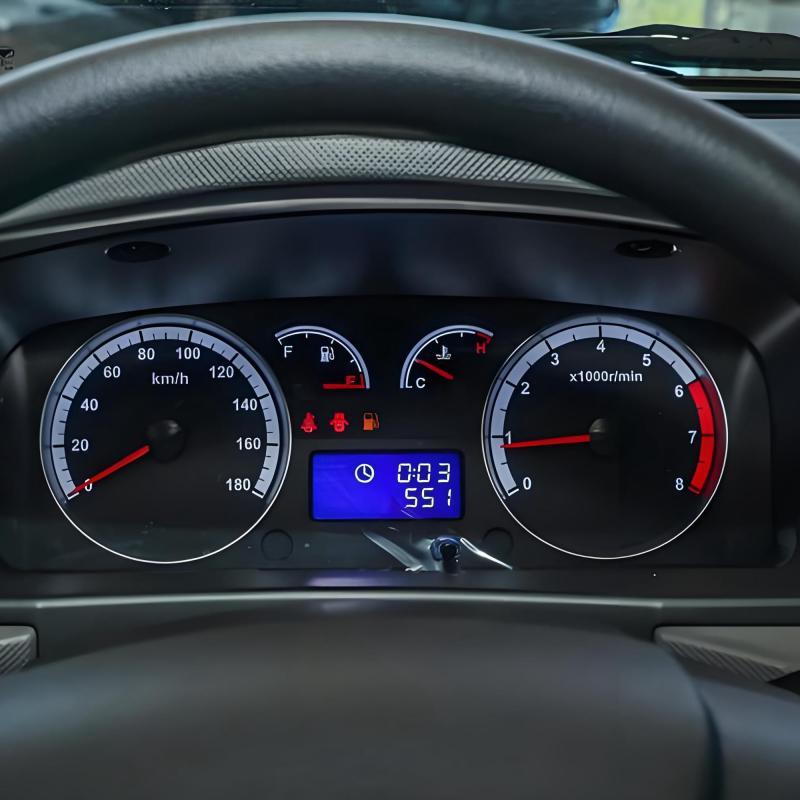
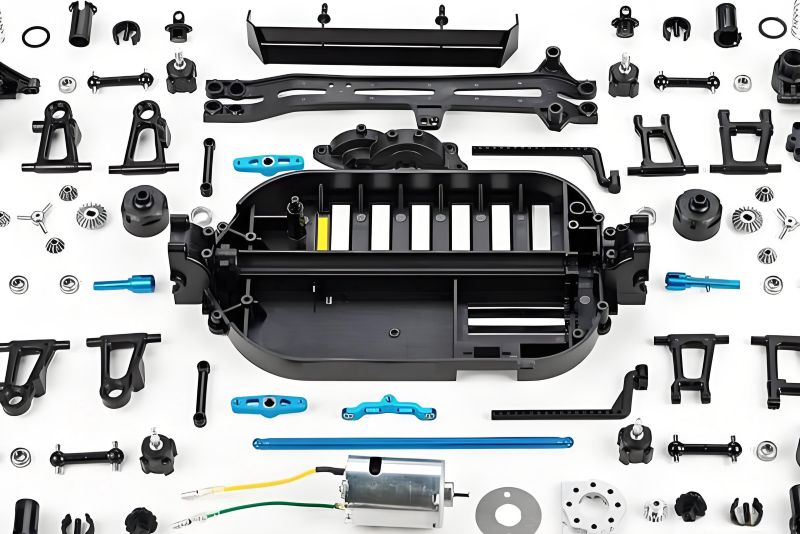
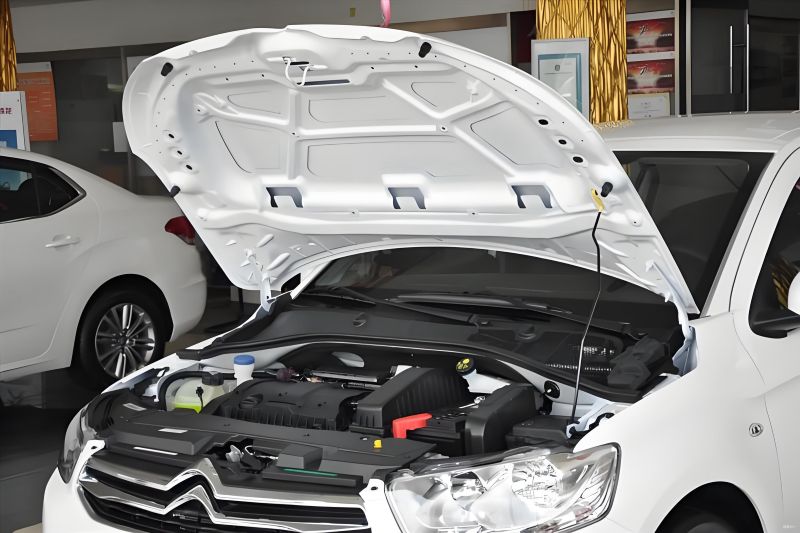
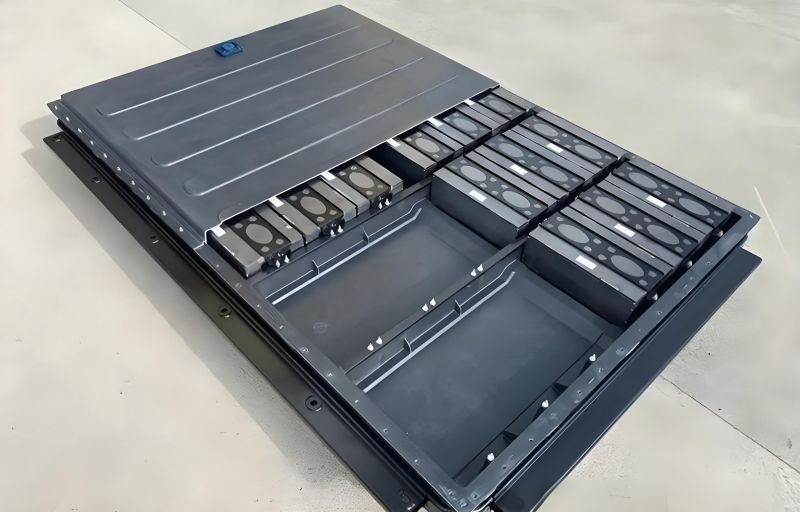
Prototyping and fit-testing are crucial to ensure seamless integration of these diverse components into vehicle assemblies.
Benefits of Automotive Injection Molding
The advantages of this process directly contribute to vehicle performance and sustainability:
- ● Lightweighting: Replacing metals with plastics reduces component weight significantly. A 10% vehicle weight reduction can improve fuel economy by 6-8%. Plastic bumpers, for instance, are 20-30% lighter than steel equivalents.
- ● Noise, Vibration, and Harshness (NVH) Reduction: Soft-touch materials like TPE absorb vibrations, creating a quieter cabin experience.
- ● Design Flexibility: Complex geometries (e.g., integrated clips, curved surfaces) are easily achievable.
- ● Cost-Effectiveness: High-volume production leads to low per-part costs, especially with durable steel molds.
- ● Production Speed: Fast cycle times (as low as 10 seconds) enable rapid output.
For EVs, these benefits are paramount, directly extending battery range and improving overall efficiency.
5. Challenges and Best Practices in Automotive Injection Molding
Despite its advantages, automotive injection molding presents challenges requiring expert management to ensure quality and efficiency.
Common Challenges & Defects:
High-volume production, stringent tolerances, and material variability can lead to defects if not controlled. Common issues include:
| Defect | Common Cause | Solution | Micro-Example |
|---|---|---|---|
| Sink Marks | Uneven cooling in thick sections | Reduce wall thickness; increase holding pressure | On thick mounting bosses for dashboard brackets |
| Warping | Differential shrinkage | Optimize cooling; use uniform walls | Large exterior panels like door trims |
| Flash | Excessive pressure or worn mold | Adjust clamp force; maintain mold seals | Around parting lines on engine covers |
| Voids | Trapped air | Improve venting; adjust injection speed | In complex parts like air intake manifolds |
| Burn Marks | Overheating or shear stress | Lower melt temperature; increase gate size | On nylon connectors near exhaust systems |
Best Practices for Efficiency and Quality:
- ● Simulation-Driven Design: Utilize mold flow analysis (e.g., Moldflow) early to predict and prevent filling issues, cooling inefficiencies, and defects.
- ● Process Automation: Implement robotics for part handling and inspection to reduce cycle times and human error.
- ● Preventive Maintenance: Regularly clean and maintain molds and machinery to prevent unforeseen downtime.
- ● Advanced Materials: Utilize high-performance materials like SABIC's STAMAX PP for large, structural panels requiring stiffness and impact resistance.
- ● Real-Time Monitoring: Integrate IoT sensors to monitor machine parameters (pressure, temperature) in real-time, allowing for proactive adjustments. This practice helped reduce downtime by 15% in our facility by predicting screw wear.
Sustainability Best Practices:
Incorporating sustainability involves using recycled materials and reducing energy consumption. However, using >30% recycled PP can lead to inconsistent melt flow. Our approach is to collaborate closely with material suppliers to specify controlled regrind blends and adjust process parameters (e.g., holding pressure) to compensate, ensuring quality in parts like interior trim. Energy-efficient machines and closed-loop cooling systems further reduce the environmental footprint.
6. FAQs: Automotive Injection Molding
How do I choose a reliable automotive injection molding manufacturer?
Look for a partner with:
- ● Proven experience producing automotive components (bumpers, dashboards, etc.).
- ● Modern equipment with appropriate clamping force (50-2000 tons).
- ● IATF 16949 certification (automotive quality standard) and ISO 14001 (environmental management).
- ● Transparency, rapid prototyping capabilities, and scalability for high-volume needs.
Request samples and case studies to verify their expertise and quality.
What is the typical cost for prototyping a custom automotive part?
Costs vary based on complexity, size, and material. Estimates for a single prototype mold:
- ● Simple bracket: $1,000 - $3,000
- ● Complex dashboard: $5,000 - $10,000+
Aluminum molds are common for prototypes. Consider 3D-printed molds for initial design validation to reduce costs. Always obtain multiple quotes.
Beyond PP and ABS, what advanced materials are used?
- ● Nylon (PA6, PA66): Heat resistance (~150°C) for engine components.
- ● PEEK: Extreme thermal stability (up to 250°C).
- ● Polycarbonate (PC): Clarity and impact resistance for lenses.
- ● Reinforced Composites: Carbon-fiber or glass-fiber materials for lightweight structural parts in EVs.
- ● Bio-Based Plastics: Sustainable alternatives for various applications.
Can injection molding be used for both interior and exterior parts?
Yes. The process is versatile. Interiors often use ABS/PP for aesthetics and feel. Exteriors require materials like UV-stabilized PP or PC for weatherability and impact resistance. Both require rigorous testing---interiors for wear, exteriors for UV and crash performance.
What are the key certifications for a supplier?
Prioritize IATF 16949 (automotive quality), ISO 9001 (quality management), and ISO 14001 (environmental management). These ensure adherence to industry standards for quality and sustainability.
What's the difference between thermoplastics and thermosets?
- ● Thermoplastics (e.g., PP, ABS, Nylon) can be remelted and reshaped. They are recyclable and ideal for most automotive parts.
- ● Thermosets (e.g., epoxy) undergo a chemical cure, creating a rigid, heat-resistant structure that cannot be remelted. They are used for specialized under-hood or electrical applications.
How does injection molding compare to compression molding?
- ● Injection Molding: Ideal for complex, high-volume parts with fine details. Faster cycles (seconds). Lower per-part cost at scale.
- ● Compression Molding: Better for large, relatively simple parts with uniform thickness (e.g., body panels). Slower cycles (minutes). Often used for thermosets or fiber-reinforced composites.
Choose injection molding for precision and efficiency in mass production.
7. Your Roadmap to Success in Automotive Injection Molding
This guide has detailed the core aspects of automotive injection molding:
- ● Process & Efficiency: Understanding and optimizing the injection molding cycle is fundamental to cost-effective production.
- ● Design for Manufacturability: Adhering to principles like uniform wall thickness, draft angles, and radii is crucial for part quality and manufacturability.
- ● Material Selection: Choosing the right material---from commodity PP to advanced PEEK---based on a structured framework ensures performance and compliance.
- ● Applications & Benefits: The process enables lightweight, complex parts across the vehicle, contributing significantly to fuel efficiency, NVH reduction, and design freedom.
- ● Overcoming Challenges: Implementing best practices---simulation, automation, real-time monitoring, and sustainable processes---mitigates common defects and ensures high-quality output.
The Critical Role of Your Manufacturing Partner
Success in automotive injection molding hinges on partnering with a manufacturer possessing deep expertise, advanced technology, and a commitment to quality and sustainability. The right partner translates design intent into production-ready reality, navigating complexities to deliver parts that meet stringent automotive standards reliably and efficiently.
The Dizo Global Approach
At Dizo Global, our methodology is built on experience and capability. Our team leverages:
- ● Advanced Engineering: We utilize state-of-the-art injection molding machinery with real-time monitoring and sophisticated CAD & simulation software (including Moldflow) to preemptively solve design and process challenges, reducing development time and risk.
- ● End-to-End Service: We support projects from rapid prototyping (using in-house 3D printing and aluminum molds) to high-volume production with durable steel tooling, including DFM analysis and rigorous validation testing.
- ● Proven Results: For example, we assisted an EV startup in achieving a 22% weight reduction on their battery enclosure through gas-assisted molding, directly increasing vehicle range.
- ● Commitment to Standards: Our IATF 16949 certification underpins our systematic quality management, while ISO 14001 reflects our dedication to sustainable manufacturing practices, including the effective integration of recycled materials.
We focus on collaborative partnerships, transparent communication, and delivering measurable results that meet the evolving needs of the automotive industry towards electrification and sustainability.
Let's Build Together
As automotive innovation accelerates, injection molding remains a cornerstone technology. Partner with experts who can bring your concepts to life with precision and efficiency. Contact Dizo Global today to discuss your automotive injection molding projects and explore tailored solutions designed for success.